The Raw Deal: F1’s War on Carbon Fiber and the Battle for the Soul of Racing

Alright, let’s cut the corporate-speak and get right down to the grease and grit of it. Formula 1, in its infinite wisdom, has decided the race cars just isn’t pretty enough. While engineers are bleeding knuckles and losing sleep trying to shave off every last gram to get an edge, the folks in the big offices are worried about color palettes.
They’re cracking down on the raw, beautiful look of bare carbon fiber, and frankly, it feels like they’re missing the whole dang point of racing. For years, the black weave of carbon fiber has been more than just a material; it’s a statement.
It screams speed, efficiency, and a no-nonsense attitude. When you see that raw carbon, you know a team is pushing the limits. They’re saying, “We care more about going’ fast than looking’ pretty for the cameras.
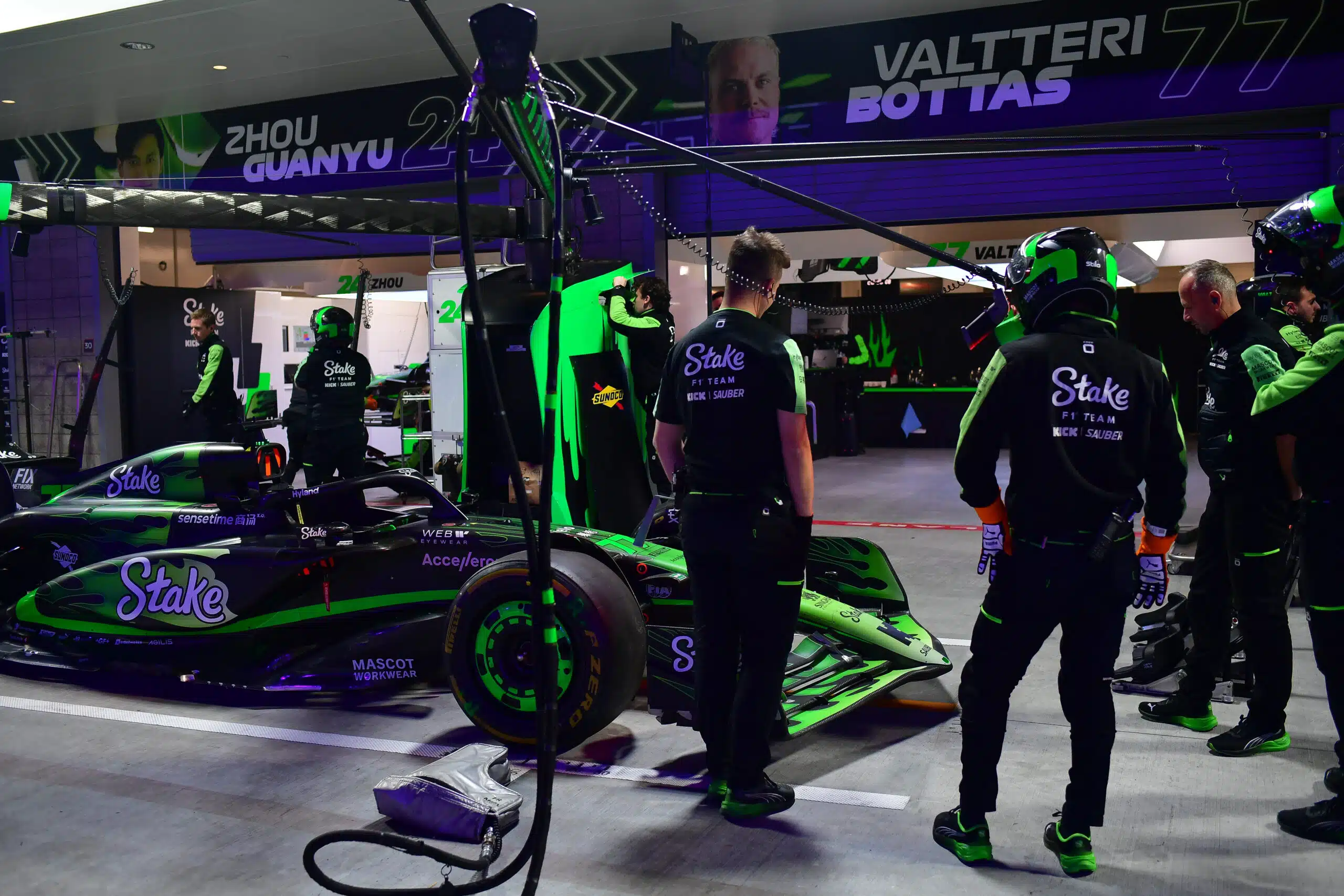
“It’s the gearhead’s equivalent of rollin’ up your sleeves and gettin’ to work. Every exposed fiber tells a story of late nights at the shop, of a relentless chase for that extra thousandth of a second. It’s honest. It’s raw. It’s what racing is all about.But now, starting in 2026, the FIA is mandating that at least 55% of the car’s surface has to be covered in paint or decals.
Why? “To increase visual differentiation between cars.” You gotta be kidding me. If you can’t tell the difference between a Ferrari and a Mercedes at 200 mph, maybe you need better glasses, not more paint on the cars. This ain’t a beauty pageant; it’s the pinnacle of motorsport.
What’s the Big Deal with Carbon Fiber, Anyway?
For those of you who might be new to this, let’s talk about what makes carbon fiber the holy grail of go-fast parts. This stuff isn’t just for show. It’s a composite material that’s ridiculously strong and unbelievably lightweight. Think about it: it’s about five times stronger than steel but weighs a whole lot less.
In a sport where every single ounce matters, that’s like finding a pot of gold at the end of a rainbow. Teams strip paint off their cars for one reason and one reason only: weight savings. A full paint job can add several kilograms to a car. That might not sound like much, but in F1, that’s a lifetime. Shedding that weight means better acceleration, nimbler handling, and faster lap times.
Leaving the carbon fiber exposed isn’t a trend; it’s a strategic necessity born from the pure, unadulterated need for speed. It’s the logical conclusion of decades of performance engineering. It’s the rulebook pushed to its absolute breaking point, and that’s where the real excitement in racing lives.
Is This Rule Change Really About the Fans?
The suits will tell you this is for the fans, to make the sport more appealing. But what true race fan wants a slower, heavier car just so it looks nicer on a poster? We come for the competition, the engineering marvels, and the human drama of drivers pushing themselves to the edge. We don’t need a fresh coat of paint to appreciate the raw power of these machines.
This feels like a solution searching for a problem. Instead of messing with liveries, how about we focus on rules that actually improve the on-track action? They’re talking about mandatory two-stop races, which could shake things up, but then they table the discussion. It’s a classic case of majoring in the minors.
They’re fiddling with the car’s paint job while the engine of the sport needs a real tune-up. For the teams, this is just another headache. They’re already grappling with the most complex regulations in motorsport history, and now they’ve got to break out the paint scales and measuring tapes. It’s another layer of bureaucracy in a sport that’s already choking on it.
Final Thoughts
To outsiders this whole thing is indicative of putting marketing before motorsport. They’re trying to package the sport for a casual audience, but in doing so, they’re chipping away at its core identity. The raw, exposed carbon fiber is a symbol of that identity a tribute to the engineers.
And let’s not forget the mechanics who pour their souls into making these cars the fastest on the planet. Covering it up feels like a disservice to their craft. It’s putting a pretty wrapper on a precision-engineered weapon. We don’t need the wrapper; we just want to see the weapon in all its glory.