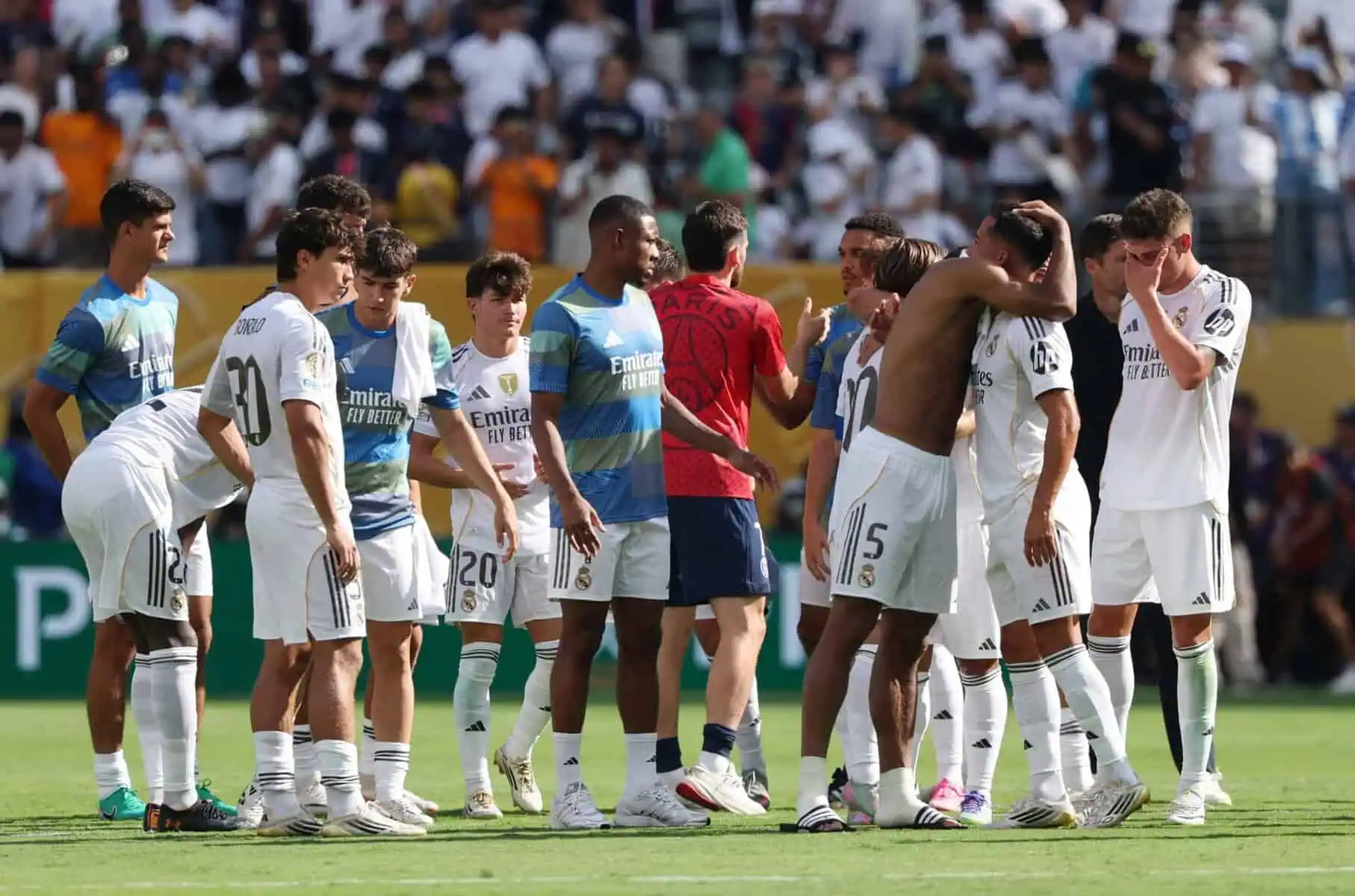
Real Madrid Stars Unhappy With Xabi Alonso’s Strict Rules After Ibiza Freedom

For years under Carlo Ancelotti at Real Madrid, the club’s off-field culture retained a remarkable degree of freedom. According to reporter Romain Molina, players were known to travel to Ibiza after matches instead of the usual return-to-Madrid routine.
On certain occasions, training attendance was patchy, with some of the squad doing “what they wanted”.
It was a culture built on trust and flexibility. Ancelotti managed a squad of big personalities by allowing some leniency off the pitch so long as performance on it remained high.
That arrangement permitted unexplored latitude: post-match celebrations, extended rest, and fewer publicised disciplinary issues. Whether such leniency was entirely benign is another matter, yet it became part of the perception of Real’s inner workings.
Enter Xabi Alonso And A New Set Of Demands
When Xabi Alonso took over in June 2025 as Real Madrid’s head coach, the shift was stark. His appointment had been hailed as the future of Madrid’s evolving project.
However, the cultural reset came with an uncompromising tone: training routines tightened, post-match freedoms curtailed, and oversight of players’ lives extended beyond on-field matters. A recent exposé explains the transition was not smooth.
Players accustomed to the Ancelotti era’s latitude now found themselves under a regime that viewed absence and off-field indulgence as liability rather than benign background noise. The report suggests some squad members perceived Alonso’s approach as “meddling in their affairs”.
The tension is understandable. A group that is rumoured to have included Vinicius Jr, Kylian Mbappe and Jude Bellingham, had enjoyed off-site celebrations and less structured downtime suddenly faces ground-rules they did not author.
The question becomes, is it a necessary hygiene reset for elite performance, or a mismanaged cultural clash?
Where The Friction Is Felt And Why It Matters
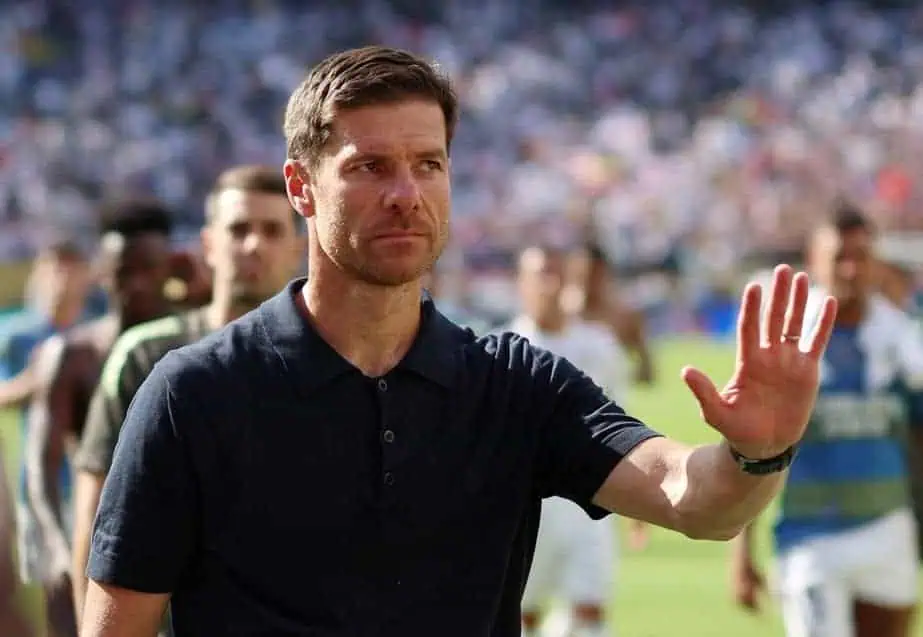
The friction isn’t simply about nights out or training punctuality. It runs deeper, into trust, identity, and power dynamics. In locker rooms full of global stars at Real Madrid, respect flows two ways: coach to player and player to coach. When the rhythm of respect shifts, things feel off.
Observations suggest that certain players, particularly those who thrived under previous indulgences, feel their voice and lifestyle are being constrained. Some of their entourage reportedly share the sentiment: that Alonso is stepping beyond the technical remit and into personal territory.
From a performance perspective the stakes are high. Real Madrid sit in a critical period: La Liga challengers, Champions League contenders, and a transition phase off the pitch as the coach establishes authority. Distraction or division now could impede cohesion.
On the flip side, stricter control can yield sharper training, stronger unity and higher standards. The question is whether the squad will embrace the new standard — or resist it.
Can Alonso Reset Culture Without Breaking The Group?
Changing culture at a club like Real Madrid is a delicate art. Alonso’s challenge lies in enforcing discipline while preserving the positive aspects of what preceded him: creativity, confidence and unity.
Locking down post-match routines may send a message of seriousness, but could also breed resentment if players feel infantilised or unheard.
For Alonso to succeed he needs buy-in. That means transparent communication: explaining that nights out are not banned, but managed; absence from training won’t be tolerated because the margin at the top is thin.
He must secure respect without shutting down autonomy entirely. Real Madrid players are mature professionals — they respond better when part of the system rather than subjects of it.
He also needs allies, senior players who believe in the reset, who front the change and embody it. Without that internal leadership, the divide might widen: those who align, those who bristle—and performance may suffer.
Finally, the results need to match the rhetoric. If training intensity spikes but match outcomes suffer, the new culture will lose credibility fast. A coach demanding higher standards must deliver higher performance.