Arsenal’s Emirates Stadium Expansion: Why Playing at Wembley Might Be a Nightmare in Disguise

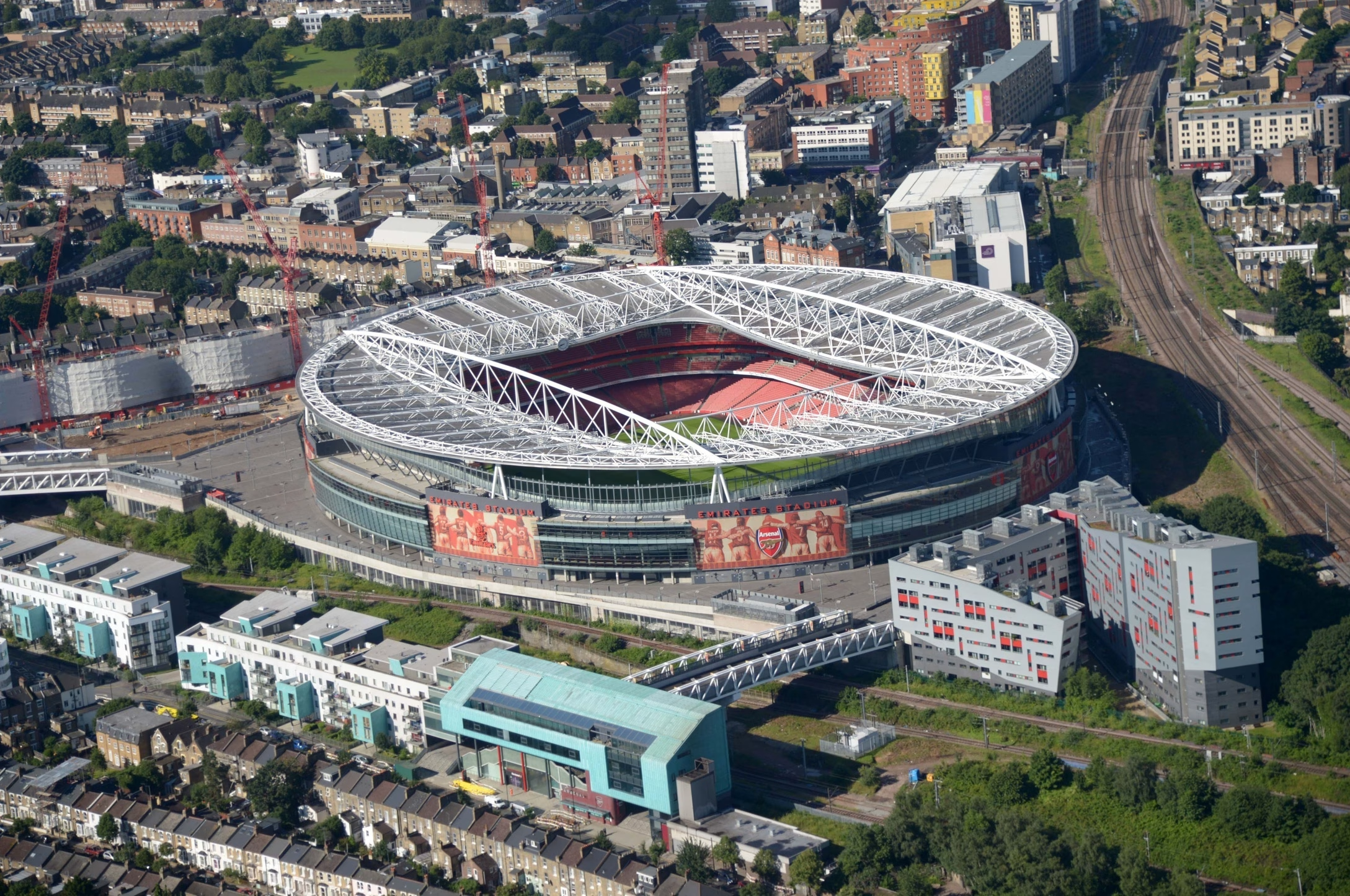
So, Arsenal are thinking about expanding the Emirates Stadium. Shocking, right? Just when you thought the Gunners had settled into their fancy north London home, they’re already eyeing up renovations like that friend who can’t stop redecorating their apartment. But here’s the kicker – this grand plan might involve temporarily moving to Wembley Stadium, and honestly, that’s where things get messy.
Let’s be real here. Arsenal’s Emirates Stadium expansion talks aren’t exactly breaking news anymore. These discussions have been floating around the club’s boardroom like a persistent rumor, and now it’s official – they’re seriously considering adding thousands more seats to keep up with the big boys. Because apparently, having the fifth-largest stadium in English football just isn’t cutting it anymore.
Arsenal’s Stadium Size Complex
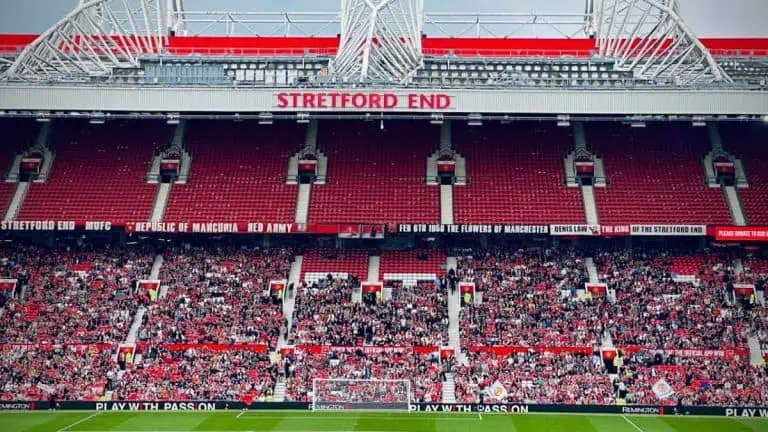
With a current capacity of 60,704, the Emirates sits comfortably in fifth place among English football clubs. Manchester United‘s Old Trafford leads the pack with 74,879 seats, followed by Tottenham’s shiny new stadium at 62,850, West Ham‘s London Stadium at 62,500, and Liverpool’s Anfield at 61,276.
Now, I get it. Arsenal want to keep pace with their rivals, especially when their neighbors down the road at Spurs are sitting pretty with a larger capacity and – let’s face it – a much newer stadium that actually has working facilities. The Emirates, while still impressive, is approaching its 20-year mark since the Gunners made that emotional move from Highbury in 2006.
But here’s where the plot thickens, and not in a good way.
The Wembley Problem Nobody’s Talking About

Arsenal’s grand expansion plans come with a rather uncomfortable catch – they’d have to play their home games elsewhere during construction. Enter Wembley Stadium, the 90,000-capacity national stadium that’s become London’s go-to temporary home for displaced football clubs.
Sure, Wembley worked out fine for Arsenal back in the late ’90s when they played Champions League matches there. Tottenham also managed to survive their Wembley exile from 2017 to 2019 while their new stadium was being built. But let’s not kid ourselves – playing at Wembley isn’t the romantic adventure some might make it out to be.
Why Arsenal Fans Should Be Worried
First off, let’s talk about the elephant in the room – location. Wembley might only be about 10 miles from the Emirates, but anyone who’s tried to navigate London traffic knows that 10 miles might as well be 100 when you’re dealing with match day chaos. Arsenal fans, who’ve grown accustomed to their Emirates routines, would suddenly find themselves trekking across London for every home game.
Then there’s the atmosphere issue. Wembley, for all its grandeur, has the personality of a corporate conference center when it’s not hosting major finals or England matches. The Emirates might not have the intimacy of old Highbury, but at least it feels like Arsenal’s home. Wembley? That’s just a massive bowl where you happen to be watching Arsenal play.
The Financial Reality Check
Let’s not forget the financial implications here. Arsenal moving to Wembley during renovations would be expensive – really expensive. The club would need to pay rent to the FA, deal with increased operational costs, and potentially face reduced ticket sales if fans decide the journey isn’t worth it.
And speaking of fans, season ticket holders would be the real victims here. Imagine paying Emirates prices for a Wembley experience that lacks any real connection to Arsenal’s identity. It’s like ordering your favorite meal and getting it served in a completely different restaurant – same food, wrong atmosphere.
The Spurs Comparison That Arsenal Won’t Want to Hear
Tottenham’s Wembley stint provides an interesting case study, though Arsenal fans probably won’t appreciate the comparison. Spurs managed to maintain their performance levels during their temporary exile, even reaching a Champions League final while calling Wembley home. But here’s the thing – Tottenham fans knew they had something special waiting for them at the end of the tunnel.
Arsenal’s situation is different. They’re not building a brand-new stadium; they’re expanding an existing one. The payoff might not feel as significant, especially when weighed against the inconvenience and disruption.
What This Really Means for Arsenal
The truth is, Arsenal’s Emirates expansion plans highlight a broader issue with modern football – the never-ending pursuit of more revenue streams. Larger capacity means more ticket sales, more corporate hospitality opportunities, and ultimately, more money to compete with the financial powerhouses of the Premier League.
But at what cost? Arsenal have already been through one major stadium transition in recent memory, moving from the beloved Highbury to the Emirates in 2006. That move was necessary and ultimately successful, but it came with its own challenges and a period of adjustment for both the club and its supporters.
The Bottom Line
Arsenal’s Emirates Stadium expansion might make financial sense, and it might help the club compete with their rivals in terms of matchday revenue. But the potential temporary move to Wembley represents a significant gamble that could backfire spectacularly.
The club needs to ask itself whether the long-term benefits of a larger Emirates Stadium outweigh the short-term pain of displacing their fanbase and disrupting the rhythm they’ve built over nearly two decades at their current home.
Because let’s be honest – there’s nothing quite like watching Arsenal disappoint you in the comfort of their own stadium. At Wembley, even the disappointment would feel artificial.