Green Bay Packers Clear Winners In Past Big Trades According To Analyst

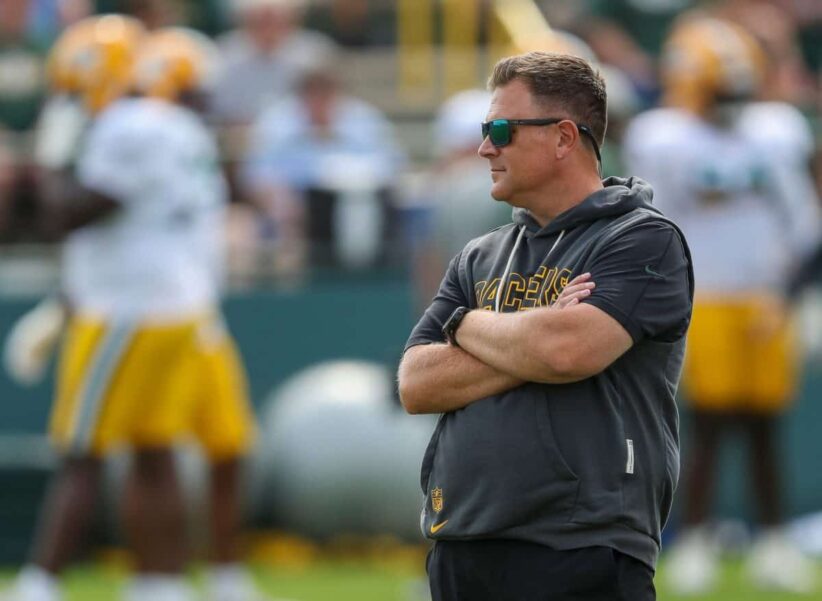
In the high-stakes world of NFL team-building, executing a successful trade is an art form. It requires foresight, shrewd negotiation, and a deep understanding of player value versus team needs. The Green Bay Packers’ front office, led by general manager Brian Gutekunst, has recently demonstrated a masterclass in this art, turning franchise-altering moves into significant victories. By trading away superstar players at the right time, Green Bay has managed to stay competitive while simultaneously reloading for the future.
This article examines the recent history of Green Bay Packers trade wins, focusing on the deals that sent Davante Adams and Aaron Rodgers away. We will also analyze the team’s latest blockbuster acquisition, Micah Parsons, and explore why it already appears to be another strategic triumph for the franchise.
The Davante Adams Trade: A Clear Win for the Green Bay Packers
In March 2022, the Packers made a move that shocked the NFL world: they traded All-Pro wide receiver Davante Adams to the Las Vegas Raiders for first- and second-round picks in the upcoming draft. At the time, Adams was arguably the best receiver in football and fresh off a season where he was the primary weapon for then-reigning MVP Aaron Rodgers. For many observers, trading a player of his caliber seemed like a step backward.
Packers Received:
- 2022 first-round pick (used on LB Quay Walker)
- 2022 second-round pick (part of the capital to trade up for WR Christian Watson)
Raiders Received:
- WR Davante Adams
From the Raiders’ perspective, the trade was a bold, all-in move to reunite Adams with his college quarterback, Derek Carr, and make a Super Bowl push. They immediately signed Adams to a massive contract extension. However, the plan unraveled quickly. The Raiders struggled in 2022, and Carr was benched and later released after just one season with Adams. The team’s new regime eventually traded Adams to the Jets after just over two seasons, receiving only a third-round pick in return. The move was a costly, short-sighted gamble that failed to pay off.
For the Packers, the trade has been a resounding success. They astutely recognized the peak value of a 30-year-old receiver and chose not to commit to a market-setting contract. Instead, they used the draft capital to inject young, cost-controlled talent into their roster. Linebacker Quay Walker has developed into an above-average starter, and the money saved by not paying Adams was reallocated to strengthen other areas of the team. While finding a direct replacement for Adams has been a process, the trade allowed Green Bay to build a deeper, more balanced roster without being tied to an aging superstar on a declining team. In hindsight, it was a textbook example of selling high.
The Aaron Rodgers Trade: Addition by Subtraction
A year later, the Packers parted ways with another franchise icon. In April 2023, Green Bay traded future Hall of Fame quarterback Aaron Rodgers to the New York Jets. After a contentious couple of offseasons and a dip in Rodgers’ on-field performance, the Packers decided it was time to move on and hand the reins to Jordan Love.
Packers Received:
- 2023 first-round pick (used on DL Lukas Van Ness)
- 2023 second-round pick (used on TE Luke Musgrave)
- 2023 sixth-round pick
- 2024 second-round pick (became LB Edgerrin Cooper)
Jets Received:
- QB Aaron Rodgers
- 2023 first-round pick
- 2023 fifth-round pick
The Jets, believing they were a quarterback away from contention, went all-in on the 40-year-old Rodgers. The dream turned into a nightmare just four snaps into his Jets career when he tore his Achilles tendon, ending his season. Even with his return, the Jets failed to achieve the success they envisioned and moved on from Rodgers after two disappointing seasons.
For Green Bay, this trade was a masterstroke of addition by subtraction. The move not only cleared significant cap space but also allowed the organization to fully commit to Jordan Love, who has since emerged as a legitimate franchise quarterback. The draft picks acquired have been instrumental in building one of the league’s top young defenses. Lukas Van Ness has shown immense potential, Luke Musgrave is a solid offensive contributor, and Edgerrin Cooper has quickly become a superstar linebacker. By trading Rodgers, the Packers upgraded at quarterback, got younger, freed up finances, and stocked their roster with foundational defensive talent. It was a clear and decisive win.
The Micah Parsons Trade: Another Masterpiece in the Making
Building on their recent success, the Packers made another stunning move just before the 2025 season, acquiring disgruntled superstar pass rusher Micah Parsons from the Dallas Cowboys. Parsons, arguably the best defensive player in the NFL, was dealt to Green Bay following a messy and public contract dispute with Cowboys owner Jerry Jones.
While the full return for Dallas is still taking shape, the immediate impact for Green Bay is undeniable. The Packers promptly signed Parsons to a four-year, $188 million contract, making him the highest-paid non-quarterback in NFL history. This move not only brought a generational talent to Green Bay but did so without gutting the team’s future draft capital, a hallmark of Gutekunst’s trading strategy.
This trade already looks like a massive win for the Packers for several reasons:
- Acquiring a Generational Talent in His Prime: Unlike the Adams and Rodgers trades, where Green Bay was selling aging assets, this move brought a 26-year-old defensive force to the team at the peak of his powers.
- Addressing a Premier Need: While the Packers’ defense was young and talented, it lacked a truly dominant, game-wrecking edge rusher. Parsons fills that void immediately, elevating the entire defensive unit.
- Financial Prudence: The Packers had the cap space to absorb Parsons’ historic contract precisely because they had moved on from the massive deals of players like Adams and Rodgers. This trade is the final, brilliant payoff from those earlier moves.
The early returns are already positive. Parsons has made an immediate impact on the field, and his presence has a ripple effect, creating more opportunities for players like Lukas Van Ness and Rashan Gary. By acquiring a player of Parsons’ caliber, the Packers have solidified their status as a Super Bowl contender for years to come.
Conclusion
The Green Bay Packers’ recent trade history is a testament to savvy, forward-thinking front-office management. By making the difficult but correct decisions to trade away aging legends like Davante Adams and Aaron Rodgers, the team acquired the financial flexibility and draft assets needed to build a new, younger core. The acquisition of Micah Parsons represents the culmination of this strategy—using the resources gained from past wins to secure a foundational superstar for the future.
While trading beloved players is never easy, the Packers have proven that with the right strategy, it can be the fastest path to sustained success. The Green Bay Packers trade wins are not just a matter of luck; they are the result of a clear, disciplined, and brilliantly executed plan.