Chip Bowers Takes the Wheel: RFK Racing’s Bold New Leadership Choice

The news hit the NASCAR garage like a perfectly timed pit stop. When RFK Racing announced that Chip Bowers would become their new team president, it wasn’t just another corporate shuffle but a clear signal that this organization is dead serious about competing at the highest level.
For those who know Bowers’ track record, this hire makes perfect sense. The man didn’t just stumble into sports leadership; he earned his stripes in some of the most demanding environments professional sports has to offer. His six years as chief marketing officer for the Golden State Warriors weren’t just about selling tickets.
They were about building a championship culture that delivered three NBA titles and earned the team “Sports Team of the Year” honors twice. That kind of success doesn’t happen by accident. It takes someone who understands that winning organizations need more than talented athletes. They also need systems, partnerships, and a vision that extends beyond next Sunday’s race.
From Major League Baseball to Stock Car Racing
Bowers’ journey to NASCAR reads like a masterclass in sports business leadership. After his Warriors tenure, he served as president of business operations for the Miami Marlins from 2018-19, then moved on to lead Elevate Sports Ventures, a global sports and entertainment agency.
Each step built on the last, creating a resume that screams “championship-caliber executive.””I’m honored and thrilled to be joining one of NASCAR’s premier racing teams,” Bowers said in his first official statement. “As both a fan of the sport and a North Carolina native, this is truly a full-circle moment for me in my career.”
That North Carolina connection matters more than outsiders might realize. NASCAR isn’t just a sport; it’s a culture, and understanding that culture is crucial for anyone hoping to lead a team successfully. Bowers gets it because he lived it growing up in the region where stock car racing runs in people’s blood.
Replacing a NASCAR Veteran
Stepping into Steve Newmark’s shoes won’t be easy. Newmark spent 15 years as team president, guiding the organization through significant changes, including the transition from Roush Fenway Racing to the current RFK Racing structure, which occurred when Brad Keselowski joined as an owner-driver in 2022. That’s the kind of institutional knowledge that takes years to build.
But sometimes fresh eyes see opportunities that experienced ones might miss. Bowers brings perspectives from sports organizations that have mastered fan engagement, corporate partnerships, and revenue generation in ways that NASCAR teams are still learning to implement.
His experience with the Warriors during their championship run is particularly relevant. Building a winning culture while simultaneously growing the business side isn’t just about having good drivers. It’s about creating an environment where everyone from the pit crew to the marketing department believes they’re part of something special.
The Challenge Ahead: Scaling for Growth
RFK Racing made it clear that Bowers’ primary mission is “scaling the business for sustained growth” while strengthening corporate partnerships and innovation. Those aren’t just corporate buzzwords; they’re the foundation of what separates championship organizations from also-rans.
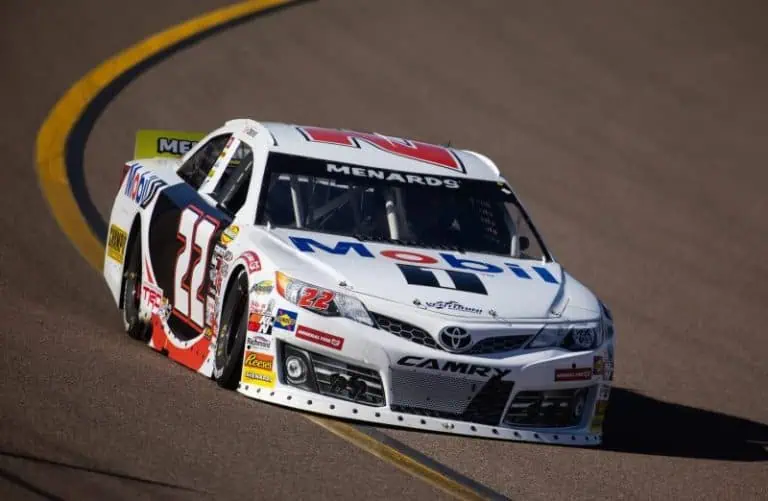
Currently fielding three Cup Series cars for Chris Buescher, Ryan Preece, and Keselowski, RFK Racing has shown flashes of brilliance but needs consistency. That’s where Bowers’ background becomes invaluable. He’s worked in environments where every detail matters, where small improvements in organization and execution add up to championship-level performance.
“Chip brings a fresh perspective that we’re really excited about,” Keselowski explained. “He has proven he can grow organizations and think creatively in some of the most competitive sports markets, and that experience will help us find new ways to strengthen our team.”
That creativity factor can’t be overstated. NASCAR is evolving rapidly, with new partnerships, changing demographics, and technological advances reshaping how teams operate. Having someone who’s navigated similar changes in other major sports could give RFK Racing advantages that their competitors don’t see coming.
Building Championship Infrastructure
What made the Warriors successful during Bowers’ tenure wasn’t just having great players. It was creating systems that maximized every aspect of the organization. From fan experience to corporate partnerships to player development, everything worked together toward a common goal.
RFK Racing needs that same integrated approach. Having fast cars is only part of the equation. Success requires strong relationships with sponsors, efficient operations, and a culture that attracts top talent throughout the organization.
Bowers’ experience with the NBA’s Orlando Magic, the former Seattle Supersonics, the WNBA’s Seattle Storm, and MLB’s San Diego Padres shows he understands how different sports environments require different approaches. NASCAR’s unique challenges—from technical regulations to weekend race schedules will test his ability to adapt.
The Corporate Partnership Factor
One area where Bowers’ background could pay immediate dividends is corporate partnerships. His Warriors experience coincided with the team becoming one of the most marketable franchises in professional sports. That didn’t happen just because they were winning; it happened because they understood how to create value for partners beyond simple logo placement.NASCAR teams are still learning how to maximize these relationships.
Too often, partnerships feel like traditional sponsorship arrangements rather than true business collaborations. Bowers has experience building partnerships that create mutual value, which could transform how RFK Racing approaches these crucial relationships.The modern NASCAR landscape demands more sophisticated business operations. Teams that think creatively about revenue generation, fan engagement, and partner value creation will have a competitive advantage that is reflected in their racing performance.
What This Means for RFK Racing’s Future
Hiring Bowers signals that RFK Racing isn’t content with its current position. They’re not just looking to field competitive cars; they’re building an organization capable of sustained championship-level performance. That ambition extends beyond individual race wins. It’s about creating a foundation that can adapt to NASCAR’s changing landscape while maintaining competitiveness across multiple seasons.
Bowers’ track record suggests he understands the difference between short-term success and long-term excellence.The real test will be how quickly he can implement changes that improve performance without disrupting the team chemistry that’s already working. Organizations undergoing leadership transitions often struggle with maintaining continuity while pursuing improvement.
Final Thoughts
For fans of Chris Buescher, Ryan Preece, and Brad Keselowski, this hire represents hope that their drivers will have every possible advantage in their pursuit of race wins and championships. But more than that, it suggests RFK Racing is committed to building something that will compete at the highest level for years to come.
The NASCAR garage is watching this transition carefully. If Bowers can successfully apply his championship experience to stock car racing’s unique environment, it could change how other teams think about business leadership in motorsports.