Philadelphia Eagles’ ‘Tush Push’ Sparks New Controversy After Kansas City Chiefs Clash

The Philadelphia Eagles’ infamous “tush push” has center stage once more in the NFL’s latest debacle regarding what is and isn’t allowed on the field. Sunday’s Week 2 Super Bowl LIX rematch between the Eagles and Kansas City Chiefs saw the plays’ results repeat themselves time and time again, with Philadelphia using it to extend drives and even push its way into the end zone for a touchdown. But while it led to a victory for the Eagles, it also reignited shouts throughout the league to outlaw the play, as officials appeared to be missing false starts on the play.
The History Of the Tush Push Controversy
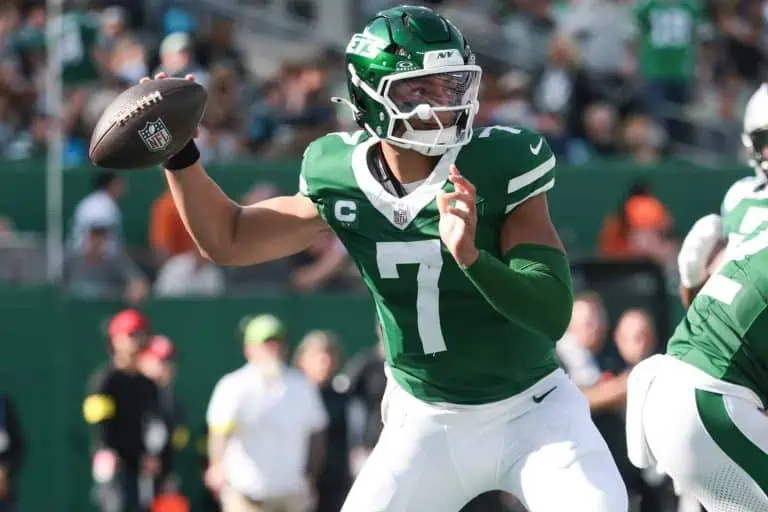
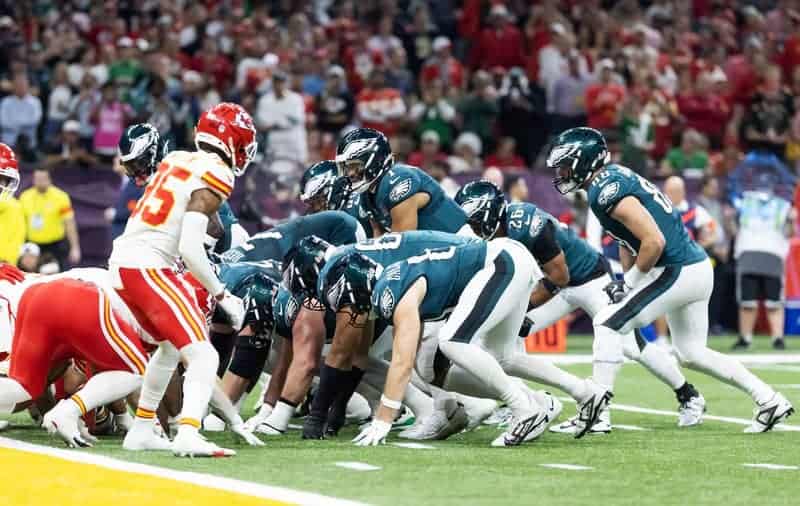
The “tush push,” or “Brotherly Shove,” has been one of the most contentious plays in football over the last two seasons. Popularized by the Eagles’ success with Quarterback Jalen Hurts in short yardage, the play is actually an imitation rugby scrum, with teammates pushing Hurts from behind to thrust him for first downs or goal-line touchdowns. Its efficacy cannot be argued with, but everyone agrees that it’s against the spirit of football regulations and actually a rugby tactic in disguise as a traditional play.
NFL owners worked during the offseason to outlaw the play, including a proposal in March that would have taken out the pushing aspect entirely. The proposal did not receive the 24 votes it needed to pass. Ten teams voted to strike it down, and the Eagles are free to use the play in 2025. The controversy has continued, with players and pundits wondering if the NFL was wrong to let it live.
Chiefs Game Again Defined By the Tush Push
Sunday, in the Eagles’ 20-17 victory over the Chiefs, the “tush push” play was utilized once more. The Philadelphia Eagles used the play seven times, for nearly 12% of their offense. One was in the fourth quarter, when Hurts bull-rushed across the goal line for a touchdown that put the Eagles ahead, 20-10. Another clinched the game with a late-fourth-quarter short-yardage conversion that helped set up a kneel-down finish.
The controversy blew up because Chiefs defenders and even television analysts witnessed what looked like false starts by Eagles linemen before the snap. Defensive standouts like Chris Jones and George Karlaftis detected early movement, but no flags were thrown. Tom Brady, an analyst for Fox Sports, said the officials “missed that one pretty bad” on Hurts’ touchdown. Chiefs Head Coach Andy Reid was irate on the sideline, going on later to say that he hoped the league would take a closer look at the play.
Analysts Redoubled Calls For a Ban
The post-game response was immediate and vehement. Fox rules analyst Dean Blandino appeared frustrated with the difficulty of officiating the play, stating, “I am done with the tush push, guys.” He indicated that the pile of bodies pushing forward makes it all but impossible to tell if the ball is legally snapped or pushed. ESPN insider Adam Schefter went a step further, saying on “Get Up” that the Chiefs “lost this game in March,” when owners didn’t veto the play. He said that not only can’t defenses stop it, but even referees don’t know how to enforce the rules on it.
It was taken to another level by supporters on social media, with videos of alleged false starts being posted, and some even going so far as to suggest the NFL was taking videos down on copyright grounds. Eagles Head Coach Nick Sirianni brushed off the claims, however, saying slow-motion replays magnify movement that can’t be detected live. He assured the team knows it has to be “perfect” when executing the play and promised they’ll continue to work on their timing. But the images of back-to-back no-calls in a game as highly visible as this only added more fuel to the argument for the league to outlaw the play in 2025.
Final Thoughts On the Tush Push
The “tush push” is still the NFL’s most polarizing play, beloved in Philadelphia but reviled almost everywhere else. As long as the Eagles keep winning with it, critics will argue that the unstoppable nature is unfair to the sport.
Sunday’s game against the Chiefs reignited the controversy, and more fuel has been poured onto the argument that owners need to vote to ban the practice once again next offseason. The decision to ban the practice altogether, or just continue to allow it as a part of the game, may be in the balance based on how much louder these voices become over the next few months.