Bristol’s Tire Gamble: How a Goodyear Surprise Shook the NASCAR Playoffs

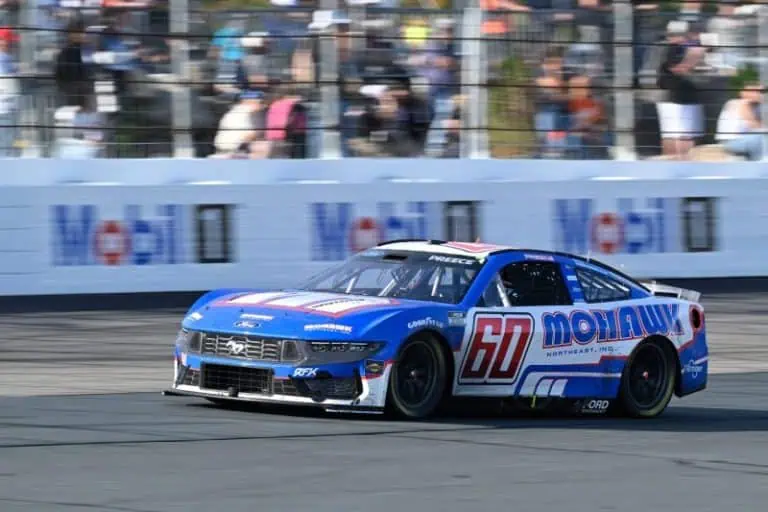
You know, going into a race weekend, especially a playoff cutoff race like Bristol, you expect the unexpected. But what unfolded under the lights at the Bass Pro Shops Night Race was something else entirely. It wasn’t just about drivers battling each other, but about a full-blown war against their own cars, specifically the rubber connecting them to that high-banked concrete. The main character of this drama? Bristol’s unpredictable and downright brutal tire wear.
Before the green flag even waved at Bristol, there was a quiet buzz in the garage. Goodyear had brought a new, softer right-side tire compound for this Round of 16 eliminator. The idea was to create more fall-off, to put the race back in the drivers’ hands. During practice on Friday, everything seemed fine.
The tires showed some wear, but nothing that raised alarm bells. It looked like business as usual. Boy, were we wrong. Fast forward 24 hours, and that same track had turned into a cheese grater. The situation on the track flipped the script so fast it gave everyone whiplash. Strategy sheets were torn up, and a new, desperate game of survival began.
When Tires Become the Enemy
It didn’t take long for the chaos to begin at Bristol. We were barely 25 laps into the race when AJ Allmendinger, who had started on the pole, suddenly fell through the field like a rock. He went from leading the pack to fifth in the blink of an eye. You could hear the tension in his voice over the radio as he told his crew, “There’s something wrong with the right side.” He wasn’t alone.
A few laps later, the No. 16 dove onto pit road. That opened the floodgates. A parade of cars followed him, including playoff contenders like Austin Dillon and Joey Logano. Their right-side tires were corded, shredded down to the bare wires. It was a shocking sight. The new Goodyear rubber, meant to spice things up, was self-destructing in less than 50 laps on the high banks of Bristol. The “Last Great Colosseum” was eating tires for dinner, and the race had completely changed.
A Scramble for Strategy and Survival
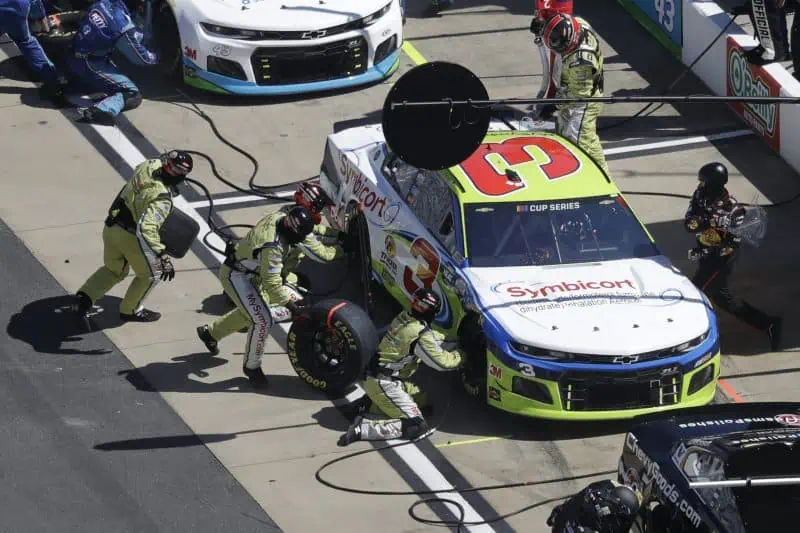
Pit lane at Bristol became a frantic scene of desperation and quick thinking. Crew chiefs were scrambling, trying to calculate how to make it through the race with the rubber they had left. The extreme tire wear meant that the initial race strategy was useless. You couldn’t stay out for long green-flag runs; you had to nurse the car, manage the tires, and pray you didn’t end up in the wall.
It was pure, old-school NASCAR. Drivers had to change their driving style on the fly, searching for any part of the track that was kinder to the rubber. They were sawing at the wheel, trying to keep the car from skating up into the marbles. It was a beautiful, terrifying dance on the edge of disaster.
NASCAR and Goodyear officials saw the Bristol crisis unfolding. During the Stage 2 break, they made a crucial call: every team would get an extra set of tires. It was a necessary move, a lifeline thrown to teams that were facing the real possibility of running out of rubber before the checkered flag. Teams started the weekend with 11 sets, and now they had one more to play with. It didn’t solve the problem, but it gave them a fighting chance.
How Tire Wear Changed the Playoff Picture
Amid the Bristol chaos, some drivers found a way to make it work. Ryan Blaney and his Team Penske crew played it smart. They pitted before a restart late in Stage 1, taking on fresh tires when others were trying to stretch their run. That bold move paid off. Blaney charged through the field, snatching the Stage 1 win from Ty Gibbs right at the line. Those 10 stage points, plus a priceless playoff point, were a massive boost for the No. 12 team.
By the end of that first stage, only 13 cars were on the lead lap. That tells you everything you need to know about the carnage. Tire management wasn’t just a strategy; it was the only strategy. As the second stage got underway, you could see the adjustment. The pace settled a bit. Drivers were more cautious, more deliberate. They knew they were in a 500-lap chess match against the track itself.
Final Thoughts
The Bristol night race turned into a testament to driver skill and team ingenuity. It was a throwback to a time when man and machine were pushed to their absolute limits, and the outcome was never certain until the very end. The tire wear was a curveball no one saw coming, and it made for one of the most compelling and unpredictable races of the season. It wasn’t just a race; it was a story of survival.