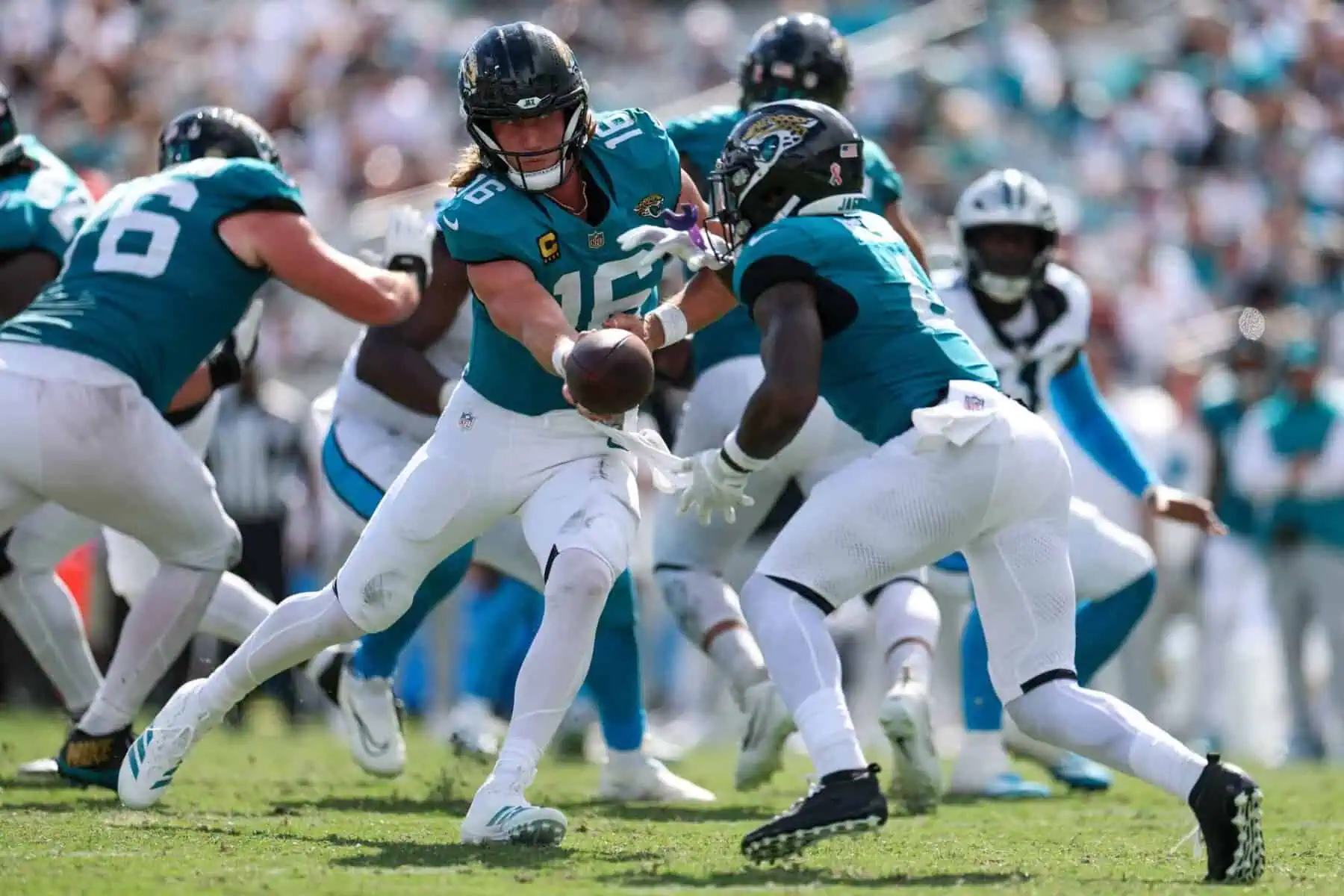
Tank Bigsby’s Role With the Philadelphia Eagles Is Now Clear

When news broke that the Philadelphia Eagles had traded for Jacksonville Jaguars running back Tank Bigsby, sending fifth- and sixth-round 2026 picks to Florida, the collective reaction from Eagles Nation was simple: “Wait, what?”
I mean, seriously. Here’s a team coming off a Super Bowl appearance with Saquon Barkley fresh off a 2,000-yard season, Will Shipley looking promising in training camp, and AJ Dillon providing that bulldozer presence. Why exactly did they need another running back? But here’s the thing about the Eagles front office – they’re always thinking three moves ahead while the rest of us are still trying to figure out their last one.
The Real Reason Behind the Bigsby Move
Let’s be honest: this trade wasn’t really about depth at running back. It was about fixing a glaring weakness that became painfully obvious in Week 1 against Dallas. Remember that kickoff return game? Because the Eagles certainly do, and they’re probably still having nightmares about it.
With the NFL’s new dynamic kickoff rules in full swing this season, returning kicks has become more crucial than ever. The league moved the touchback spot from the 30-yard line to the 35, and suddenly 75.6% of kickoffs in Week 1 were being returned – a massive jump from last season’s 30.2% in the opener. The Eagles? They were about as effective as a chocolate teapot on returns.
Will Shipley muffed his first attempt and ended up at the 19-yard line (and got hurt in the process). John Metchie III took over and managed to get to the 28. When you factor in the touchbacks, Philadelphia’s average starting field position was a measly 29.3 yards. That’s not going to cut it when every other team is looking to gain a competitive edge through special teams.
Bigsby Brings the Boom
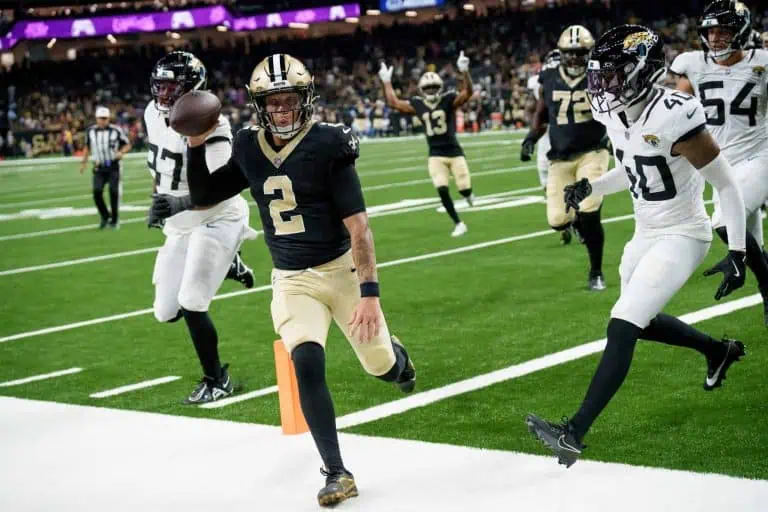
Here’s where Bigsby becomes more than just another body in the backfield. Sure, he’s only returned 11 kicks in his NFL career, but those numbers tell a story. Last season, he averaged 32.5 yards per return on just six attempts – well above the league average of 27.6 yards. The guy has wheels, and more importantly, he has the vision and burst that can turn a routine kickoff return into a game-changing field position advantage.
Think about teams like Dallas with KaVontae Turpin or the Jets with Xavier Gipson – they’re changing games with their return specialists. The Eagles watched Turpin torch them and said, “We need one of those.”
The Depth Chart Reality Check
With Shipley’s rib injury throwing a wrench into the Eagles’ backfield plans, Bigsby suddenly becomes much more than a special teams addition. He’s legitimate insurance behind Barkley – and not the “pray he doesn’t get hurt” kind of insurance that Dillon represented.
Bigsby rushed for 766 yards and seven touchdowns last season while averaging 4.6 yards per carry. Those aren’t world-beating numbers, but they’re solid enough to keep an offense humming if Barkley needs a breather or, heaven forbid, misses time. The Jaguars could afford to move on because they’re loaded at the position with Travis Etienne and their two rookie backs. For Jacksonville, it was addition by subtraction – they got two draft picks for a player they couldn’t guarantee touches to.
The Money Game
Here’s where things get really interesting from a front office perspective. The Eagles aren’t just thinking about 2025 – they’re planning for the next few years. Barkley is locked up through 2027 with his $41.2 million deal, but the Eagles need cost-effective options behind him. Bigsby and Shipley will cost them a combined $2.97 million in 2026.
That’s not even what some teams pay their long snappers (okay, maybe that’s an exaggeration, but you get the point). Compare that to what veteran backups typically cost, and suddenly this trade looks like a masterclass in salary cap management.
The Eagles’ Crystal Ball
The beauty of this move is how it addresses multiple needs without breaking the bank. Bigsby gives them a legitimate kickoff returner, provides quality depth at running back, and does it all on a rookie contract. It is the kind of move that makes you wonder if the Eagles have a time machine tucked away in the NovaCare Complex. They saw how the new kickoff rules were going to impact the game and got ahead of the curve while other teams are still figuring out what hit them.
Sure, giving up two Day 3 picks might seem steep for a backup running back, but when you consider the Eagles still have 10 projected picks in 2026, it’s hardly a salary cap-crippling move.
The Bottom Line In Bigsby
Sometimes the best trades are the ones that make you scratch your head initially. The Eagles didn’t just acquire a running back – they got a Swiss Army knife who can contribute immediately on special teams while providing legitimate depth at a crucial position.
In a league where one injury can derail an entire season, having Bigsby in your back pocket feels like the kind of insurance policy that championship teams carry. Don’t be surprised if this move looks even smarter come playoff time. The Eagles have a knack for making moves that seem questionable in September but look brilliant in January.