Green Bay Packers Xavier McKinney Brushes Off Controversial Taunting Penalty From Week 1

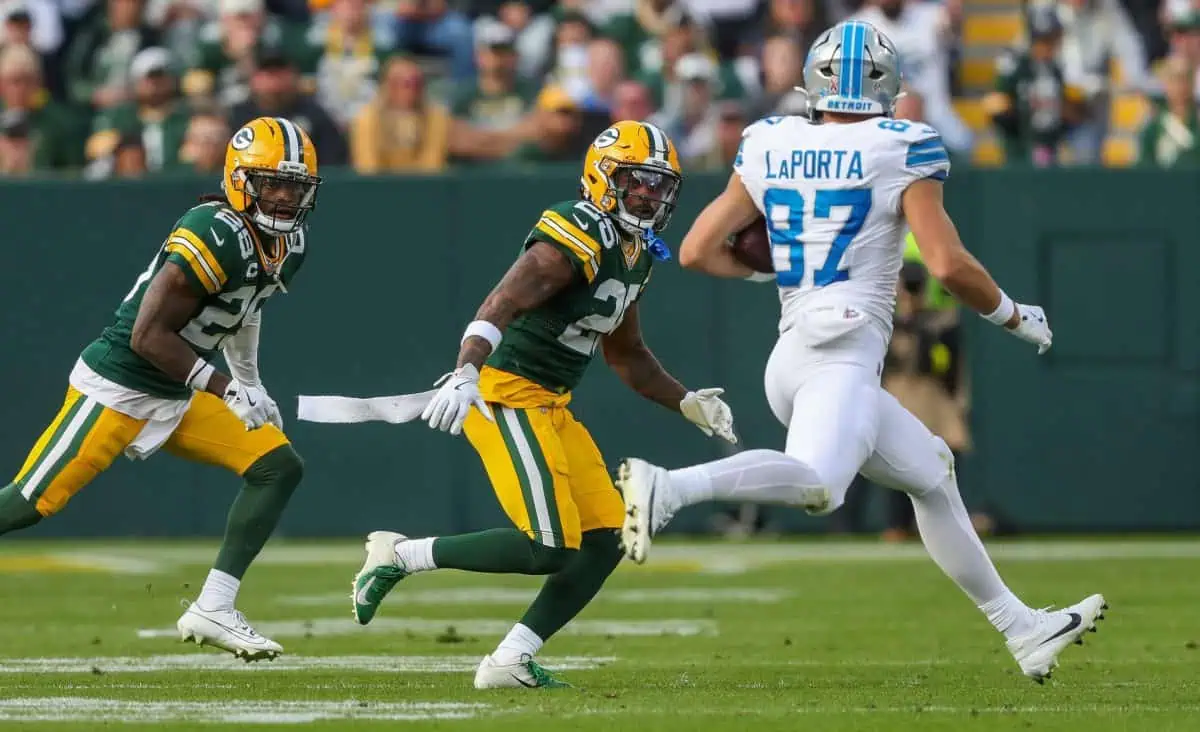
The Green Bay Packers secured a decisive 27-13 victory over the Detroit Lions in Week 1, but the game wasn’t without a moment of controversy that has become all too common in the modern NFL. A questionable taunting penalty called on Packers star safety Xavier McKinney highlighted a league-wide point of emphasis that continues to frustrate players, coaches, and fans alike.
McKinney’s postgame response, coupled with Head Coach Matt LaFleur’s sideline reaction, reignited the debate about the subjective nature of taunting calls and the NFL’s struggle to enforce them consistently.
Green Bay Packers Xavier McKinney Responds to Taunting Penalty
The incident occurred early in the second quarter. After a play where running back Jahmyr Gibbs was pushed out of bounds, McKinney was flagged for taunting. The penalty stemmed from him briefly standing over Lions player Kalif Raymond, who was on the ground away from the main action. The 15-yard penalty gave the Lions excellent field position, which they converted into a field goal.
While the play itself was minor, the penalty was significant. After the game, McKinney didn’t shy away from admitting his actions but stood by them as a necessary part of setting a physical tone against a divisional rival.
“I probably did,” McKinney said when asked if he stood over Raymond. “But hey, it is what it is. I had to set the tone not just for our team but for our defense of how we want to play. I’ll take the flag, I’ll live with it, it’s all right.”
His comments reflect a sentiment shared by many defensive players: football is an emotional, aggressive game. For McKinney, the act wasn’t just about disrespect; it was about establishing dominance early in a crucial game. He added that he plans to “toe the line” going forward, accepting the consequences if they come but not sacrificing his aggressive style of play.
Matt LaFleur’s Take on the Controversial Call
Head Coach Matt LaFleur was visibly furious on the sideline when the flag was thrown. His frustration was understandable, as the penalty felt excessive and inconsistent with the flow of the game. While he was more diplomatic in his postgame press conference, his disagreement with the call was clear.
“Worst case scenario, they should’ve been offsetting (penalties),” LaFleur suggested, alluding to the minor confrontation that ensued. “But they saw it differently.”
LaFleur acknowledged that the league has made unsportsmanlike conduct a point of emphasis and that his team has been briefed on the rules. He stressed the importance of maintaining composure, especially against a good opponent. However, his initial reaction on the field mirrored that of the fans—a mix of confusion and frustration over a seemingly minor act having such a significant impact on the game.
Why Taunting Calls Frustrate Fans
The McKinney penalty is a perfect example of why the NFL’s crackdown on taunting has become a source of contention for fans. The core issue lies in the rule’s subjective nature and inconsistent application.
1. Inconsistent Enforcement
Throughout the same Packers-Lions game, and across the league in Week 1, there were numerous instances of players celebrating, jawing, or gesturing after big plays that went unflagged. Fans are left wondering what separates an acceptable celebration from a 15-yard penalty. When one player is penalized for standing over an opponent, while another can flex in a defender’s face without a flag, it creates a sense of arbitrary enforcement that undermines the credibility of the officiating.
2. It’s a Judgment Call
Unlike a false start or holding penalty, taunting is purely a judgment call made in a split second. What one official deems as disrespectful taunting, another might see as harmless emotion. This gray area leads to situations like McKinney’s, where a seemingly innocuous act draws a flag that alters field position and potentially the outcome of a drive. This subjectivity removes a level of objectivity that fans expect from the rules.
3. It Sanitizes the Game’s Emotion
Football is an intense, emotional sport. The passion and personality of the players are a huge part of its appeal. While there is no place for overtly disrespectful or dangerous actions, the current emphasis on taunting often feels like an attempt to legislate emotion out of the game. Fans enjoy the rivalries, the trash talk, and the swagger that players bring. Over-policing these interactions can feel like it sanitizes the product on the field.
Final Thoughts
Ultimately, Xavier McKinney is willing to live with his penalty, but the larger debate continues. Until the NFL can define and enforce the taunting rule with greater clarity and consistency, these controversial calls will remain a major point of frustration for everyone who loves the game.