The End Of An Era: NFL RedZone Adds Commercials and Fans Are Not Happy

After 16 glorious seasons of “seven hours of commercial-free football,” NFL RedZone is officially selling out to the almighty dollar. Will football fans ever warm up to this decision?
What’s Changed With NFL RedZone?
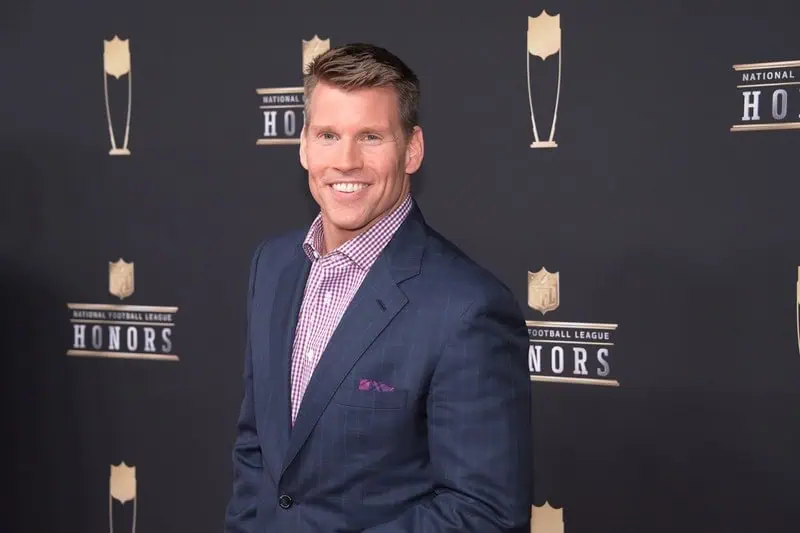
Scott Hanson dropped the bombshell on “The Pat McAfee Show” this week, confirming what many of us feared was coming. Starting this Sunday, NFL RedZone will feature full commercial breaks for the first time in its history. Gone are the days of that beloved tagline we’ve all memorized: “Seven hours of commercial-free football starts now.”
Instead, Hanson will now greet viewers with the watered-down version: “Seven hours of RedZone football starts now.” It is like ordering a steak and getting a veggie burger – technically still food, but not what you signed up for. The writing was on the wall when ESPN acquired a 10% stake in the NFL Network last month, taking control of NFL RedZone in the process. And honestly, did anyone really think Disney would let a commercial-free product slide by without monetizing it? That is like expecting a politician to tell the truth during election season.
Why Fans Feel Betrayed By the Commercial Decision
Here is the thing that’s got everyone’s jersey in a twist: NFL RedZone wasn’t just another sports show. It was a sanctuary for football purists who wanted to watch seven straight hours of football without being interrupted by ads for beer, trucks, and insurance companies that somehow all feature retired quarterbacks.
Fantasy football players especially relied on RedZone as their Sunday church service. You could track all your players across multiple games without missing a single touchdown because some pharmaceutical company needed to tell you about their latest side-effect-laden miracle drug.
The fan reaction on social media has been swift and brutal. One Twitter user perfectly captured the mood: “Watching a commercial at 1:25 p.m. ET during the first RedZone Sunday of the NFL season” with a gif showing pure disgust. Another simply wrote, “They already ruined it and the season hasn’t started.”
And can you blame them? For 16 years, NFL RedZone offered something unique in the television landscape – uninterrupted football action that jumped from red zone to red zone across the entire slate of Sunday games. It was appointment television for millions of fans who planned their Sunday around Hanson’s marathon hosting sessions.
Scott Hanson’s Difficult Position
Let’s be real here – this isn’t Hanson’s fault. The man has been the heart and soul of NFL RedZone since day one, hosting seven-hour broadcasts without bathroom breaks (seriously, the guy is a machine). When he appeared on McAfee’s show, you could see the discomfort in his voice as he explained that he has “no control” over the commercial decisions.
Hanson tried to soften the blow by promising that commercials won’t interrupt crucial moments like touchdowns or goal-line situations. But that’s like telling someone you’re only going to punch them in the arm instead of the face – it’s still not ideal. The host already went through this awkward dance last December when NFL RedZone tested split-screen commercials during Week 15. He used his traditional commercial-free catchphrase, then had to issue a public apology a few days later, admitting he was “conflicted” and had “made the wrong decision.”
That moment should have been our canary in the coal mine. When Hanson, the most genuine guy in sports broadcasting, has to apologize for something he clearly didn’t want to do, you know corporate suits are pulling the strings.
The Business Reality Behind NFL RedZone Changes
I get it from a business perspective. ESPN didn’t shell out millions for NFL media properties to maintain the status quo. They are in the business of making money, and commercial-free programming doesn’t exactly align with that goal.
The NFL has become an absolute money-printing machine, with television rights deals worth billions of dollars. Every piece of content is being squeezed for maximum revenue potential. RedZone, with its devoted fanbase and seven-hour Sunday programming blocks, represents prime real estate for advertisers.
McAfee tried to downplay the controversy, claiming “I don’t think anybody is upset about the commercials.” But McAfee’s show is literally sponsored by ESPN, so of course, he’s going to toe the company line. That’s like asking a McDonald’s employee if they think Burger King makes better burgers.
What This Means for Football Fans Moving Forward
The harsh reality is that this is just the beginning. Once you open the commercial floodgates, there is no going back. Today, it is full of commercial breaks during natural lulls in action. Tomorrow, it could be split-screen ads during live play or sponsored segments that interrupt the flow of the show.
For fans who have built their Sunday routines around NFL RedZone’s unique format, this represents a fundamental change to the viewing experience. The beauty of RedZone was its relentless pace – bouncing from game to game, never missing a scoring opportunity, never breaking the spell with advertisements.
Now we’ll have to sit through commercials for products we probably don’t need while potentially missing crucial fantasy football moments or game-changing plays happening elsewhere.
The Bigger Picture For Sports Broadcasting
This move reflects a broader trend in sports media where fan experience increasingly takes a backseat to revenue generation. We’ve seen it with streaming services fragmenting sports coverage, gambling partnerships infiltrating every aspect of broadcasts, and now the commercialization of previously ad-free content.
The NFL RedZone commercial controversy might seem like a small thing in the grand scheme of sports business, but it represents something larger – the erosion of fan-first programming in favor of advertiser-friendly content.
The NFL season kicks off this Sunday, and millions of fans will tune in to see how these changes affect their beloved RedZone experience. Whether they stick around or find alternatives will ultimately determine if this gamble pays off for ESPN and the NFL. One thing’s for certain: “seven hours of commercial-free football” was more than just a catchphrase – it was a promise. And breaking promises in sports media rarely ends well for anyone involved.