Report: Dallas Cowboys Consulted With Players Before Trading Superstar Micah Parsons

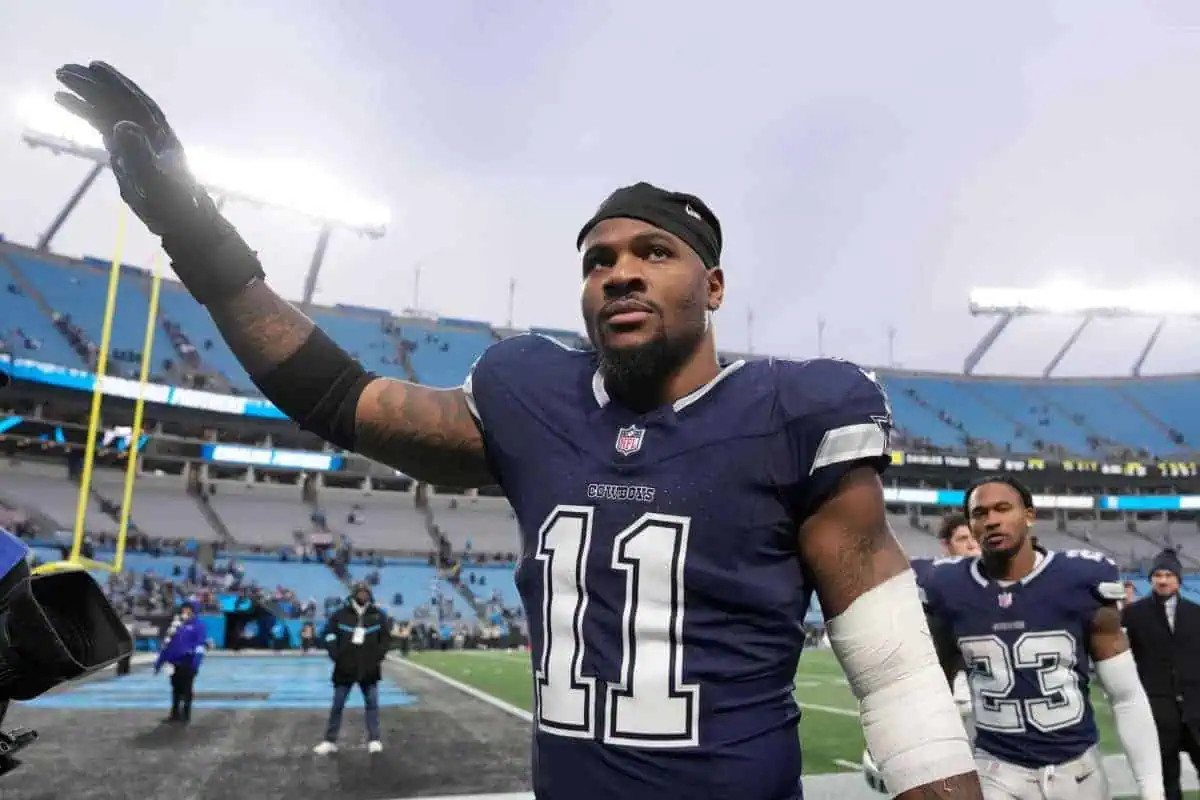
The Dallas Cowboys sent shockwaves through the NFL world this week with one of the most stunning trades in recent memory. Star linebacker Micah Parsons, the face of the franchise’s defense and a cornerstone player, was dealt to the Green Bay Packers in exchange for two first-round picks and defensive tackle Kenny Clark. What makes this move even more remarkable isn’t just the magnitude of losing a generational talent, but the reported unanimity behind the decision.
According to Cowboys insider Nick Harris, this wasn’t a Jerry Jones power play or front office miscalculation. Instead, it was described as a “unanimous decision” involving coaches, management, and even players within the organization. The revelation adds layers of complexity to what initially appeared to be another controversial Cowboys front office move, suggesting deeper organizational issues that led to parting ways with one of the NFL’s premier defensive players.
The Dallas Cowboys Micah Parsons Trade: A Shocking Move
When news broke of Parsons’ trade to Green Bay, the immediate reaction was one of disbelief. The 2021 NFL Defensive Rookie of the Year and three-time Pro Bowl selection has been the anchor of Dallas’ defense since entering the league. His versatility, leadership, and game-changing ability made him seem untouchable in any trade scenario.
The compensation package tells the story of Parsons’ value. Two first-round picks and an established starter in Kenny Clark represents significant capital for the Cowboys. Clark, a former first-round pick himself, brings veteran presence and interior pass-rushing ability that Dallas desperately needed. The draft picks provide future flexibility, though surrendering immediate talent for potential is always risky.
For the Packers, acquiring Parsons represents a massive coup. Green Bay gets a 25-year-old defensive superstar in his prime, someone who can immediately elevate their defense to championship levels. The move signals the Packers’ commitment to maximizing their Super Bowl window while they still have elite talent across their roster.
Unanimous Decision: Players and Coaches Weigh In
The most intriguing aspect of this trade isn’t the compensation or even the player involved—it’s the reported consensus behind the decision. Harris revealed that head coach Brian Schottenheimer, the coaching staff, and at least one “front-facing” player all agreed that moving Parsons was the right choice.
This unanimous agreement suggests something significant was happening behind the scenes. When an organization collectively decides to trade a player of Parsons’ caliber, it typically indicates either severe locker room issues, contract disputes, or philosophical differences about the team’s direction.
The identity of the player who supported the trade remains unknown, but the description of “front-facing” narrows the possibilities. Candidates likely include quarterback Dak Prescott, who would carry the most weight in such discussions, or veteran leaders like CeeDee Lamb or other established stars. However, the fact that several prominent players, including Trevon Diggs, Lamb, and KaVontae Turpin, publicly expressed disappointment on social media suggests the supporting player may have been someone unexpected.
Head coach Schottenheimer’s involvement in the decision is particularly noteworthy. As a defensive-minded coach, endorsing the trade of your best defensive player indicates either supreme confidence in the return package or recognition that the situation had become untenable.
Behind-the-Scenes Dynamics
The unanimous nature of this decision points to potential friction that wasn’t visible to the public. Parsons, despite his on-field excellence, may have presented challenges that outweighed his considerable talents. Whether those issues involved contract negotiations, leadership dynamics, or fit within the team’s culture remains unclear.
Professional sports organizations rarely move elite talent without compelling reasons beyond pure football considerations. The fact that coaches and players alike supported this move suggests Parsons’ departure solves problems that weren’t apparent from the outside.
This situation mirrors other high-profile trades where talented players were moved due to organizational fit rather than performance issues. Sometimes the best players aren’t the best teammates, and championship-caliber teams prioritize chemistry and culture over individual excellence.
What This Means for the Cowboys and Packers
For Dallas, this trade represents a significant philosophical shift. The organization is betting that Kenny Clark’s veteran presence and the future value of two first-round picks outweigh losing Parsons’ game-changing ability. The move suggests the Cowboys are thinking beyond the immediate future, possibly preparing for a broader roster reconstruction.
The financial implications are also significant. Moving Parsons’ contract creates salary cap flexibility that Dallas can use to address other roster needs or extend key players. This trade might enable the Cowboys to retain other core pieces while building through the draft.
Green Bay, meanwhile, has made a clear statement about their championship ambitions. Adding Parsons to an already formidable defense creates one of the league’s most feared units. The Packers are betting that Parsons’ impact will be worth the significant draft capital invested.
The trade also highlights different organizational approaches. While Dallas prioritized future flexibility and culture fit, Green Bay chose immediate impact and star power. Both strategies have merit, but the results will ultimately determine which approach was correct.
The unanimous agreement behind this trade suggests it was the right move for Dallas, regardless of public perception. When coaches, management, and players all support trading a superstar, it indicates deeper organizational wisdom that transcends individual talent.