Update: Why NASCAR Really Ejected Rudy Fugle Before Daytona

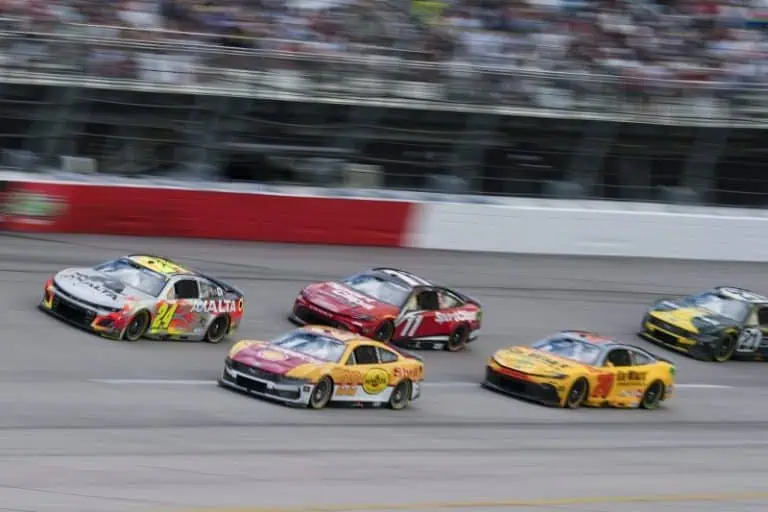
The garage area buzzed with tension that August day at Daytona International Speedway. Word spread quickly through the haulers that something serious had gone down with the No. 24 team. William Byron’s crew chief, Rudy Fugle, was nowhere to be found near his team’s pit box.
The reason? He’d been ejected from the track before the race even began. This wasn’t your typical prerace inspection hiccup. This was something that cut deeper into the heart of NASCAR’s ongoing battle to maintain competitive integrity while streamlining race weekend operations.
What Really Happened to Rudy Fugle at Daytona
The details emerged during NASCAR’s “Hauler Talk” podcast, where Mike Forde, managing director of communications, pulled back the curtain on the incident. A team member was caught red-handed pushing down the splitter on Byron’s Chevrolet after the car had already passed prerace inspection. That’s when everything went sideways for the regular-season champion’s team.
“We want fans to understand that every car here has been closely scrutinized and is on an even playing field,” Forde explained during the podcast. The frustration in his voice was palpable as he described how the underbody was re-examined after the unauthorized adjustment. When the car subsequently failed inspection, NASCAR dropped the hammer on Rudy Fugle.
The ejection sent shockwaves through the Cup Series garage. Crew chiefs getting tossed from the track is rare, or about as uncommon as finding a unicorn in victory lane. Typically, it’s the car chief who takes the walk of shame. But when you mess with a car after inspection officials have given it the green light, NASCAR doesn’t mess around.
NASCAR’s Crackdown on Inspection Failures
The Fugle ejection wasn’t happening in a vacuum. NASCAR had been wrestling with a massive problem all season long. Teams were failing prerace inspection at an alarming rate. Through the first 20 races of 2025, the failure rate hit a staggering 55%. That’s more than half the field showing up with cars that didn’t meet specifications on their first pass through the inspection bay.
Think about that for a moment. More than half the cars rolling into inspection weren’t ready to race. The delays were wreaking havoc on race weekend schedules, creating a domino effect that frustrated fans, teams, and NASCAR officials alike.
The New Policy That Changed Everything
In mid-July, before the Dover Motor Speedway race, NASCAR executives called a meeting with Cup teams. They’d had enough. The new policy was simple but effective. Fail a prerace inspection, and your team will be sent to the back of the inspection line for the next race. For teams accustomed to their inspection order being set by points standings, this was a game-changer. The results spoke volumes.
At Watkins Glen International, 38 of 40 cars passed inspection on their first attempt. A Cup Series record that had veterans scratching their heads in amazement. The failure rate plummeted to about 25%, exactly where NASCAR wanted it. But at Daytona, where there were no practice sessions to work out the kinks, about half the field still struggled through inspection. The pressure was mounting, and that’s when the No. 24 team made its fateful decision.
Hendrick Motorsports’ Response Tells the Whole Story
What happened next revealed the true gravity of the situation. When NASCAR senior vice president of competition Elton Sawyer spoke with Hendrick executives, there was no pushback. No appeals. No heated arguments in the hauler.”It was even the opposite,” Forde revealed.
The Hendrick brass themselves weren’t thrilled with their team’s actions. Here was their regular-season champion, William Byron, drawing negative attention right when the playoffs were about to begin. The timing couldn’t have been worse.
Byron lost his crew chief for the race, and penalties piled up like cars in a restrictor plate wreck. There was a loss of pit selection, starting from the rear, and a stop-and-go penalty during the race. Because everything was handled at the track without fines or points deductions, there was no avenue for appeal.
The Human Element Behind the Penalties
What makes the story of Rudy Fugle’s ejection particularly compelling is the human drama involved. Fugle had worked tirelessly all season to help Byron capture the regular-season championship. The duo had found their rhythm, clicking on strategy calls and executing races effectively. Then, in one moment of poor judgment by a team member, Fugle found himself watching from outside the fence as his driver competed for a playoff victory.
The frustration must have been overwhelming. Here was Byron, sitting pretty as the points leader, suddenly dealing with a controversy that overshadowed his remarkable regular-season performance. The team that had executed so flawlessly for months suddenly looked amateurish in the bright lights of Daytona’s media spotlight.
For NASCAR officials, the decision to eject Rudy Fugle sent a clear message throughout the garage area. The sanctioning body was serious about maintaining competitive integrity, even if it meant making an example of one of the sport’s most successful teams.
Looking Forward: Lessons Learned
The Rudy Fugle ejection at Daytona serves as a watershed moment in NASCAR’s efforts to streamline operations while maintaining fair competition. The incident highlighted both the effectiveness of NASCAR’s new inspection policies and the consequences of trying to circumvent the system.
For teams, the message rang loud and clear. Respect the inspection process, or face the consequences. For fans, it demonstrated NASCAR’s commitment to ensuring that what happens on track reflects genuine competition, not post-inspection manipulation.
Final Thoughts
As the playoffs began, the No. 24 team regrouped and moved forward without Rudy Fugle. But the lessons from that day at Daytona will resonate throughout the garage area for seasons to come, serving as a reminder that in NASCAR, integrity matters just as much as speed.