Milwaukee Bucks: Rockets GM Shuts Down Giannis Antetokounmpo Trade Rumors While Reporters Farm For Engagement

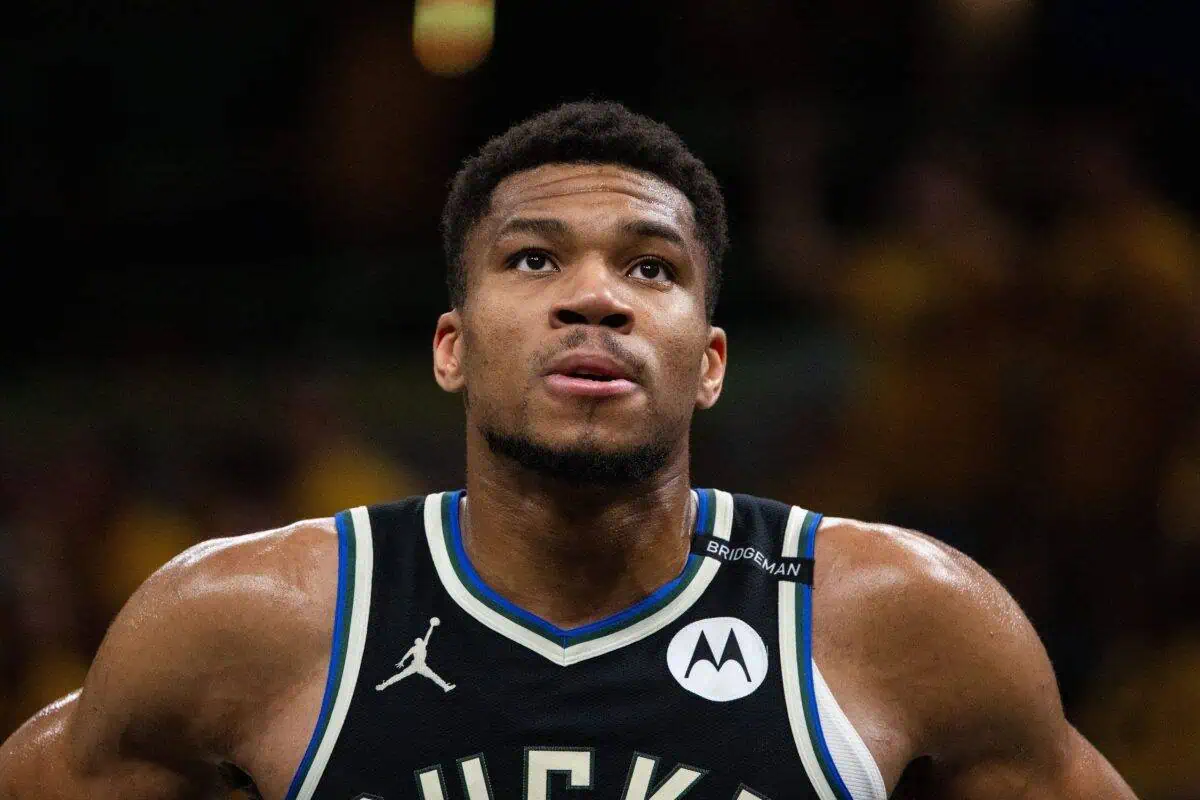
Milwaukee Bucks fans have had a bone to pick with the national media this offseason. In the age of social media and instant news cycles, the line between reporting and speculation has become increasingly blurred. The latest example comes courtesy of Houston Rockets GM Rafael Stone, whose matter-of-fact comments about Giannis Antetokounmpo have exposed the gap between actual NBA dealings and the breathless reporting that often surrounds them.
Milwaukee Bucks Giannis Antetokounmpo Rumors: The Stone Cold Truth
During a Friday appearance on ESPN Radio’s Houston affiliate (97.5 FM), Stone was asked about those persistent rumors linking the Rockets to Milwaukee’s superstar. His response was refreshingly straightforward: “I deal well with Jon Horst (Bucks general manager), I really like him. Jon was very clear that they weren’t doing anything. So, that was that.”
No drama. No cryptic language. No “sources close to the situation” needed. Just two GMs having an actual conversation about whether a trade was possible, with one telling the other it wasn’t happening. The Rockets then moved on to pursue Kevin Durant instead—a deal that actually materialized.
Stone’s comments paint a picture of how NBA business typically works: direct communication between executives who have professional relationships and respect each other’s positions. It’s almost mundane in its simplicity, which makes it all the more telling when contrasted with the narrative that had been building around this non-story.
When Speculation Becomes “News”
Earlier in the 2025 offseason, various reports suggested that Giannis trade discussions were not just possible but potentially imminent. ESPN’s Shams Charania, among others, had suggested that conversations about the Greek Freak’s future were heating up, creating a media frenzy that had fans refreshing Twitter and trade machine websites hourly.
The problem? These reports appear to have been built on quicksand. Stone’s revelation that Milwaukee’s GM was “very clear” they weren’t trading their franchise player suggests that whatever “talks” were happening existed more in the realm of media speculation than actual NBA front offices.
This disconnect highlights a troubling trend in sports journalism where the pressure to break news and generate engagement often supersedes the responsibility to verify information through proper channels.
The Milwaukee Fan Uprising
Milwaukee Bucks fans haven’t been shy about expressing their frustration with the constant trade speculation surrounding their best player. Many have specifically called out reporters like Charania for what they perceive as engagement farming—creating stories that generate clicks and social media interaction without substantial foundation.
The criticism isn’t without merit. When a reporter suggests trade talks are “imminent” or “heating up,” it creates anxiety among fanbases and can potentially impact team chemistry and player morale. If those reports aren’t grounded in actual conversations between decision-makers, they become little more than sophisticated gossip.
Milwaukee supporters have been particularly vocal on social media, pointing out that Antetokounmpo has repeatedly expressed his commitment to the city and organization. They argue that the constant speculation undermines both the player’s stated intentions and the team’s efforts to build around their cornerstone.
The Engagement Economy Problem
The modern sports media landscape rewards speed and volume over accuracy and depth. Breaking news, even if it’s later proven incorrect, generates immediate traffic and social media buzz. Corrections and clarifications, meanwhile, rarely receive the same attention as the initial reports.
This creates perverse incentives where reporters face pressure to publish speculative content framed as insider information. The line between reporting what’s happening and reporting what could theoretically happen becomes increasingly thin, leaving fans to sort through the noise.
Stone’s comments serve as a reminder that actual NBA business often happens through straightforward conversations between professionals who know each other well. When Horst tells Stone that Antetokounmpo isn’t available, that’s typically the end of the discussion—not the beginning of a multi-week media narrative.
The Real Story Behind the Non-Story
What makes Stone’s revelation particularly illuminating is its timing. The Houston Rockets ultimately traded for Durant, a move that required significant assets and planning. If serious Giannis discussions had been ongoing, would Houston have pivoted so decisively to another aging superstar?
The sequence of events suggests that the Rockets quickly determined Antetokounmpo wasn’t available and moved to their next target. This is exactly how competent front offices operate—they have backup plans and pivot when primary targets prove unrealistic.
It also underscores the respect between Stone and Horst, two executives who can communicate honestly about player availability without creating artificial drama or leaked negotiations designed to create leverage.
What This Means for Future Coverage
Stone’s straightforward comments should serve as a wake-up call for how NBA transactions are covered. When GMs are willing to speak directly about conversations with their peers, it provides a reality check against speculative reporting that may have little basis in fact.
The Antetokounmpo situation also demonstrates why teams value executives who can maintain professional relationships across the league. Stone and Horst’s ability to communicate directly prevented wasted time and resources on both sides while allowing Houston to pivot to a deal that actually made sense.
For fans, it’s a reminder to approach trade rumors with healthy skepticism, especially when they contradict public statements from the players and organizations involved. Giannis has consistently expressed his commitment to Milwaukee, and as Stone’s comments reveal, the Bucks front office has been equally clear about their intentions.
The Takeaway
Rafael Stone’s matter-of-fact dismissal of Giannis trade rumors provides a masterclass in how NBA business actually works versus how it’s often portrayed in the media. While reporters chase engagement with breathless speculation about “imminent” deals, actual GMs are having straightforward conversations that quickly resolve uncertainty.
For Milwaukee fans who have endured months of unfounded trade speculation, Stone’s comments offer validation of their frustration. Their criticism of engagement-driven reporting appears well-founded when the very premise of the story—that serious trade discussions were happening—proves to be false.
The NBA offseason will always generate speculation and rumors, but the Giannis Antetokounmpo saga serves as a reminder that the most dramatic stories are often the least accurate. Sometimes the truth is as simple as one GM telling another that a player isn’t available, and everyone moving on accordingly.