Miami Heat Trade Haywood Highsmith To Brooklyn Nets In Salary Dump Move

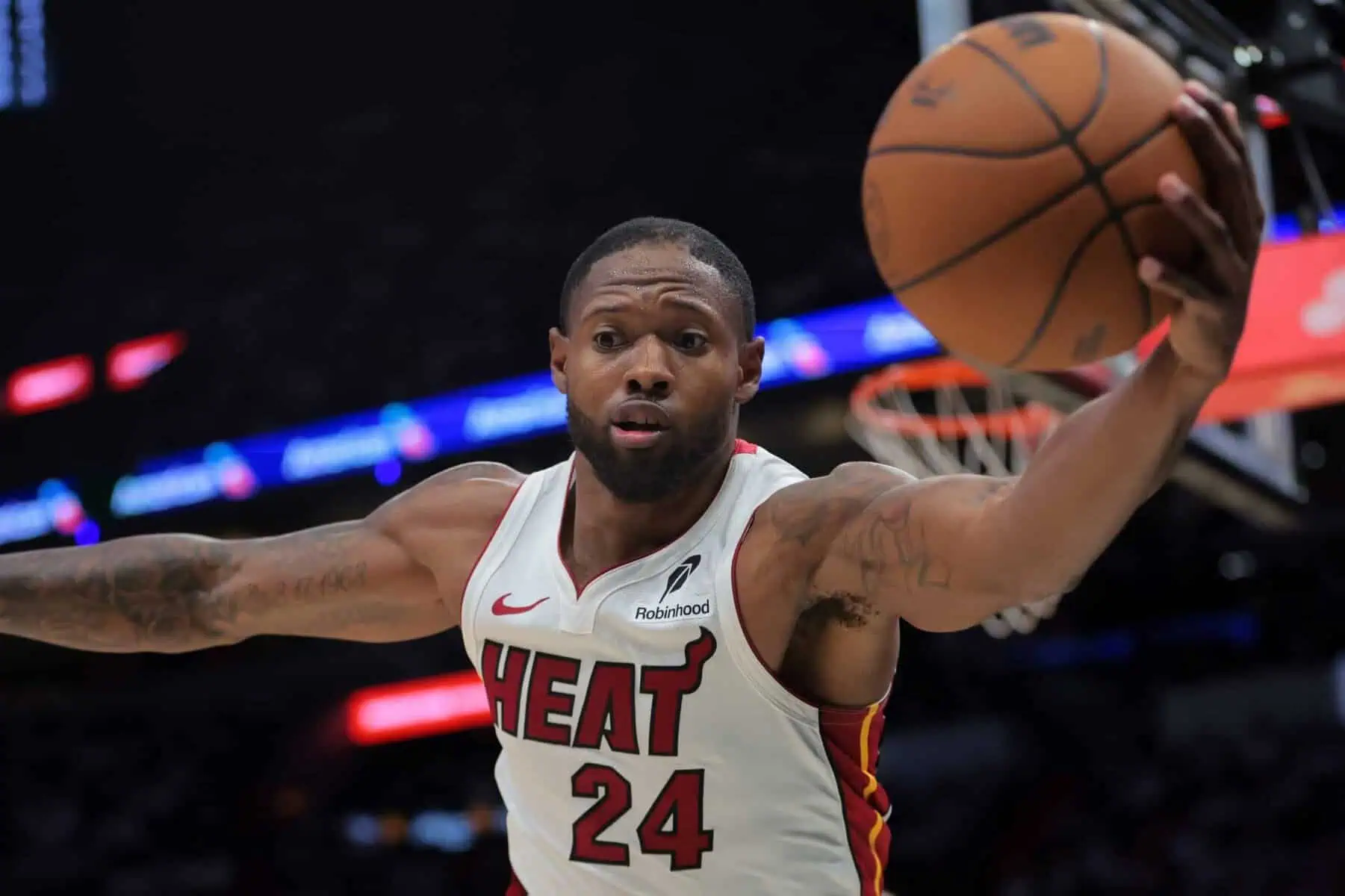
Just when you thought the NBA offseason couldn’t get any more thrilling, the Miami Heat decided to spice things up by trading away one of their most reliable role players. The Heat officially shipped Haywood Highsmith and a 2032 second-round pick to the Brooklyn Nets on Friday, receiving a protected 2026 second-round selection in return. This was not about acquiring talent or making the team better. This was about one thing and one thing only: money.
Why the Heat Traded Highsmith: It’s All About the Benjamin’s
By moving Highsmith’s $5.6 million salary off its books, Miami managed to wiggle its way out of luxury tax territory. They went from being approximately $1.3 million over the dreaded tax line to sitting pretty at $4.3 million under the threshold. Math isn’t exactly rocket science, but avoiding financial penalties requires some serious front office gymnastics.
The Heat were so desperate to avoid the luxury tax that they essentially gave away a productive player for free. Brooklyn didn’t even need to send back a matching salary because they had enough cap space to absorb Highsmith’s contract. Talk about a seller’s market, except Miami was practically begging someone to take their player off their hands.
The timing couldn’t be more perfect either. Highsmith recently underwent knee surgery to repair a meniscus tear, with an expected recovery timeline of 8-10 weeks. So not only did the Heat trade away a solid contributor, but they did it while he’s injured and potentially facing the start of the season on the sidelines.
Highsmith’s Journey: From Undrafted To Unwanted
Highsmith represents everything the Heat organization supposedly values: grit, determination, and the classic undrafted success story. He played in 100 G League games and even spent a season in Germany before getting his shot with Miami on a 10-day contract during the 2021-22 season.
Before joining the Heat, Highsmith had appeared in just five NBA regular-season games. The Heat gave him an opportunity, and he made the most of it, averaging 6.5 points and 3.4 rebounds in 74 games last season. Not exactly superstar numbers, but solid production from a role player who understood his assignment.
Over parts of four seasons with Miami, Highsmith averaged 5.5 points per game while providing the kind of energy and hustle that “Heat Culture” supposedly cherishes. But when push came to shove, and the accountants started crunching numbers, all that loyalty and development went out the window faster than a LeBron James fastbreak.
The Luxury Tax Dilemma: Heat’s Financial Reality Check
Miami’s desperation to avoid the luxury tax wasn’t just about this season’s bill. The Heat finished as a luxury tax team in each of the last two seasons, and crossing that threshold again would trigger the dreaded repeater tax. This penalty kicks in when a team pays luxury tax in four straight seasons or four times during a five-season period.
The repeater tax is designed to punish teams that consistently spend big money, with escalating penalties that can make even billionaire owners think twice about their spending habits. For a Heat organization that has always prided itself on being smart with money while remaining competitive, the prospect of repeater tax penalties was scarier than trading away rotation players.
What This Means For Miami’s Roster
With Highsmith gone, the Heat now have just 13 players on standard contracts, two below the NBA’s regular-season limit of 15. This gives them some roster flexibility, but it also highlights how thin their depth has become. When you’re trading away guys who contribute minutes, you better have a plan to replace that production.
The Heat have been masters of finding diamond-in-the-rough players over the years, but lightning doesn’t strike twice in the same place very often. For every undrafted success story like Highsmith, there are dozens of players who never make it out of training camp or the G League.
Brooklyn’s Low-Risk, High-Reward Gamble
From the Nets’ perspective, this trade makes perfect sense. They essentially got a proven NBA contributor and a future second-round pick for the low, low price of a conditional 2026 second-rounder. Even if Highsmith never fully recovers from his knee surgery or struggles to fit into their system, Brooklyn didn’t give up much to find out.
The Nets are in full rebuild mode anyway, so taking on salary and giving an injured player time to recover fits perfectly with their timeline. If Highsmith gets healthy and plays well, they have a nice trade asset or rotation player. If not, they are out a late second-round pick that probably would not have amounted to much anyway.
This trade perfectly encapsulates the current state of both franchises. Miami is trying to stay competitive while pinching pennies, and Brooklyn is collecting assets and hoping something sticks. It is not exactly the stuff of NBA legends, but it is the reality of modern professional sports.
The Heat better hope their penny-pinching pays off with improved health from their aging stars and continued development from their younger players. If this season goes sideways, fans are going to remember that the organization chose saving money over keeping depth. In a league where injuries happen and role players matter, that is a gamble that might not age well.