Chicago Bulls Make Stance Clear On Buying Out Nikola Vucevic

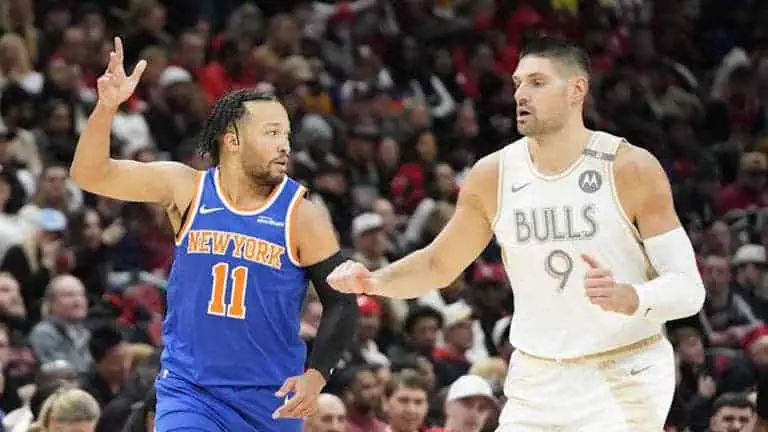
The Chicago Bulls find themselves at a critical crossroads regarding veteran big man Nikola Vucevic. With Vucevic entering the final year of his three-year $60 million contract, his future is a hot topic of debate. While the Bulls could explore a midseason trade or continue utilizing him as their starting center, the idea of a buyout has surfaced in recent discussions. But what would a buyout actually mean for the Bulls, and how does it compare to keeping him on the roster?
This blog explores the potential benefits and drawbacks of buying out Nikola Vucevic versus retaining him for the rest of the season. By unpacking his contributions, salary implications, and the broader team impact, we’ll assess which path better aligns with the Bulls’ goals.
Why Chicago Bulls Nikola Vucevic Still Matters
An Offensive Anchor
One key reason to keep Nikola Vucevic is his versatility on offense. Last season, he delivered a solid 18.5 points, 10.1 rebounds, and 3.5 assists per game while shooting an impressive 53% from the field and 40.2% from three-point range. Few big men offer such a blend of floor spacing, playmaking, and paint presence.
Chicago’s offense thrives when Vucevic facilitates as a hub, creating opportunities for scorers. His ability to stretch the floor keeps driving lanes open, allowing wings and guards to operate efficiently. For a team currently riding the middle of the Eastern Conference pack, removing a core piece like Vucevic could disrupt offensive chemistry.
Veteran Presence Matters
Beyond the stat sheet, Vucevic provides leadership. He’s a seasoned pro who can mentor younger players like Patrick Williams and even rookie talents looking to establish themselves. Having a veteran presence in the locker room is vital for maintaining focus and morale during the grind of an 82-game season.
The Bulls’ Playoff Aspirations
Despite the narrative that the Bulls are treading water, they remain competitive. If the front office envisions a strong playoff push, removing someone of Vucevic’s caliber midseason without an equally valuable replacement could significantly derail those hopes.
The Case for a Buyout
While Vucevic is undoubtedly talented, financial and strategic considerations could make his departure tempting. Buying out his contract lets the Bulls pivot toward a younger core or explore alternative roster configurations.
Financial Freedom
A buyout would first and foremost free up some financial flexibility. Though owner Jerry Reinsdorf historically opposes paying players not to play, cutting ties with Vucevic could help the Bulls focus on long-term cap management. A buyout often comes at a discount—Vucevic would negotiate to receive only part of his remaining salary—freeing up resources for the Bulls to invest elsewhere.
This may pave the way for Chicago to spend on younger talents or reposition itself in free agency. With restricted free agent Josh Giddey already looming on their radar, reallocating funds could better align with the team’s future objectives.
Paving the Way for Younger Players
Another reason to consider a buyout is developing younger talent. Patrick Williams, for one, has struggled to establish himself in a stacked frontcourt that includes Vucevic. Moving Vucevic would clear a lane for Williams to take on a larger role, helping the Bulls evaluate his potential as a franchise cornerstone amid his giant contract.
Younger players thrive on opportunity, and sometimes veterans limit the minutes available for experimentation. A defined role for Williams—and other young players—could inject energy and new possibilities into how Chicago approaches both ends of the court.
Preparation for a Full Rebuild
If the Chicago Bulls decide it’s time to rebuild, holding on to Vucevic may make little sense. Chicago could maximize their return by either trading him for draft picks or completing the buyout and fully committing to a younger core. Teams often struggle to move forward until they’ve decisively left behind an era, and Vucevic’s ongoing presence may keep the Bulls tethered to a middling trajectory.
Why a Buyout Could Backfire
Opportunity Cost
By buying out Vucevic instead of trading him, the Chicago Bulls potentially lose all leverage. While the trade market for Vucevic isn’t currently robust, injuries and fluctuating team dynamics across the league could increase his value midseason. There’s always a chance to pick up draft picks or underrated talent in return. Why settle for nothing but financial savings when you could ultimately gain more?
Team Cohesion Risks
For a team still actively pursuing playoffs, abruptly removing a centerpiece like Vucevic could disrupt chemistry. It’s one thing to deal with a player in a structured trade where roles on the team shift logically; it’s another to cut ties and leave gaps without a clear plan.
Balancing Immediate Needs and the Future
This decision boils down to balancing short-term competitiveness with long-term planning. If the Bulls prioritize a playoff push this season, keeping Vucevic seems logical. He elevates the team on offense, provides experience, and remains a key figure in their rotation.
On the other hand, if front office executives are eyeing cap space, asset acquisition, or player development as higher priorities, then parting ways with Vucevic—either via trade or buyout—could better align with those goals.
That said, the Chicago Bulls’ front office must tread carefully. Releasing Vucevic comes with risks that extend beyond immediate monetary considerations. Fans, players, and the coaching staff all invest in continuity, and a poorly timed move can erode team confidence. Without a backup plan, such a maneuver could do more harm than good.
Final Thoughts
Nikola Vucevic represents both an opportunity and a challenge for the Chicago Bulls’ future. Keeping him means leaning on his leadership, offensive versatility, and playoff viability for another season. Yet, buying him out offers financial freedom and the chance to reorient the team’s long-term prospects.
There’s no one-size-fits-all solution here. The Bulls’ decision ultimately hinges on whether they want to cling to their playoff hopes or take a step back for organizational rebirth. Either way, the front office owes it to fans—and the team—to make a move that doesn’t just look good on paper but also aligns with a cohesive vision for the next chapter of Bulls basketball.