NFL Shaking Up Playoffs On Deck At NFL Owners Meeting

The NFL playoff environment might be on the brink of a sweeping change. When the league’s 32 owners meet in Minneapolis on May 20-21, they’ll be deciding on a plan that would rewrite the rules on postseason seeding. It would also put an end to a decades-old tradition.
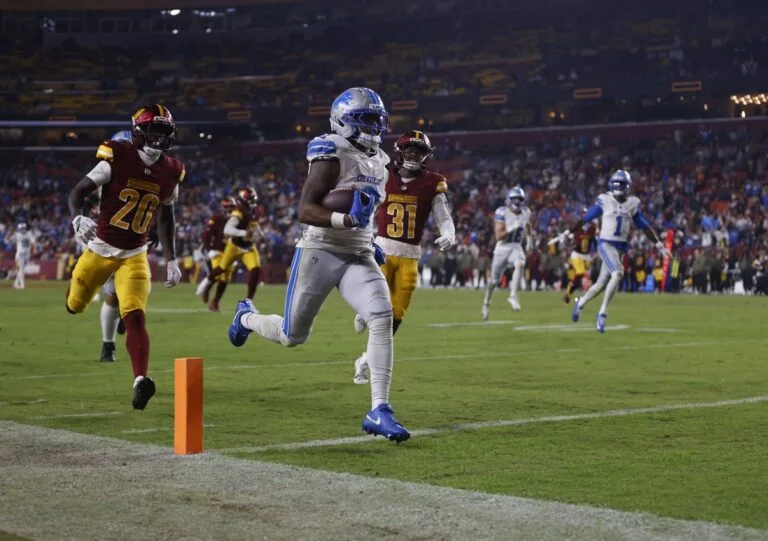
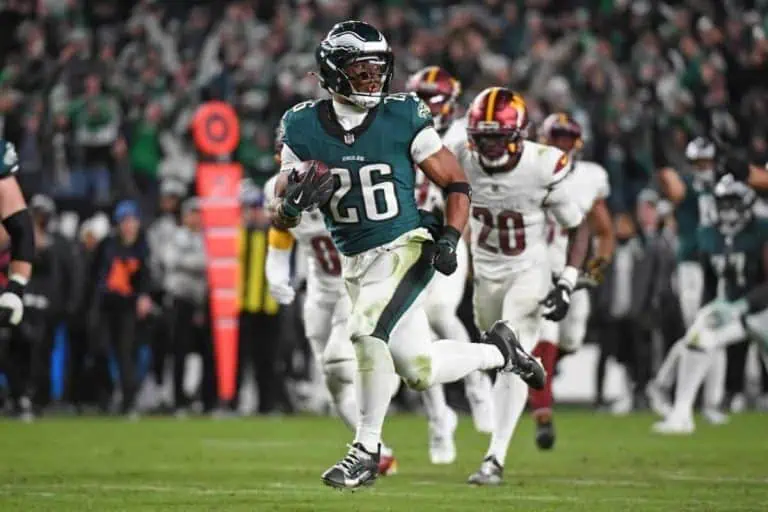
Introduced by the Detroit Lions, the proposed rule would seek to make win-loss records more important than division championships. Also on the agenda is the extremely contentious “tush push” ban — a play made famous by the Philadelphia Eagles, now in question regarding whether it is equitable and whether it is beneficial or detrimental to the sport.
League Meetings To Decide the Future Of Postseason and Method Of Play
The upcoming Minneapolis owners meetings are shaping up to be decisive. Following months of deliberation, the most influential voices within the league will finally be heard on two high-stakes issues. A postseason reseeding redesign and the prohibitive ban on the “tush push” quarterback sneak. The discussions began in March but were shelved to give franchises more time to consider the potential consequences.
With 24 of 32 votes necessary to pass each proposal, anything can happen — but momentum is building. According to Sports Illustrated’s Albert Breer, the playoff reseeding has picked up steam with teams who are upset about how things currently stand, supporting what they see as a more merit-driven system. Meanwhile, the “tush push” controversy is a divisive debate with some owners concerned about the safety of the players and the integrity of short-yardage plays. Others see it as a tactical evolution of the game.
The Lions’ Proposal: Let the Records Do the Talking
At the heart of the postseason upheaval is a drastic suggestion from the Detroit Lions. Seed playoff squads solely on regular-season record, win-loss records notwithstanding. Under the system now operating, the four division winners in each conference are automatically seeded one, two, three and four, and the three wild-card clubs fill out the remaining positions. This has the effect of creating mismatches, where higher-ranked teams have to travel for the Wild Card Round.
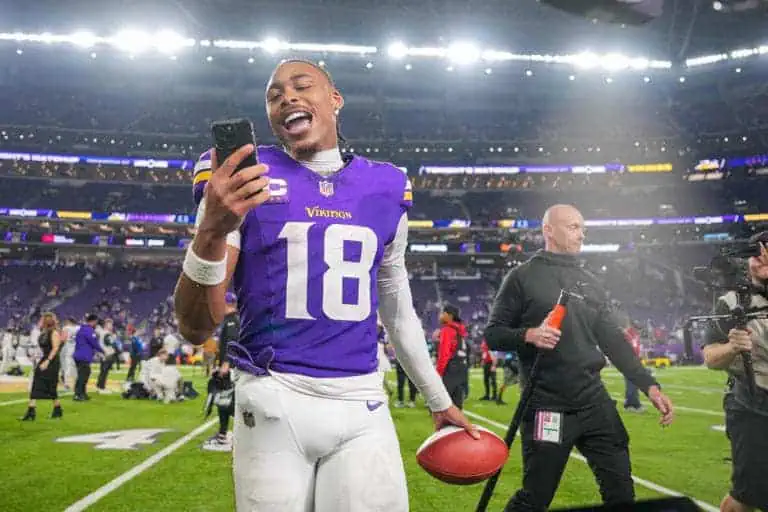
The Lions’ plan retains the same seven-team conference postseason but would ensure teams are ranked purely on merit. Under such a system, a wild-card team could be the No. 2 seed if it sported the second-strongest conference record. This is a significant upgrade from the current low of No. 5. To illustrate, the Chargers (11-6) would have hosted the Texans (10-7) last season instead of traveling to Houston. In the NFC, the 14-win Vikings would have played at home rather than being thrust on the road against the 10-win Rams. A game they lost.
Another tweak to the Lions’ reworked plan is reseeding following the Wild Card Round, so the No. 1 seed would always face the lowest remaining seed in the Divisional round. This is an effort to reward the league’s top teams even further.
The Fallout: What Happens To the Value Of Divisions?
In effect, the rule would flip on its head a cornerstone of NFL tradition: winning your division. Division titles have been the gateway to playoff positioning and home-field advantage for decades. The new system would essentially render division championships more or less ceremonial honors, at least in weaker divisions where records may not be playoff-worthy.
This would certainly be controversial. While playoff reseeding promotes fairness, it also awards superior teams home-field advantage regardless of location. On the one hand, it risks watering down classic rivalries and the importance of intra-divisional play, on the other hand. A team can sweep its division and still go on the road to face a wild-card team that simply had to play in an upgraded conference schedule.
The move would also create an earth-shattering shift in how rosters will be constructed and how scheduling strategy will be handled. A team could no longer skate by on a poor division. Conference-wide greatness would be the standard.
Final Thoughts
The NFL has changed forever with the times, from the implementation of wild cards to expansion to a 17-game season. The suggestion to reseed is just another potential step toward what many view as competitive fairness. But it also brings up the very question: How much should tradition be a part of the game today?
While the “tush push” prohibition will draw headlines with its flash and drama, the reseeding of the playoffs vote can change the foundation of NFL postseason competition. If the Lions get their way, the playoffs will soon be about unadulterated record instead of divisional pride. It will be a new era where only the best, not just the better, in their region, will stand.