Dynasties: With Win In Super Bowl LIX, the Chiefs Will Have One

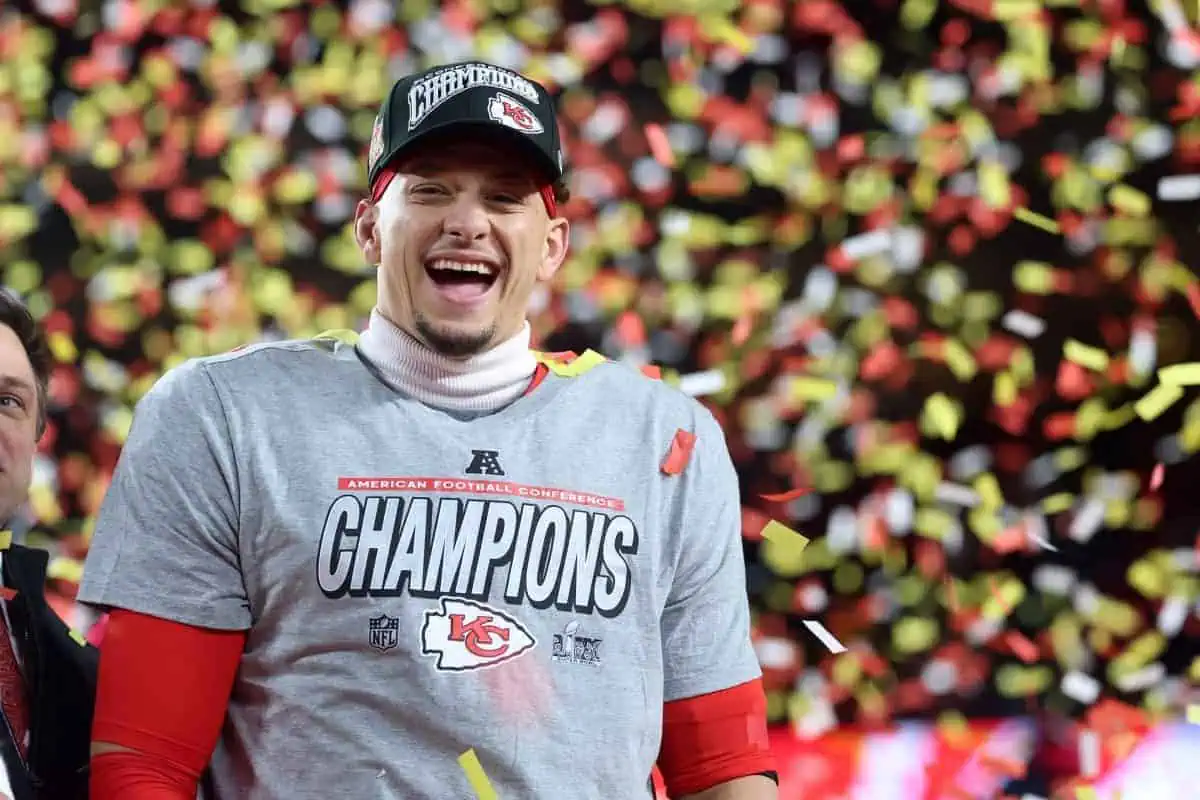
Dynasties are difficult to achieve. A dynasty will be achieved by the Kansas City Chiefs if they win Super Bowl LIX. That would make three wins in a row, which is unprecedented in professional football. With that in mind, this article investigates some of the great dynasties in other sports.
There have been some, but as parity rises dynasties are more difficult to achieve. Plus, it is difficult to win any championship, let alone three consecutive. That is the requirement for a dynasty). In this article, only dynasties from 1900 on will be considered. Are you anticipating history in the Super Bowl?
Professional Baseball
Depending on how one counts there have been five dynasties in professional baseball. Four by the Yankees and one by the Oakland Athletics. None of the dynasties have happened in the last 25 years though the Los Angeles Dodgers may have one brewing. There were the Babe Ruth Yankees of the 1920s and early 1930s, the Joe DiMaggio Yankees of the1940s, the Mickey Mantle Yankees of the 1950s and early 1960s, the Derek Jeter Yankees of the 1990s, and the Reggie Jackson Oakland A’s of the early 1970s.
Professional Basketball
In the NBA there have been five dynasties, and one fairly recently. The NBA started in 1946-1947. Almost immediately the Minnesota Lakers of George Mikan won five championships in six years. The great teams of the Boston Celtics won almost every year in the 1960s. The Los Angeles Lakers of Magic Johnson won five championships in the 1980s, and Michael Jordan’s Bulls won six championships in the 1990s. The Shaquille O’Neal-led Los Angeles Lakers won three championships in a row at the turn of the 21st century. The Golden State Warriors won three championships in 4 years culminating in 2017-2018.
Professional Hockey
The National Hockey League (NHL) holds the record with seven dynasties, but none since Wayne Gretzky played for the Edmonton Oilers. The NHL began awarding the Stanley Cup in 1918 and an unremarkable Toronto Maple Leafs team won three in a row from 1947-1949.
The Montreal Canadians won five consecutive Stanley Cups from 1956-1960. The Maple Leafs then won three consecutive championships from 1962-1964. Then the Canadians won five in seven years between 1965 and 1971. They won four more in a row from 1976-1979. Then the Islanders, winner of a record 19 consecutive playoffs series and occupiers of “Fort Never Lose,” won four consecutive Stanley Cups between 1979 and 1983. Their drive for five was interrupted by Wayne Gretzky and his Edmonton Oilers in 1984. They won five Stanley Cups in seven years, ending in 1990. That was the last dynasty in professional Hockey.
College Football
In college football, Michigan won four consecutive national championships between 1901 and 1904. Harvard won three times between 1909 and 1913. Cal won three consecutive championships from 1920-1922. The Minnesota Golden Gophers won three consecutive national championships between 1934 and 1936. They also won in 1940 and 1942. After that there were a bunch of two-time champions, but no dynasties. Special mention should be made here of Alabama, who won the national championship in 2011, 2012, 2015, 2017, and 2020.
College Basketball
The way college basketball tends to work is that a team, like the San Francisco Dons, gets a dominant player for two years and wins in those 2 years like San Francisco did in 1955 and 1956. That pattern repeats itself time and time again. The one glaring exception is the John Wooden-led UCLA Bruins, who won 10 national championships in 12 years between 1964 and 1976. That was the only dynasty in college basketball as many of the blue bloods like Duke, North Carolina, and Kentucky have won championships spread over the years.
Conclusion
Winning three consecutive Super Bowls had not happened, though the Pittsburgh Steelers did win 4 Super Bowls in 6 years. So, what the Kansas City Chiefs have an opportunity to do a week from Sunday is unprecedented. The Dolphins came the closest from 1970 to 1972. There have been several professional football teams that won two Super Bowls in a row but failed in the third season.