
Plum & Stewart Call Out Their Own Union Over 2026 CBA Talks

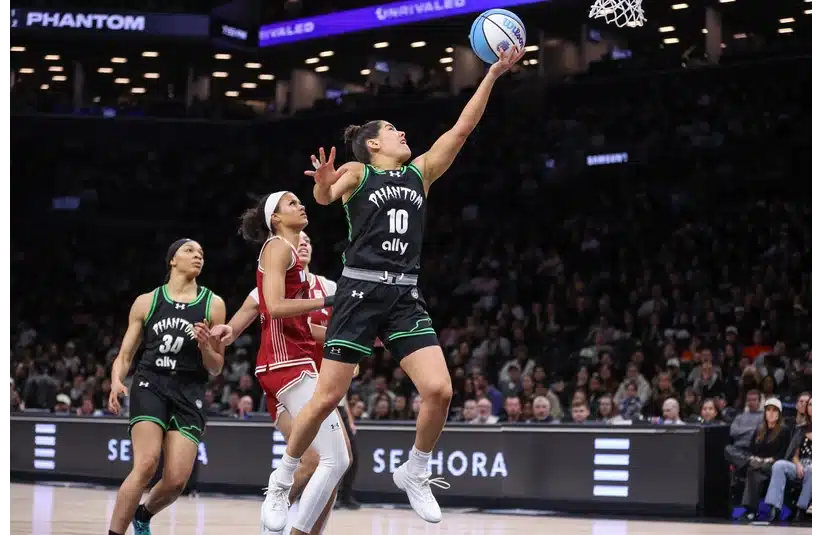
The WNBA offseason just got a lot more complicated, and not because of trades or free agency. Kelsey Plum and Breanna Stewart, two of the league’s most prominent voices, sent a private three-page letter directly to WNBPA executive director Terri Jackson on Monday, raising serious concerns about how the players’ union is handling negotiations over the collective bargaining agreement. The letter, obtained by ESPN, triggered an immediate all-player meeting and sent shockwaves through the league.
This isn’t a minor procedural spat. When two sitting members of the executive committee go on record questioning their own union’s approach, it signals something deeper is going on. Here’s a full breakdown of what happened, what the players are saying, and what comes next.
How We Got Here
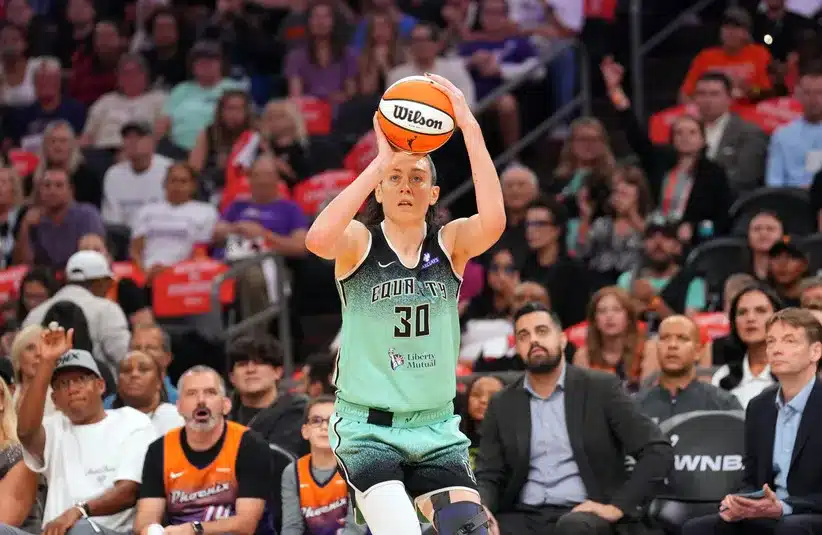
To understand the letter, you need to understand the timeline leading up to it.
In October 2024, the WNBPA opted out of the existing CBA, kicking off what was supposed to be a fresh round of negotiations over pay, benefits, travel conditions, and revenue sharing. Those talks have since stalled. Months have passed without a meaningful resolution, and frustration has been building behind the scenes.
That frustration finally boiled over in early March 2026, when Plum and Stewart drafted and delivered their letter to Jackson. ESPN published its reporting on March 3rd, the same day the union moved to schedule an all-player meeting to address the fallout.
What the Letter Actually Says
The letter’s core message is straightforward: players don’t feel like they have “an adequate seat at the table” during negotiations.
Plum, who serves as first vice president of the WNBPA, and Stewart, a vice president, specifically called out what they described as a disconnect between union administrators and the players they’re supposed to represent. They asked for a “changed dynamic”, a shift in how leadership communicates with players throughout the bargaining process.
This isn’t a personal attack on Terri Jackson. It’s a structural critique. The players want more direct involvement in decisions that affect their livelihoods, and they put that request in writing.
The Reaction
Once the letter went public, social media moved fast. Players and fans rallied behind Plum and Stewart’s call for greater transparency and player input. Analysts framed it as a symptom of a broader problem, a negotiation process that hasn’t moved fast enough and hasn’t kept players informed along the way.
The WNBPA‘s response? Scheduling an all-player meeting. That’s the clearest sign yet that leadership is taking the letter seriously. No detailed public rebuttal had been released at the time of initial reporting, which only added to the intrigue.
What’s at Stake
The issues on the table in this CBA aren’t small. Player salaries, revenue sharing, travel accommodations, and scheduling, these are the conditions that define what it actually looks like to play professional basketball in the WNBA. The league has grown significantly in popularity, and players have been pushing hard for compensation that reflects that growth.
Internal divisions don’t help that cause. If Plum, Stewart, and other players can’t align with union leadership on how to negotiate, it makes the actual negotiation with the league that much harder.
What Happens Next
The all-player meeting is the immediate next step. That forum will give executive committee members a chance to lay out their concerns directly, and give union leadership an opportunity to respond.
From there, a few outcomes are possible:
- A revised player-involvement plan that gives athletes more direct input during bargaining sessions
- Clarified negotiation roles between union administrators and player representatives
- A public statement from the WNBPA outlining a path forward
The best-case scenario: the meeting clears the air, both sides align on the process, and substantive bargaining with the league accelerates. The worst case: internal tensions deepen, public trust in the union takes a hit, and the path to a new CBA gets longer and bumpier.
The Bottom Line
Plum and Stewart didn’t go public to cause drama. They went public because private conversations weren’t producing results. That’s a calculated move, and a risky one, from two players who clearly felt the situation had reached a breaking point.
The WNBA and its players are at a pivotal moment. The sport is growing, the audience is engaged, and the pressure to get this CBA right has never been higher. Whether the union can resolve this internal friction quickly will go a long way toward determining how the next chapter of WNBA labor relations plays out.
This story is still developing. More details are expected to emerge from the all-player meeting, and further statements from both sides will clarify what comes next. Stay tuned.
