Lisa Leslie’s Stark Warning About Caitlin Clark Injury in 2025 Could Save Her Career

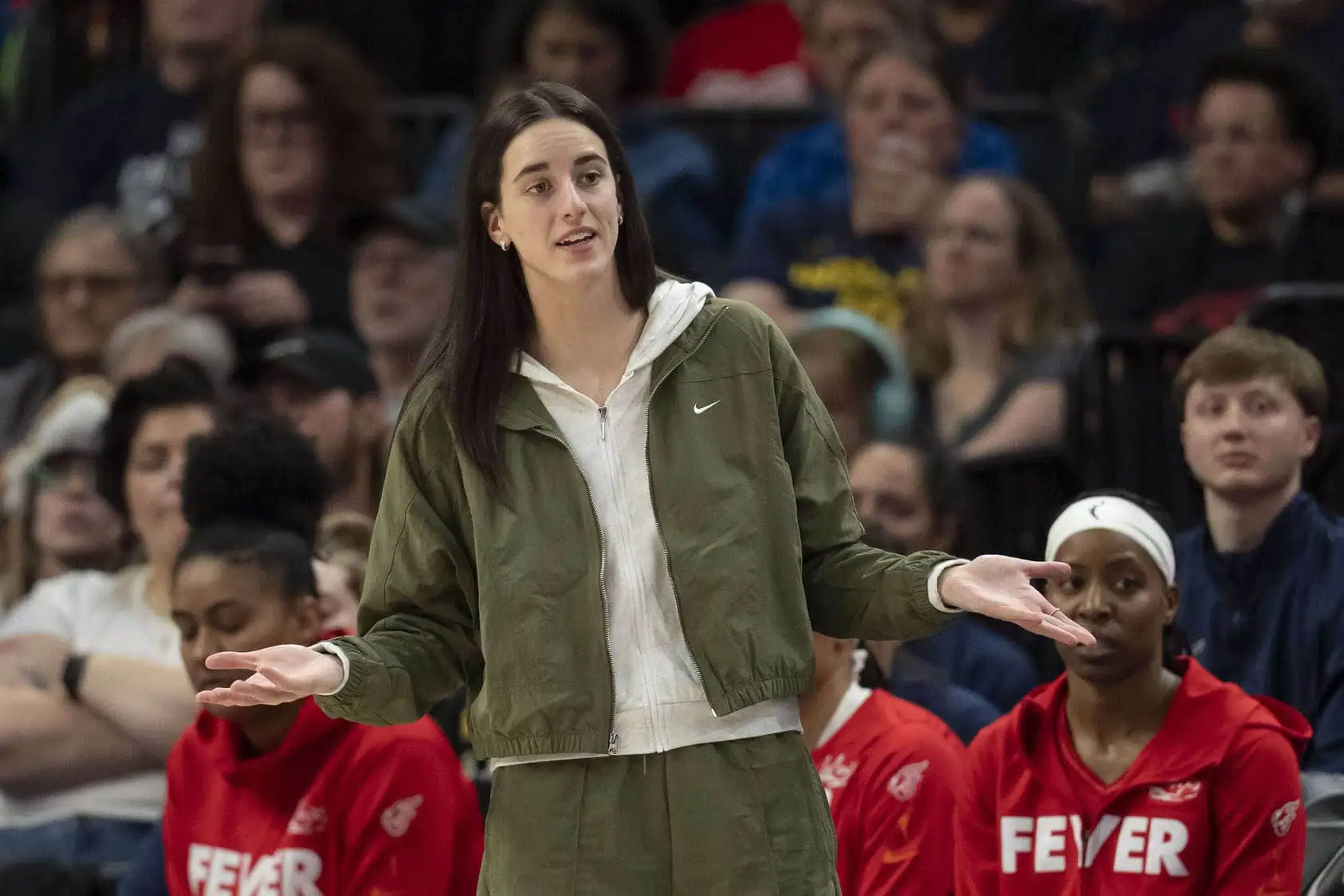
The silence from Gainbridge Fieldhouse has been deafening after the Clark injury. For over a month now, the arena that once buzzed with electricity every time Caitlin Clark stepped on the court has felt hollow, incomplete. The rookie sensation who transformed women’s basketball hasn’t suited up since July 15, when a groin injury abruptly ended what many considered the most electrifying debut season in WNBA history.
But it’s not just any voice calling for caution regarding the Clark injury – it’s Lisa Leslie, a name that carries the weight of three WNBA championships and two Olympic gold medals. When Leslie speaks about injury management, people listen. And what she’s saying should make every Fever fan, every Clark supporter, and especially the Indiana front office take a long, hard look in the mirror.
The Voice of Experience Speaks Truth
Leslie didn’t mince words during her Tuesday night appearance on ESPN. Her message was crystal clear, delivered with the gravity that only comes from someone who’s lived through the same nightmare.
“You want to see Caitlin Clark for the longevity of her career,” Leslie said, her voice carrying the weight of hard-earned wisdom. “Me personally, I would not put her back on the floor this season. And the only reason why I say that is because I had the injury she had – you make one move, one cut, and she’s back in the same spot.”
Those words hit different when they come from someone who knows. Leslie didn’t just read about groin injuries in medical textbooks or hear about them from team doctors. She felt the sharp, breath-stealing pain that stops you dead in your tracks. She experienced the frustration of false hope, the cruel cycle of feeling better only to reaggravate the injury with one wrong step.
The Clark injury isn’t just about missing games – it’s about the future of women’s basketball’s brightest star.
Understanding the Brutal Reality of Groin Injuries
Groin injuries are particularly nasty beasts in the world of basketball. Unlike a sprained ankle or even a broken bone, they’re deceptive. They lull you into thinking you’re ready when you’re not. The pain subsides, mobility returns, and suddenly everyone’s asking when you’ll be back. But the muscle fibers, the tendons, the intricate network that allows explosive movement – they need time to truly heal.
For a player like Clark, whose game depends on lightning-quick cuts, explosive drives to the basket, and the ability to change direction on a dime, a groin injury is especially problematic. Her signature moves – that step-back three that leaves defenders grasping at air, those impossible passes that thread between multiple defenders – all require the kind of core stability and hip mobility that a compromised groin simply cannot provide.
The statistics around groin injury recurrence are sobering. Studies show that athletes who return too early face a 70% chance of re-injury within the first month. For a 22-year-old whose career could span the next 15 years, those aren’t odds worth taking.
The Pressure Cooker of Expectations After this Clark Injury
The pressure surrounding Clark’s return is unlike anything we’ve seen in women’s sports. Television ratings have plummeted in her absence. The Fever’s playoff hopes hang in the balance. Ticket sales have dipped. Corporate sponsors are getting antsy. It’s the kind of pressure that makes teams do stupid things.
But here’s where Leslie’s experience becomes invaluable. She’s been the face of a franchise. She’s felt the weight of an entire league on her shoulders. She understands that sometimes the hardest decision is the right decision.
The Fever currently sit at 20-18, clinging to the sixth playoff spot with six games remaining in the regular season. It’s tempting to think that the return from this Clark injury could be the difference between making the playoffs and watching from home. But what good is a playoff appearance if it costs Clark her long-term health?

What the Medical Timeline Really Means for the Clark Injury
When Fever coach Stephanie White outlined what needs to happen before Clark returns, she painted a picture of a player who’s nowhere near game-ready. White wants to see Clark in full practice, handling contact, maintaining endurance through fatigue – all reasonable demands that suggest we’re talking weeks, not days.
“I want to see her continue to work to not just build endurance, but to be able to handle contact 94 feet as it’s going to be in-game,” White explained. “That’s going to take multiple practices to make sure that there’s no regression.”
The keyword there is “regression.” It’s medical speak for re-injury, for taking steps backward, for potentially turning a manageable injury into a career-altering problem.
The Bigger Picture of Her Career with this Clark Injury
This is where emotion meets logic, where short-term desires clash with long-term wisdom. Clark has already missed 25 of Indiana’s 38 games this season due to various injuries. Her body is telling a story, and it’s not a pretty one. At 22, she shouldn’t be dealing with this many physical setbacks.
In her 13 games this season, Clark averaged 16.5 points, 8.8 assists, and 5.05 rebounds – numbers that hint at the superstar she could become with a healthy body and a full season. Those glimpses of brilliance make her absence even more painful, but they also make the argument for patience even stronger.
The women’s game has never had a player quite like Clark – someone who can single-handedly change television ratings, sell out arenas, and inspire the next generation of players. That kind of talent doesn’t come around often, and when it does, you protect it at all costs.
Leslie’s warning about the Clark injury isn’t just about this season or even next season. It’s about preserving a generational talent for the decade-plus career that could reshape women’s basketball forever. Sometimes the bravest thing you can do is admit that the biggest risk is taking any risk at all.