
From Melbourne to New York: Craig Tiley’s Massive Power Play Shakes Up the USTA

If you felt a tremor ripple through the tennis world this week, you weren’t imagining things. In a move that feels less like a corporate hiring and more like a blockbuster trade deadline acquisition, Craig Tiley is reportedly packing his bags. After two decades of turning the Australian Open into the players’ favorite major, Tiley is leaving his post Down Under to take the reins as the new president and CEO of the United States Tennis Association (USTA).
This isn’t just an administrative shuffle; it’s a seismic shift in the sport’s global power structure. Tiley has long been viewed as one of the most astute operators in the game, and his arrival on American soil signals that the USTA is ready to play hardball in an increasingly fractured tennis landscape.
The Details Behind the Move
According to reports from The First Serve and Sportico, the ink is all but dry. While whispers of this transition began circulating late in 2025, they reached a fever pitch during this past January’s Australian Open. Now, it appears the deal is done. Tiley, who has served as the CEO of Tennis Australia since 2013 and the face of the Australian Open for even longer, is set to step into the most influential role in American tennis.
For the USTA, landing Tiley is a massive coup. They aren’t just getting an administrator; they are getting a visionary who understands the modern entertainment landscape. The USTA is expected to make the official announcement within days, but the reaction from insiders is already clear: the US Open just got a serious upgrade in leadership.
A Resume Built for the Big Stage
To understand why this matters, you have to look at what Tiley built in Melbourne. He took a tournament often considered the “fourth” Grand Slam—plagued by heat issues and time zone conflicts—and turned it into the “Happy Slam.”
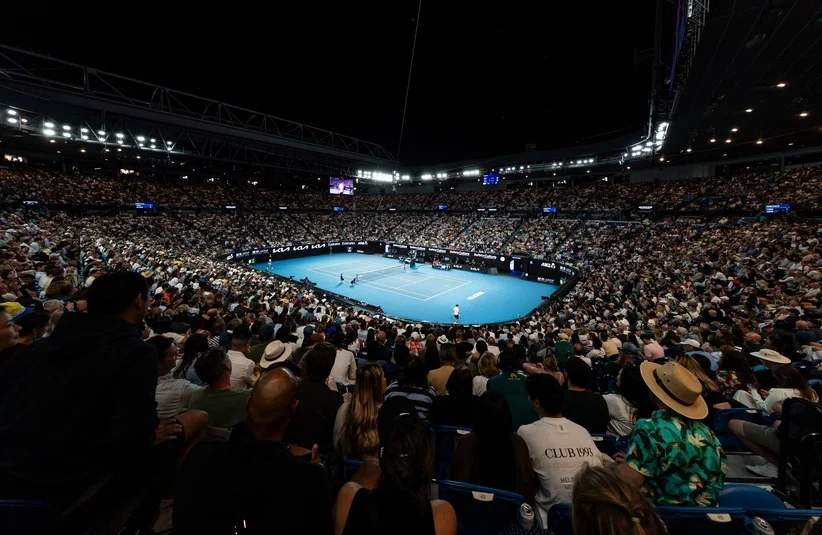
Under his watch, the Australian Open underwent massive infrastructure upgrades, including three roofed stadiums that virtually guaranteed play regardless of the weather. But his real genius was in player relations. Tiley understood before anyone else that if you treat the talent like royalty, the product on the court improves. He prioritized player comfort, purse increases, and facility upgrades that set the standard for the other three majors.
The USTA is undoubtedly looking at that track record and salivating. The US Open is a commercial juggernaut, sure, but it has faced criticism in the past for scheduling disasters and a corporate-first mentality. Bringing in a player-first leader like Tiley could bridge that gap instantly.
Navigating The Tennis Civil War
The timing of this appointment is fascinating. We are currently living through the “Wild West” era of professional tennis. You have the ATP and WTA tours trying to fend off potential mergers, the rise of private equity investment, and the looming threat of new, rebel leagues funded by massive sovereign wealth funds.
The USTA needs a wartime general, and Tiley fits the bill. He steered the Australian Open through the nightmare of the COVID-19 pandemic—navigating government lockdowns and player quarantines to ensure the event actually happened when the rest of the sports world was shut down. That level of crisis management is exactly what American tennis needs as it faces external pressures from rival tours and internal pressures to modernize.
The Australian Hangover
While champagne corks are likely popping at USTA headquarters, the mood in Melbourne is undoubtedly somber. Tiley was more than a CEO; he was the identifiable face of Australian tennis. His departure leaves a massive leadership vacuum at the top of Tennis Australia right as they look to continue their global expansion.
Fans and commentators Down Under are already expressing a mix of gratitude and anxiety. Replacing an executive who can seamlessly move between the boardroom, the locker room, and the broadcast booth is a tall order. The Australian Open will survive, of course, but its identity is bound to shift in the post-Tiley era.
FAQ
Q: What happened with Craig Tiley?
A: Reports confirm he will leave his role at the Australian Open to become president and CEO of the USTA.
Q: Why is this significant?
A: Tiley is one of the most influential administrators in tennis, and his move shifts leadership dynamics across the sport.
Q: Who is involved?
A: Craig Tiley, the USTA leadership, and Tennis Australia.
Q: What are the next steps?
A: A formal announcement is expected soon, followed by leadership transitions in both organizations.
What’s next for the USTA?
Expect Tiley to hit the ground running. His mandate will likely be threefold: solidify the US Open’s commercial dominance, unify the often-fractured American tennis development system, and ensure the USTA has a loud voice at the table during upcoming negotiations about the future of the sport.
For years, the Grand Slams have operated somewhat independently. With Tiley—a man who knows the inner workings of the “Happy Slam” better than anyone—now running the show in New York, we might see a new era of cooperation between the majors. Or, we might see the US Open attempt to pull even further ahead of the pack. Either way, one thing is certain: American tennis just got a lot more interesting.
