
“We Aren’t Zoo Animals”: Iga Swiatek Slams Invasive Cameras at Australian Open

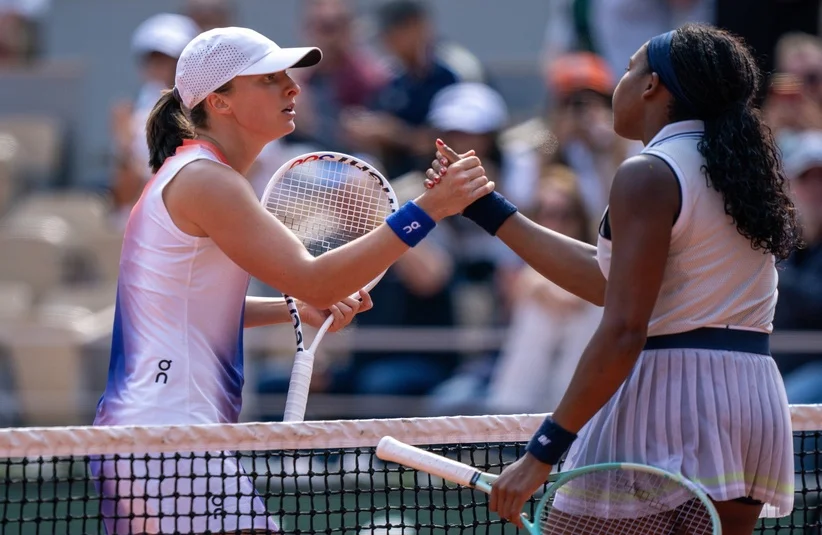
Imagine you’ve just had the worst day at work. You didn’t just fail; you failed in front of thousands of people. You walk into the breakroom, trying to hold it together, maybe let out a frustrated sigh or kick a trash can, thinking you’re alone. Then, you realize a camera has been pointed at you the whole time, broadcasting your breakdown to the entire world.
That is exactly the reality facing top tennis stars today, and frankly, they have had enough. The Australian Open recently became the epicenter of a heated debate regarding athlete privacy. It started with a viral video of Coco Gauff and exploded when Swiatek—the Polish powerhouse and four-time major champion—stepped in to draw a hard line in the sand. The message is clear: the drive for “content” has gone too far.
The Moment Gauff Tried to Hide
The controversy kicked off following Coco Gauff’s tough quarterfinal loss to Elina Svitolina. Gauff, known for her composure and sportsmanship, did exactly what we expect role models to do: she waited until she was off the court to vent her frustration.
She found what looked like a secluded ramp area, away from the fans and the noise, and smashed her racket. It was a raw, human moment of disappointment. Gauff later explained that she didn’t want to break the racket on the court because she didn’t want to set a bad example for kids watching. She tried to do the right thing.
But it didn’t matter. A camera was positioned in that “secluded” hallway. The footage was captured, uploaded, and circulated instantly. The internet devoured it, dissecting her anger as if it were part of the match itself. Gauff felt that her attempt at finding a private space to decompress was completely compromised, and it’s hard to argue against her.
Swiatek Calls Out the “Zoo” Culture
While Gauff was the subject of the video, it was Swiatek who provided the voice of reason that resonated across the tennis world. When asked about the situation after her own heartbreaking loss to Elena Rybakina, Swiatek didn’t hold back.
She dropped a quote that will likely stick to this tournament for years: “Are we tennis players or animals in the zoo where they are observed even when they poop? It would be nice to have some privacy.”
It’s a sharp, slightly humorous, but ultimately stinging critique. Swiatek highlighted a growing problem in modern sports: the dehumanization of athletes for the sake of entertainment. She knows this feeling all too well. Earlier in the tournament, a video of Swiatek getting stopped by security because she forgot her credential went viral. To the internet, it was a funny meme. To Swiatek, it was yet another reminder that the cameras never blink.
By backing Gauff, Swiatek isn’t just complaining about cameras; she is advocating for basic human dignity. She is asking where the line is drawn between a professional athlete performing a job and a human being living their life.
The Cost of “All-Access” Entertainment
We have to look at why this is happening. Tournaments like the Australian Open are in an arms race for engagement. They aren’t just selling tennis matches anymore; they are selling a festival, a reality show, and an “experience.”
Organizers want to give fans a peek behind the curtain. They want the “Drive to Survive” effect, where the drama backstage is just as valuable as the forehands on the court. Cameras now follow players from the locker room to the practice courts and down the hallways.
But at what cost? Sports analysts and psychologists are starting to ring the alarm bells. While this content drives clicks and likes, it puts athletes in a state of hyper-vigilance. If you can’t relax after a loss, if you can’t cry, scream, or just sit in silence without worrying about becoming a GIF, your mental health is going to suffer.
Swiatek and Gauff are essentially arguing that the sport is cannibalizing its own stars. If the pressure to be “on” never stops, burnout is inevitable.
What Needs to Change?
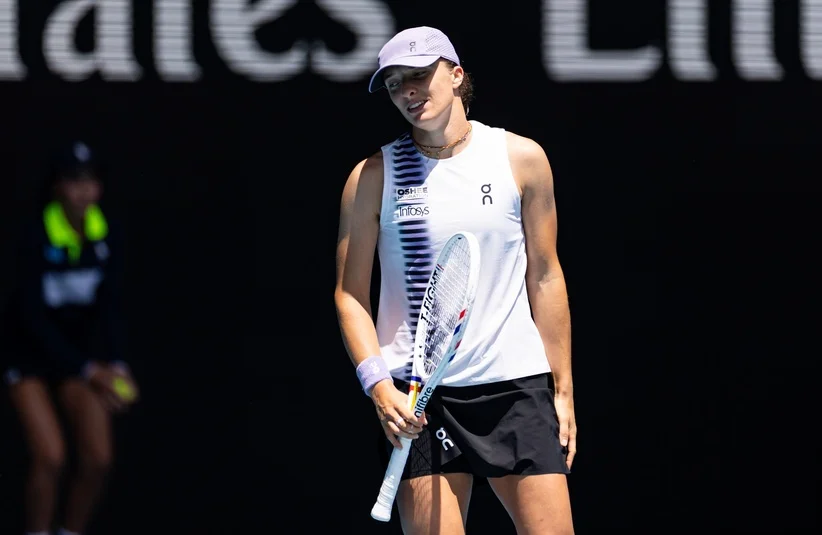
The backlash from Swiatek and Gauff has forced a conversation that tennis officials can no longer ignore. It’s likely that we will see a shift in policy—or at least, we should.
The solution isn’t to ban cameras entirely. Fans love the sport, and seeing the players prepares creates a connection. However, there must be designated “safe zones.” Athletes need a physical space where they are guaranteed privacy—a sanctuary where they can be people, not products.
The Australian Open and other Grand Slams are now under pressure to review their backstage protocols. If they don’t, they risk alienating the very talent that fills the seats.
As this debate moves forward, one thing is certain: Swiatek and Gauff have proven that the new generation of tennis stars isn’t afraid to speak up. They understand that while they owe the fans their best performance on the court, they don’t owe the world every second of their private lives off of it.
FAQ Section
Q: What happened at the Australian Open?
A: Coco Gauff’s private frustration after her quarterfinal loss was captured on camera and went viral, sparking debate.
Q: Who is involved?
A: Coco Gauff and Iga Swiatek, two of the top-ranked women’s tennis players.
Q: Why is this news important?
A: It raises questions about athlete privacy, mental health, and the balance between entertainment and respect.
Q: What are the next steps?
A: Tournament organizers may consider restricting camera access in certain areas to protect player privacy.
