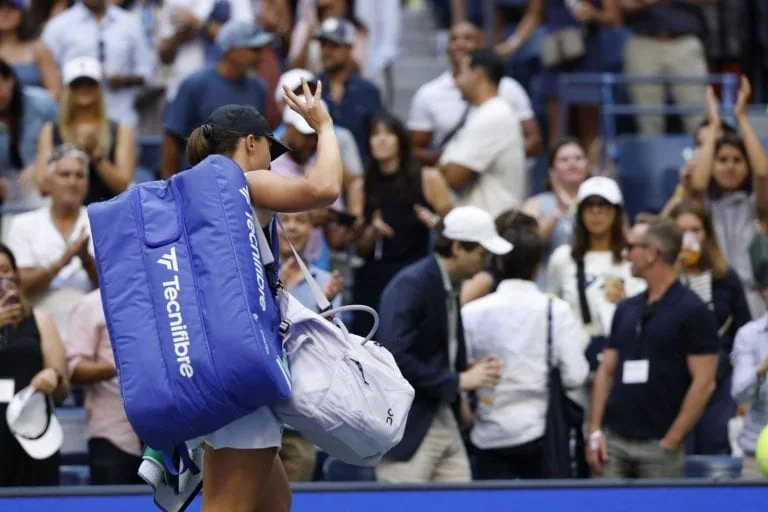

Elina Svitolina Hits Back at “Shameful” Bettors After Canadian Open Defeat

The tennis world can be brutal sometimes, not just on the court but clearly off it too. Elina Svitolina, a celebrated athlete and former world number three, recently found herself facing a barrage of online abuse after her semi-final defeat at the Canadian Open. Oh, and I don’t mean people questioning her performance or the usual trolling. Nope, we’re talking death threats. The culprits? Furious bettors who apparently couldn’t handle losing because, you know, personal accountability is too much to ask.
Svitolina’s Defeat and the Fallout
Svitolina faced off against Naomi Osaka in the semi-finals, and it wasn’t one of her finest moments on the court. Osaka handily defeated her 6-2, 6-2 in a match that highlighted why she’s a four-time Grand Slam winner. But here’s the kicker—not everyone simply processed the match as a loss and moved on. Disgruntled gamblers, who presumably bet more money than they could afford, thought it was a grand idea to direct their rage at Svitolina and her family.
Taking it to Instagram, Svitolina didn’t mince her words. “To all the bettors: I’m a mom before I’m an athlete,” she wrote, pointing out that much of the hate she received wasn’t just shameful but downright appalling. Screenshots of these messages revealed everything from personal insults to actual threats. Classy, right?
“The way you talk to women—to mothers—is SHAMEFUL. If your moms saw your messages, they’d be disgusted,” she added. Hard to argue with that logic. Honestly, if you’re more upset about losing a bet than someone’s actual safety, maybe it’s time to rethink your life choices.
Betting’s Toxic Grip on Tennis

This isn’t the first time tennis players have been targeted by bettors, nor will it be the last if things continue the way they are. Last year, a comprehensive study revealed that almost half of the abuse thrown at tennis players on social media could be traced back to angry gamblers. Yes, you read that right: half.
French player Caroline Garcia also spoke out about the issue after her U.S. Open exit last year, calling “unhealthy betting” one of the primary culprits for the abuse players endure. She mentioned how young players, still emotionally vulnerable, could struggle to handle the venomous comments hurled at them online.
While betting gives fans a little added thrill, the implications for athletes are downright ugly. Players like Svitolina become the scapegoats for someone’s poor decision-making when the stakes (pun intended!) don’t fall in their favor. It’s not just unprofessional; it’s inhuman.
A War of Words Amid an Actual War
And if we needed another example of how tone-deaf these bettors are, some chose to sink even lower by referencing the war in Svitolina’s home country, Ukraine. How is this relevant to a tennis match, you ask? It’s not, at all. Yet some keyboard warriors felt the need to take cheap shots at her nation’s struggles just because their money was apparently more important than basic decency.
To add some context here, Svitolina has been an outspoken advocate for Ukraine amid the ongoing conflict with Russia. She recently balanced her athletic commitments with motherhood and has done so with remarkable grace despite the pressures. And now she’s subjected to this nonsense amongst everything else? No wonder she’s calling out the “shameful” behavior.
Social Media’s Role in This Mess
Here’s the thing. This abuse isn’t just a tennis problem; it’s deeply tied to social media platforms’ utter failure to regulate their spaces properly. Sick of hearing this yet? We all are. Platforms like Instagram, Twitter (or X, or whatever Elon Musk is calling it now), and others say all the right things about combating hate speech. But when it comes to action? Crickets.
Blocking accounts after incidents like this feels like slapping a Band-Aid on a bullet wound. It’s barely helping. For athletes like Svitolina, who need social media to connect with fans and maintain sponsorships, walking away from it isn’t even a realistic option.
Hate Won’t Win
Svitolina is taking a stand, proving once again that she’s not the type to back down—from challenges on or off the court. And she’s not alone. Tennis governing bodies have vowed to tackle this growing issue within the sport, though only time will tell if their measures go beyond lip service.
Her story isn’t just about calling out bad behavior; it’s about shining a spotlight on something we should all care about. Gamblers can pretend to be victims all they want, but when their losses translate into violent threats, it’s clear who the real victims are.
If you’re finding yourself on the edge of your seat bet-wise, maybe take a step back and reevaluate before hitting send on that rage-fueled DM. Spoiler alert: it’s not going to make you feel any better or change the scoreboard.
Final Thoughts
Elina Svitolina deserves applause, not just for her career or handling a tough loss, but for standing up against the ridiculousness of online abuse. No athlete, or human being for that matter, should have to deal with this level of harassment.
And to those “shameful” bettors? Well, if you can’t take the heat, maybe it’s time you stop gambling. The court is Svitolina’s domain—not your outlet for frustration. Svitolina’s story should remind us that while tennis might be a game, respect and humanity aren’t optional. Keep that in mind next time you place a bet.