
Saudi Arabia Lands New ATP Masters 1000 Event Starting 2028—Here’s What It Means for Tennis

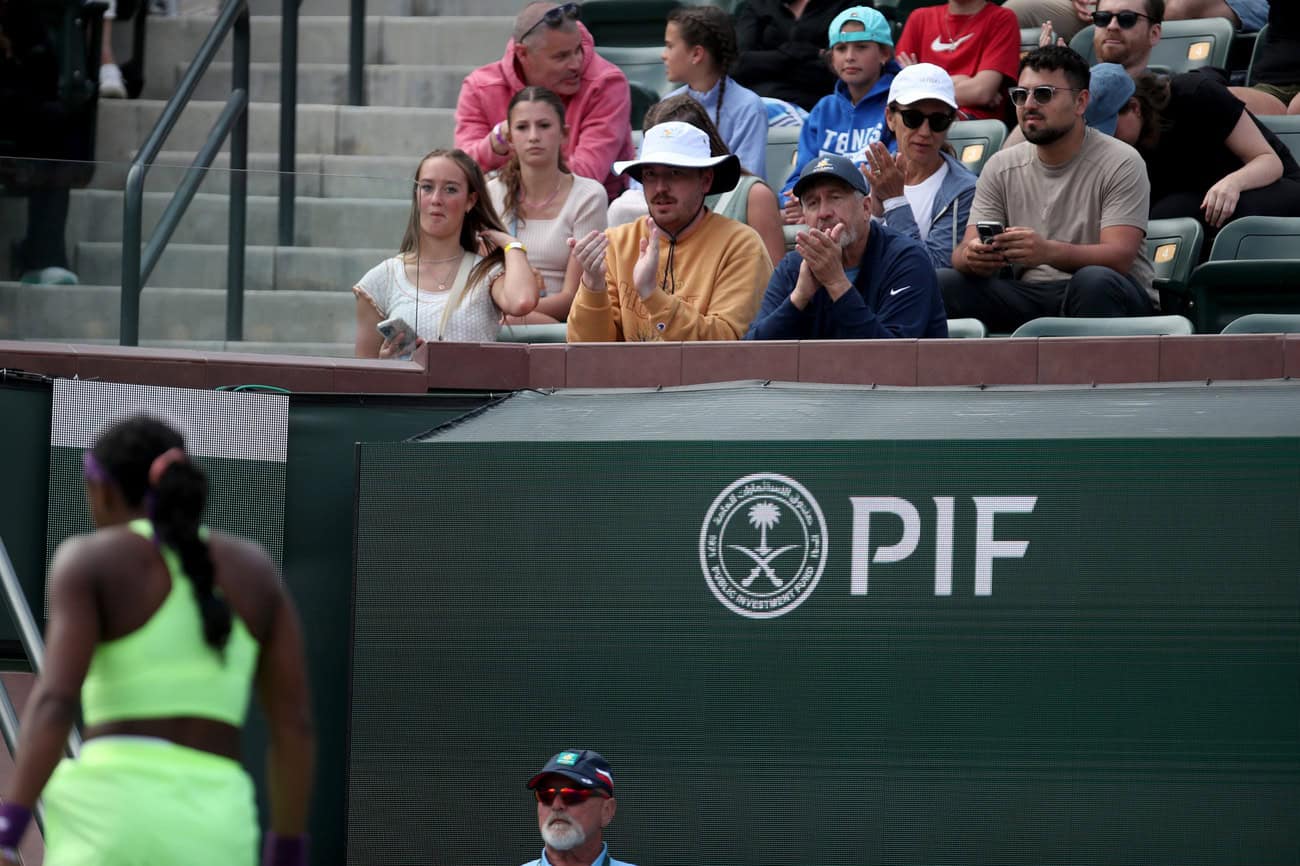
Well, well, well. Just when you thought the tennis calendar couldn’t get any more packed, the ATP goes ahead and drops this bombshell: Saudi Arabia is getting its very own Masters 1000 tournament starting in 2028. Yes, you read that right. A tenth Masters event. Because apparently, nine wasn’t quite enough to keep everyone busy from March through November.
The announcement came on October 23, and honestly, the timing is almost comedic. ATP Chairman Andrea Gaudenzi has been talking about shortening the calendar and giving players a longer off-season. Meanwhile, he’s simultaneously rolling out the red carpet for another massive tournament. It’s like saying you’re going on a diet while ordering a double cheeseburger with extra fries. The contradiction isn’t lost on anyone paying attention.
What’s the Deal with This New Tournament?
Let’s break down what we actually know about this shiny new addition to the tennis world. The deal between the ATP and SURJ Sports Investments—a branch of Saudi Arabia’s Public Investment Fund—is reportedly worth around £400 million (yes, that’s million with an M). For context, that’s enough money to make your head spin faster than a Nadal forehand.
The tournament will be played on hard courts and is set to debut sometime in 2028. The exact dates are still up in the air, but the plan seems to be slotting it in at the start of the season, possibly in February alongside existing Middle Eastern events like Dubai and Doha. The field will feature 56 players competing over one week, with a prize purse of £5.5 million and a cool £1 million going to the champion. Unlike some exhibition events (looking at you, Six Kings Slam), this one won’t feature appearance fees—it’ll operate just like Monte Carlo in that respect.
Here’s the kicker though: it’s going to be non-mandatory. That means players can actually choose whether or not to show up, which is honestly a relief given how exhausted everyone seems to be these days.
How Does This Fit Into Saudi Arabia’s Growing Tennis Portfolio?

If you’ve been following tennis even casually over the past few years, you’ve probably noticed Saudi Arabia’s name popping up more and more. This isn’t their first rodeo. The kingdom has been steadily building its tennis presence as part of Crown Prince Mohammed bin Salman’s Vision 2030 initiative—an ambitious plan to diversify the country’s economy beyond oil.
The WTA Finals now call Riyadh home since 2024. The Next Gen ATP Finals have been held in Jeddah since 2023. And just last week, the Six Kings Slam wrapped up with Jannik Sinner pocketing a casual $6 million (not too shabby for a week’s work). The Public Investment Fund has also attached its name to the ATP rankings and formed partnerships with several existing Masters 1000 tournaments including Indian Wells, Miami, and Madrid.
A Saudi source close to the deal put it bluntly: “Tennis is one of the sports that we think will grow massively. There is already a lot of infrastructure in Saudi Arabia… It ticks all the boxes.”
The Elephant in the Room: Player Burnout
Now here’s where things get messy. While the ATP is busy expanding its footprint and signing lucrative deals, players have been increasingly vocal about feeling overworked and burned out. The 2025 season has been brutal—injuries are piling up, withdrawals are becoming routine, and late pullouts are practically expected at this point.
Carlos Alcaraz didn’t mince words when he said: “I think that the schedule is really tight. They have to do something with the schedule. I think there are too many mandatory tournaments, too many in a row.” And he’s not alone in feeling this way.
After Holger Rune’s scary Achilles injury at the Nordic Open, his mother Aneke called tennis a “relentless treadmill.” Jack Draper vented on X (formerly Twitter): “Injuries are going to happen… we are pushing our bodies to do things they aren’t supposed to in elite sport.” Taylor Fritz jumped into the conversation too: “Facts, also seeing more injuries and burnout now than ever before because balls, courts, conditions have slowed down a lot.”
Frances Tiafoe was perhaps even more blunt in a 2024 vlog filmed before Brisbane: “I hate leaving on Christmas Day. I think it’s a joke.” He went on to admit he’d rather spend holidays at home with friends and family because he’s “a very normal guy.” Can you blame him?
The current tennis season wraps up on November 23 and starts again on January 2—that’s barely 40 days of rest before everyone’s back on court grinding it out again.
So How Does Adding Another Tournament Help Anyone?
Great question! And honestly? The answer is… complicated. On one hand, Gaudenzi insists that this new Saudi event will be non-mandatory and only last one week instead of dragging on for 12 days like some other tournaments. He’s also talking about “calendar optimisation” and reducing the total number of events overall.
But let’s be real here: adding another high-profile tournament while simultaneously claiming you want to lighten the load doesn’t exactly inspire confidence. Gaudenzi himself admitted it’s “extremely complex” because of tennis’s fractured governance structure with different entities and stakeholders all pulling in different directions.
He did make one interesting point though: “It’s also a hard conversation with the players to say that we play too much when ultimately, in reality, they choose when and where to play.” Which… okay, fair enough. But when so many events are mandatory or strongly encouraged (hello, ATP points!), how much choice do players really have?
The Australian Open Isn’t Thrilled Either
When news first broke about this potential Saudi Masters back in late 2023, Australian officials were understandably concerned. The initial proposal suggested making it a season opener, which would directly compete with—or at least steal some thunder from—the Australian Open, which is traditionally the year’s first Grand Slam.
The latest thinking seems to be positioning it in February instead, which would still keep it in that early-season window but wouldn’t directly clash with Melbourne. That said, it could mean trimming a couple of indoor events in Europe or the United States to make room.
What Happens Next?
With two years still to go before this tournament actually launches, there’s plenty of time for things to change—or for people to change their minds entirely (though with £400 million on the table, don’t hold your breath). The exact timing and location within Saudi Arabia still need to be confirmed.
Gaudenzi called this “a proud moment” and “the result of a journey that’s been years in the making.” Danny Townsend, CEO of SURJ Sports Investments, echoed that sentiment by saying this aligns perfectly with Vision 2030 and demonstrates “long-term vision and ambition to grow tennis globally.”
Whether or not you buy into that narrative probably depends on how you feel about sportswashing (a term that gets thrown around a lot these days) versus genuine investment in growing sports infrastructure globally.
Final Thoughts
Look, I’m not going to sit here and pretend this isn’t complicated. On one hand, more prize money for players is objectively good—especially lower-ranked players who struggle financially. A £400 million injection into men’s tennis creates opportunities that didn’t exist before.
On the other hand? Players are exhausted. Injuries are mounting. And adding another high-profile event—even if it’s technically optional—just adds more pressure into an already jam-packed calendar.
The fact remains: this is happening whether we like it or not. The deal is signed; the money’s on the table; and come 2028 (or possibly earlier), we’ll have ourselves a brand-new Masters 1000 event under the desert sun.
Whether that ends up being great for tennis or just another symptom of an already bloated schedule remains to be seen. But hey—at least it gives us something new to argue about on Tennis Twitter for the next couple years.
