
Tension Down Under: Aryna Sabalenka and Elina Svitolina’s Silent Statement at the Australian Open

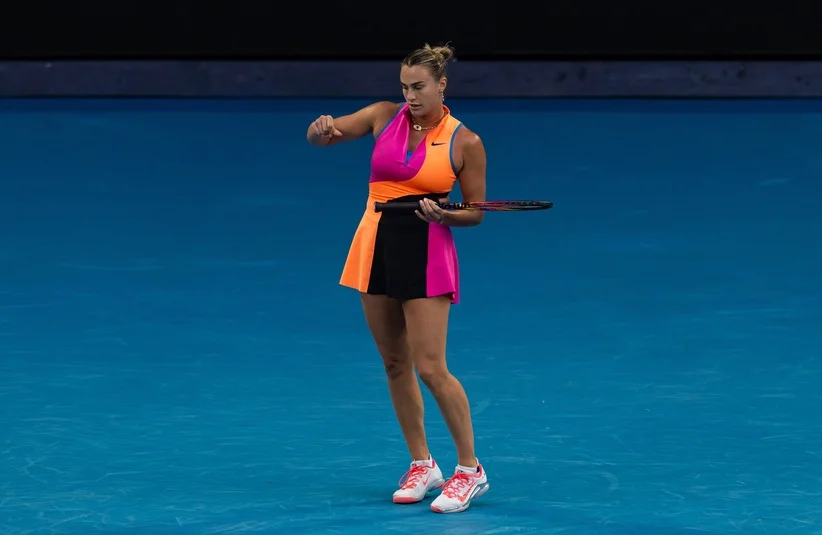
It’s often said that sport is an escape from the real world a place where the only conflict is the scoreline. However, at the 2026 Australian Open, reality came crashing onto center court in a moment that was arguably louder than the crowd itself. Following her semi-final victory, Aryna Sabalenka and her opponent, Ukraine’s Elina Svitolina, skipped the traditional post-match handshake.
For casual viewers tuning in just for the tennis, it might have looked like a simple snub. But for anyone following the sport over the last few years, this wasn’t just a missed formality; it was a heavy, loaded silence that speaks to the ongoing complexities of being an athlete in a fractured world.
The Moment the Cameras Didn’t Miss
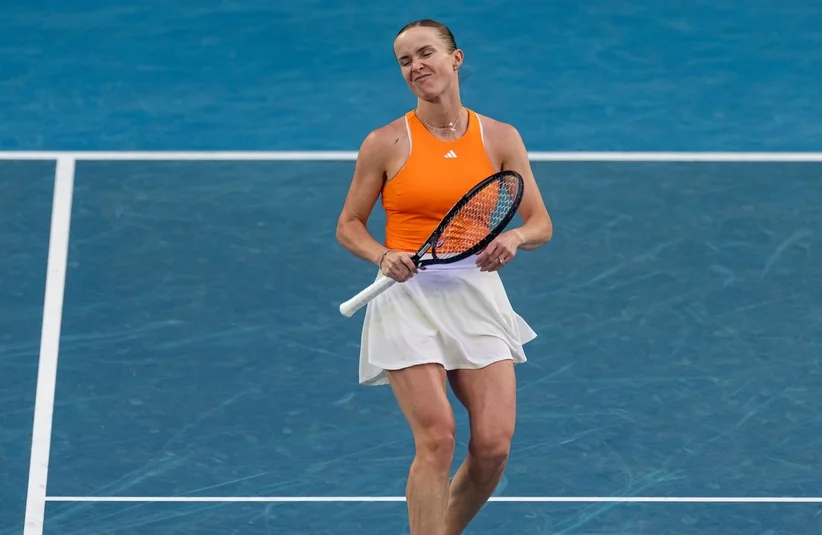
Let’s set the scene. You have Sabalenka, a powerhouse player from Belarus known for her blistering serves and aggressive baseline game. Across the net is Svitolina, a Ukrainian veteran who has become something of a symbol for her country’s resilience on the tour.
The match itself was high-stakes a semi-final at a Grand Slam is no small thing. Sabalenka played with her usual intensity and ultimately clinched the win to advance to the final. Usually, this is the part where the tension breaks. The winner smiles, the loser concedes, they meet at the net, tap rackets or shake hands, and the world moves on. Instead, both women walked past each other. No eye contact, no nod, no handshake.
It wasn’t a surprise, exactly. We’ve seen this before. But seeing it happen on one of the biggest stages in tennis, with millions watching, felt different. It was a stark reminder that while the match was over, the conflict influencing their decisions was very much ongoing.
Why the Handshake Matters (and Why It Doesn’t)
In tennis, the handshake is sacred. It’s the period at the end of the sentence. It signals respect, sportsmanship, and the closing of hostilities. When players refuse it, it jars us because it breaks the unwritten contract of the game.
But context is everything here. Since the conflict in Ukraine escalated, Ukrainian players have largely adopted a policy of not shaking hands with opponents from Russia or Belarus. Svitolina has been clear about this for a long time. For her, shaking hands isn’t just a polite gesture; it feels like a betrayal of her principles and her people back home. It is a silent protest, a way to keep the conversation about the war alive even when the cameras are focused on forehands and backhands.
On the other side, you have Sabalenka. She’s in an incredibly difficult position. She isn’t a politician; she’s an athlete. She has expressed frustration in the past about feeling targeted for her nationality something she has no control over. For Sabalenka, just showing up and playing is a gauntlet of scrutiny that most other players never have to face.
The Fan Debate: Respect vs. Reality
Go to any comments section on social media right now, and you’ll see the divide. One camp stands firmly with Svitolina. They argue that sport doesn’t exist in a vacuum. How can you expect a player to shake hands with someone representing a nation involved in the conflict affecting their home? For these fans, Svitolina’s refusal is an act of courage and consistency.
The other camp feels for Sabalenka. They argue that she is an individual, not a government representative. They believe the tennis court should be a neutral ground where politics are left in the locker room. To them, refusing a handshake feels like punishing an athlete for the actions of leaders she has no sway over.
Neither side is entirely wrong, which is what makes this so messy. It forces us to ask: Can we really separate the player from the person, or the person from the politics?
What This Means for the Final
The immediate aftermath is that Sabalenka’s victory feels slightly overshadowed. instead of talking about her serve placement or her mental toughness in the third set, we’re talking about what didn’t happen at the net.
As Sabalenka heads into the final, the spotlight will be blinding. Every interaction, every press conference answer, and every gesture will be analyzed. She has to compartmentalize all of this noise and try to win a Grand Slam title, which is a massive mental hurdle in itself.
Meanwhile, Svitolina leaves the tournament having made her point. She ensures that the comfortable bubble of professional tennis is pricked, forcing everyone—officials, fans, and fellow players—to acknowledge the uncomfortable realities outside the stadium.
The New Normal?
This incident at the Australian Open isn’t an isolated event; it’s part of a pattern we’ve seen at the French Open and Wimbledon. The governing bodies of tennis are in a bind. The International Tennis Federation has said players aren’t obligated to shake hands, but they also desperately want to maintain the image of unity and “gentlemanly” conduct the sport is built on.
We are likely looking at the new normal. As long as global tensions persist, the tennis court will continue to be a stage for these silent, powerful protests. It’s uncomfortable, yes. But maybe it should be.
FAQ Section
Q: What happened in the Sabalenka vs. Svitolina match?
A: Sabalenka defeated Svitolina in the Australian Open 2026 semi-final, but both players skipped the post-match handshake.
Q: Who is involved?
A: Aryna Sabalenka of Belarus and Elina Svitolina of Ukraine.
Q: Why is this news important?
A: The skipped handshake reflects ongoing political tensions and raises questions about sportsmanship in tennis.
Q: What are the next steps?
A: Sabalenka advances to the final, while the debate over handshakes and political gestures continues.
