
Naomi Osaka’s New Groove: How a Toddler and a Jellyfish Are Changing Her Game

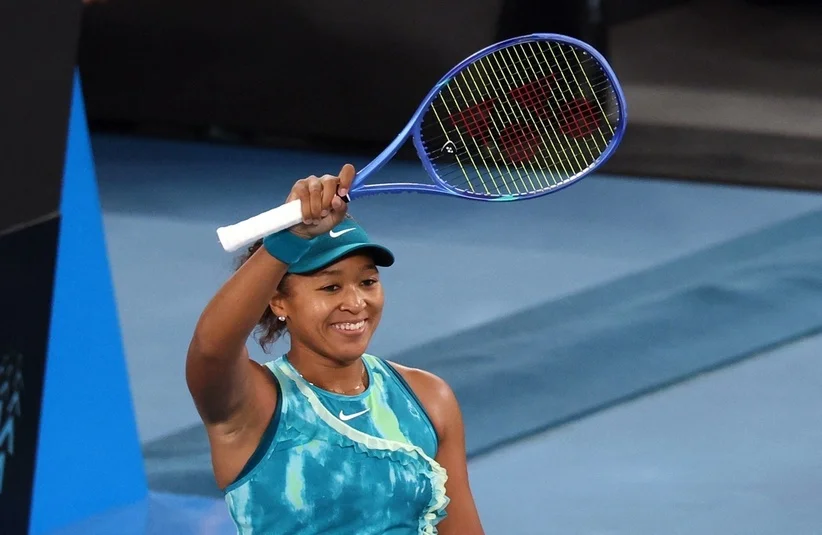
When you think of elite tennis, you usually picture rigid discipline, explosive power, and athletes coiled like springs. You don’t typically think of jellyfish. Yet, as the tennis world turns its eyes toward Melbourne for the Australian Open, Naomi Osaka is flipping the script. The four-time Grand Slam champion is back, but she’s not the same player she was before her maternity leave. She has returned with a new perspective, a new motivation, and a bizarrely named new stance: “the jellyfish and the butterfly.”
It sounds like a bedtime story, which is fitting, because the inspiration came from the most domestic of places—watching her toddler daughter play.
The Return of Naomi Osaka
Comebacks are never easy. In the world of professional sports, stepping away for any significant amount of time is risky. Stepping away to have a child, with the physical toll that takes on the body, is an even steeper mountain to climb. When Osaka announced her return, the questions were immediate and relentless. Would she still have her power? Would she be as fast? Could she keep up with the new generation of hitters?
Instead of trying to force her body back into its 2021 mold, Osaka chose evolution. She realized that trying to be the “old” Naomi wasn’t the path forward. She needed to be a new version of herself—one that incorporated the life changes she’s experienced over the last couple of years.
Decoding the “Jellyfish and Butterfly”
So, what exactly is this new stance? For years, Osaka was known for a lower, grounded, power-heavy baseline game. It was effective, but it was taxing.
The new approach is different. Osaka calls it “the jellyfish and the butterfly.” It involves a higher standing position and a focus on fluidity. If you picture a jellyfish in the ocean, it doesn’t fight the current; it pulses. It’s loose, but it has sting. The “butterfly” aspect suggests lightness on her feet—floating rather than stomping.
Technically speaking, this change is about energy conservation and readiness. By staying higher and more fluid, Osaka aims to react faster to the ball without the rigid tension that burns out muscles during three-hour matches in the Australian heat. It’s a move toward efficiency. She’s trading raw, brute force for a kind of kinetic intelligence.
How Osaka Found Inspiration in Motherhood
The most touching part of this story isn’t the biomechanics; it’s the origin. Osaka admits that this technical overhaul didn’t come from a high-priced consultant or a video analysis session. It came from being a mom.
She watched her daughter move—the way toddlers just bounce around with careless, boundless energy. There is no tension in a toddler’s movement. They are pliable and resilient. Osaka saw that freedom and realized her own game had become too stiff.
This narrative challenges the old-school idea that motherhood is a distraction for professional athletes. For Osaka, motherhood provided the essential clue to fixing a flaw in her game. It wasn’t a setback; it was the catalyst for innovation. She realized that to survive on the tour, she needed to adopt that same toddler-like flexibility.
What This Means for the Australian Open
The timing of this reveal is critical. The Australian Open is notoriously difficult. The courts are hard, and the weather can be brutal. Endurance is just as important as skill.
By adopting this “jellyfish” persona, Osaka is trying to solve the puzzle of longevity. A rigid body breaks under pressure; a fluid body adapts. If she can maintain this looseness through the early rounds, she might have more gas in the tank for the second week of the tournament.
Fans and analysts are currently split. Change is scary, and tinkering with a Grand Slam-winning technique is a massive gamble. But there is a palpable excitement in the air. Everyone wants to see if this hybrid style works against the heavy hitters of the tour.
A New Era for Athlete Reinvention
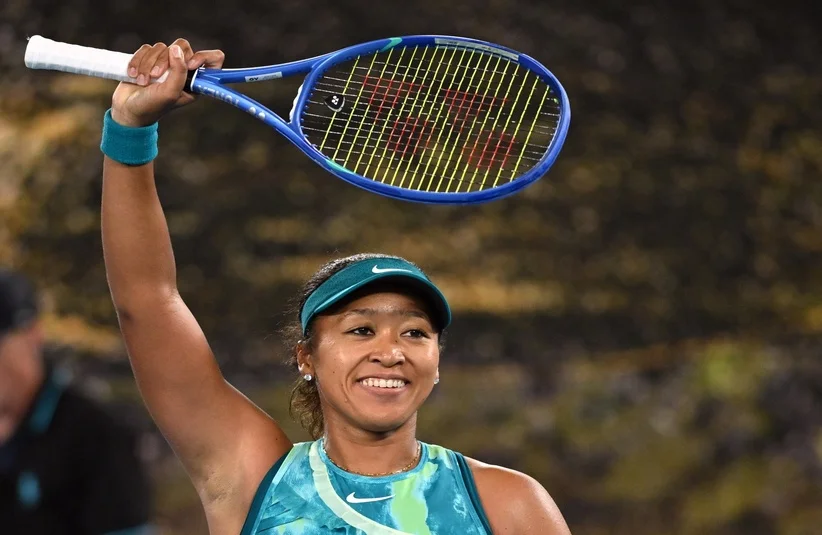
Regardless of whether she lifts the trophy in Melbourne, Osaka has already won a different kind of victory. She is showing the world that personal growth and professional performance are linked. You don’t have to compartmentalize your life to succeed.
We have seen Serena Williams and others pave the way, but Osaka is adding a new chapter to the book on athlete wellness. She is proving that you can take inspiration from the “soft” parts of life—like playing with your kid—and turn them into hard, competitive advantages.
As she steps onto the blue courts, look for the high stance. Look for the sway. It might look different than what you remember, but that’s the point. This is Naomi Osaka 2.0, moving with the current, ready to sting.
FAQ SECTION
Q: What happened in Naomi Osaka’s comeback?
A: She introduced a new “jellyfish” stance inspired by her daughter’s movements.
Q: Who is involved?
A: Naomi Osaka, her toddler daughter, and her coaching team.
Q: Why is this news important?
A: It highlights both her technical evolution and the broader impact of motherhood on elite athletes.
Q: What are the next steps?
A: Osaka will test her stance at the Australian Open, with fans and analysts watching closely.
