
Naomi Osaka’s Magical Night: From Mom To US Open Semifinalist

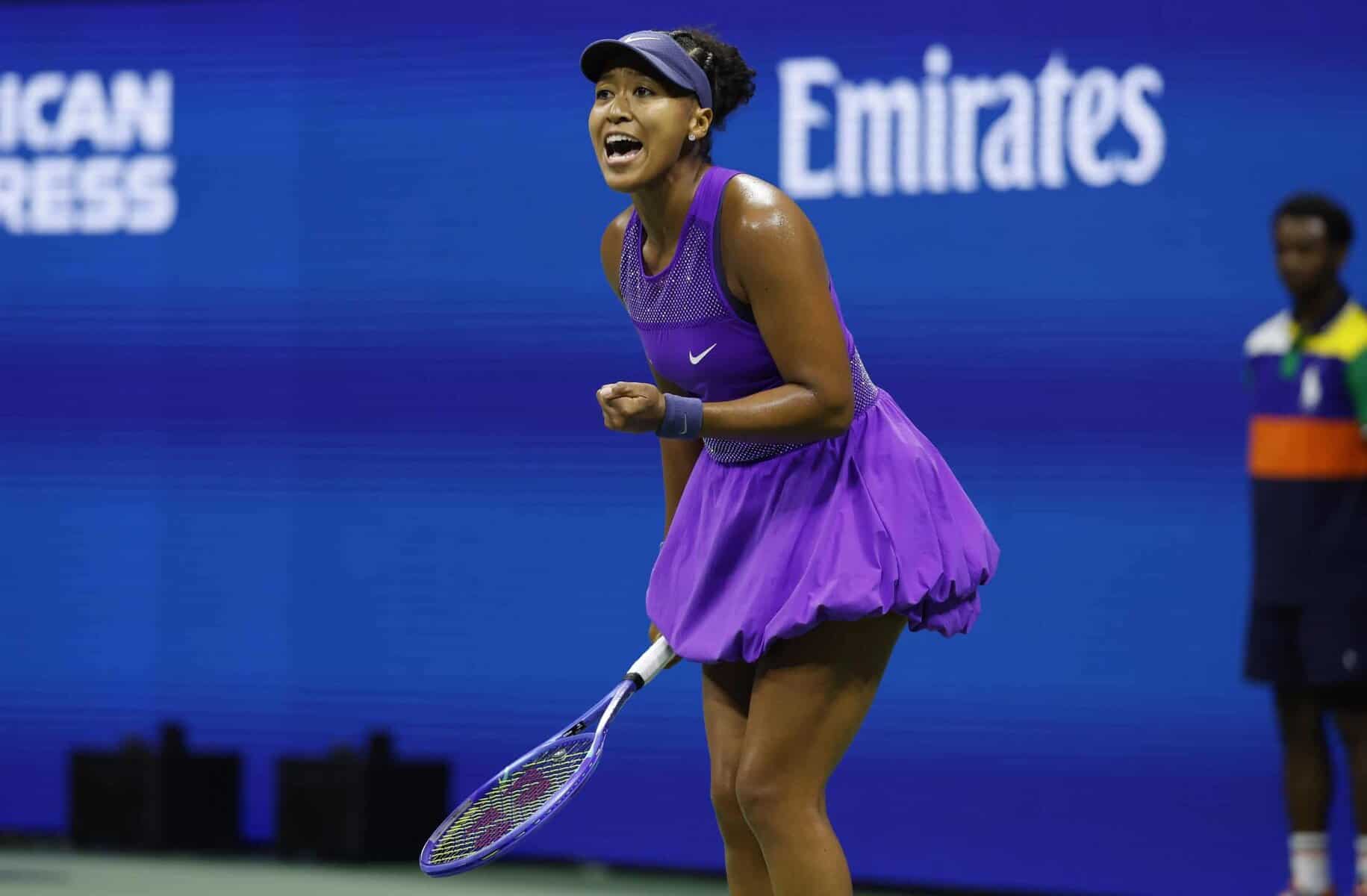
Man, what a night for Naomi Osaka. The former world No. 1 just reminded everyone why she’s still got that championship DNA flowing through her veins, taking down Karolina Muchova 6-4, 7-6(3) in what felt like a masterclass in clutch tennis. And honestly? Watching her play with that kind of poise after everything she’s been through had me feeling all sorts of emotions. Can she win it all in Flushing Meadows?
The Comeback Kid Strikes Again
Let’s be real here – Osaka’s journey back to this moment has been anything but smooth. Four years. Four whole years since her last major title at the Australian Open in 2021. Between mental health breaks, becoming a mom, and the brutal reality of trying to find your tennis legs again after having a baby, this woman has been through it all.
But here’s the thing about champions – they remember how to win when it matters most. Osaka is now a perfect 5-0 in major quarterfinals, and every single one of those wins has come on hard court. That’s not luck, folks. That’s what we call knowing your bread and butter.
The stats don’t lie either. All four of her Grand Slam titles have come on hard courts – two at the US Open (2018, 2020) and two at the Australian Open (2019, 2021). When Osaka steps on that blue court in New York or Melbourne, something just clicks. It is like watching LeBron in Game 7 or Tom Brady in the fourth quarter.
Muchova’s Gutsy Fight Falls Short
Muchova didn’t make this easy. The Czech Republic native, seeded 11th, was hunting for her third straight US Open semifinal appearance. That’s no joke in today’s women’s tennis where consistency is harder to find than a decent hot dog in the nosebleeds.
The first set was a serving clinic. Muchova was hitting 83% of her first serves (which is just ridiculous), while Osaka wasn’t far behind at 60%. They traded service games like they were swapping Christmas cards until Osaka finally broke through at 5-4. Triple set point opportunity? Muchova fires an ace to save the first one because, of course, she does. But tennis has a funny way of rewarding persistence, and when Muchova’s return sailed long, Osaka pounced on that opening set like a hawk on a field mouse.
Then came the drama. Muchova disappeared to the locker room between sets and came back with her left quad wrapped up tighter than a Christmas present. You could see the mobility issues immediately. This woman had already spent over 10 hours on court in her first four matches, and her body was sending some serious warning signals.
The Mother Of All Comebacks
Here’s what got me emotional about this whole thing – watching Osaka navigate those crucial moments with the wisdom of a mother and the hunger of a champion. When Muchova found those brief windows of opportunity, breaking Osaka twice in the second set, you could see the old Osaka kick in. No panic, no dramatics, just that ice-cold focus that made her famous.
Every time Muchova threatened to turn the corner, Osaka had an answer. Break back immediately. Dig deep to save two break points at 5-5. Then close it out in the tiebreaker like she was following a recipe she’d memorized years ago. The numbers tell the story of someone who’s been here before: Osaka has never lost a Grand Slam after reaching the quarterfinals. Never. That is the kind of stat that makes other players’ knees wobble.
What This Means Moving Forward
Getting seeded (23rd) for the first time since returning from maternity leave gave Osaka a more manageable draw, and she’s capitalized like a savvy veteran. But let’s not undersell what she’s accomplished here. Beating Coco Gauff in straight sets in the round of 16, then handling a crafty veteran like Muchova when the pressure was at its highest – this isn’t just about favorable matchups anymore.
This is about a woman who took time off to have a baby, dealt with mental health challenges that would break most people, and somehow found her way back to playing championship-level tennis when the lights are brightest. That’s not just athletic achievement – that’s human achievement.
Now she faces Amanda Anisimova in the semifinals, another American story worth following. Anisimova just knocked out Iga Swiatek earlier Wednesday, getting revenge for that brutal 6-0, 6-0 Wimbledon final loss just two months ago. Talk about perfect timing for both women.
But here’s the thing about Osaka – she’s got that championship muscle memory that does not just disappear because you take time off to raise a child. When she stepped back on this court tonight, wearing that bedazzled purple dress and playing with the confidence of someone who knows exactly who she is, it felt like watching an old friend come home.
Four years between major semifinals feels like a lifetime in tennis years. But watching Osaka navigate this moment with such grace and determination? That’s the kind of sports story that reminds you why we fall in love with competition in the first place.
