
Marta Kostyuk Breaks Down In Tears As Ukraine’s Skeleton Star Gets Axed From The Winter Olympics

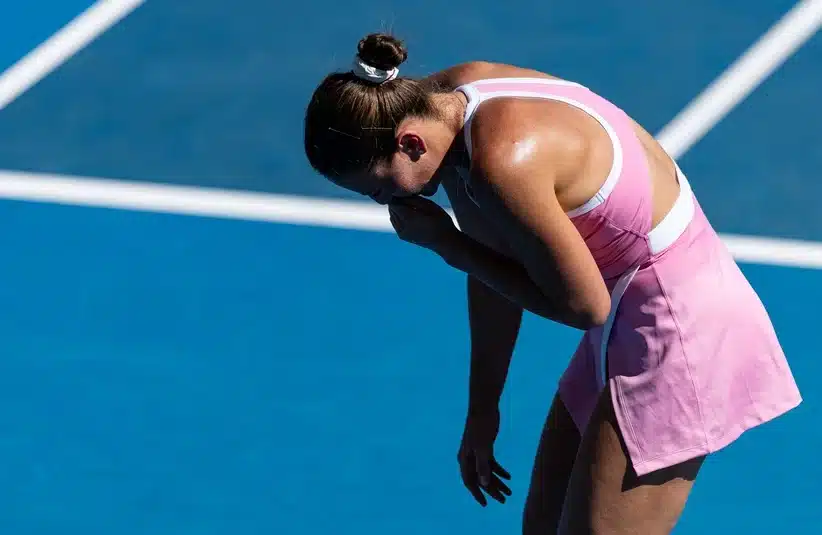
Marta Kostyuk didn’t hold back. The Ukrainian tennis star, never one to stay quiet when it matters, broke down crying in a bathroom after learning that her compatriot Vladyslav Heraskevych had been disqualified from the 2026 Milano-Cortina Winter Olympics. And honestly? Nobody who understands what Ukraine has been through could blame her. This wasn’t just another bureaucratic ruling. This was a gut punch.
What Actually Happened to Heraskevych
Vladyslav Heraskevych, 27, is Ukraine’s top skeleton racer. The guy has represented his country at multiple Winter Olympics and has become one of the most recognizable faces in Ukrainian winter sports. He showed up to Milano-Cortina in February 2026, ready to compete, wearing a helmet designed to honor Ukrainian athletes who continue to push forward despite a war raging back home.
The International Olympic Committee saw it differently. They ruled the helmet violated neutrality regulations, banned political messaging during Olympic competition, and sent Heraskevych home. Just like that, Ukraine lost its main skeleton competitor at the Games.
Kostyuk’s Raw, Unfiltered Reaction
When the news broke, Kostyuk didn’t craft a careful PR statement. She told the world she went to the bathroom and cried. She described feeling pure rage. That’s not a scripted response. That’s a person watching her country get gut-punched on the global stage.
Kostyuk, currently ranked No. 28 in the world on the WTA Tour, has never shied away from speaking up for Ukraine. She’s been outspoken about the intersection of sports and national identity since Russia’s full-scale invasion began, and this latest episode hit close to home. Heraskevych wasn’t making a political statement for the sake of controversy. He was honoring athletes. He was honoring people.
The IOC’s Neutrality Argument and Why Critics Aren’t Buying It
The IOC held firm. Neutrality rules exist. They apply to everyone, and Heraskevych’s helmet crossed the line. That’s the official position. But sports analysts and Ukrainian supporters are pushing back hard.
The argument from critics is straightforward: neutrality rules were designed to keep sports free from political agendas, not to silence athletes who are simply acknowledging the human realities of war. There’s a real difference between those two things, and the IOC’s ruling, according to many, failed to recognize it.
Past Olympics have seen similar controversies. Athletes have faced sanctions for gestures, symbols, and statements that cut too close to political territory under the IOC’s guidelines. Each time, the debate reignites. Each time, the questions get louder. Should sports really stay completely apolitical when some athletes are literally competing while their home countries are under attack?
What This Means for Ukraine and for the Bigger Picture
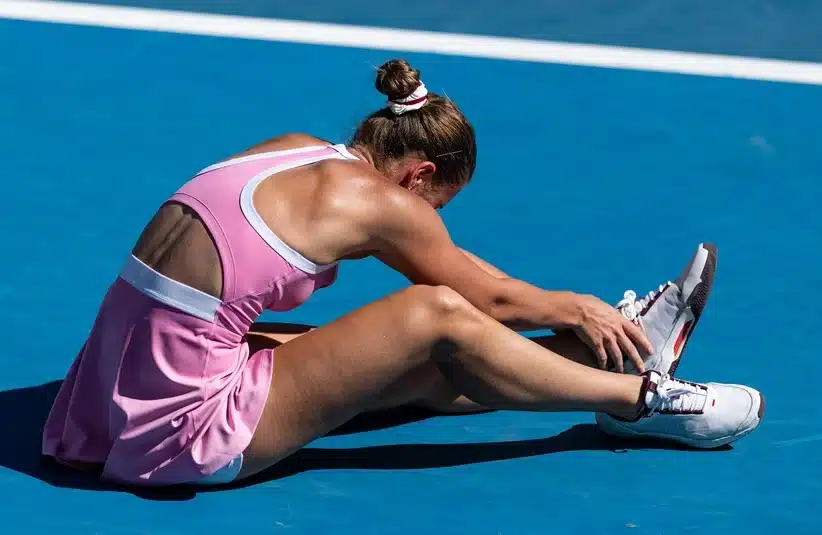
Ukraine lost its best skeleton competitor at these Games. That’s the immediate, concrete loss. But the broader implications stretch further. This ruling raises serious questions about freedom of expression in sports.
It highlights the impossible position Ukrainian athletes find themselves in — expected to represent their nation on the world stage while being restricted from acknowledging what that nation is going through. And it adds fuel to a growing conversation about whether the IOC’s neutrality framework needs to evolve.
Ukrainian fans and athletes erupted with outrage following the decision. Kostyuk’s emotional testimony gave that outrage a face and a voice. Ukrainian sports officials are expected to push for greater policy flexibility going forward, and athletes like Kostyuk will almost certainly continue to amplify the issue.
FAQ SECTION
Q: What happened in this event?
A: Ukrainian skeleton racer Vladyslav Heraskevych was disqualified from the 2026 Winter Olympics for wearing a helmet honoring Ukrainian athletes.
Q: Who is involved?
A: Heraskevych, the IOC, and tennis star Marta Kostyuk, who reacted emotionally to the decision.
Q: Why is this news important?
A: It highlights the tension between athlete expression and IOC neutrality rules, especially for athletes from conflict zones.
Where Things Go From Here
Heraskevych’s disqualification is final. He won’t be competing in Milano-Cortina. But the conversation his case has sparked is far from over. The IOC will face continued pressure to revisit how neutrality rules are applied, particularly for athletes from nations dealing with active conflicts. Whether that pressure translates into any real policy change remains to be seen.
What’s not up for debate is the human cost of these decisions. Kostyuk made sure of that. A tennis player crying in a bathroom over a skeleton racer’s disqualification tells you everything you need to know about what this ruling meant, not just as a sports story, but as a story about people, identity, and what it means to compete when the weight of an entire country is on your shoulders.
