
‘Performative’ Politics? John Isner Blasts Hockey Ban as Russia Sits Out 2026

When the puck drops at the 2026 Winter Olympics in Milan-Cortina, the ice is going to look a little different. Sure, the casual fan might see the usual suspects—Canada, the United States, Sweden, and defending champion Finland—battling for supremacy. But for anyone who actually follows the game, there’s going to be a massive, glaring void in the bracket.
Russia is out. Again. The International Ice Hockey Federation (IIHF) and the IOC have doubled down on their decision to exclude Russia and Belarus due to the ongoing invasion of Ukraine.
While the decision has plenty of support from a geopolitical standpoint, it’s ripping open a massive debate in the athletic world about fairness, integrity, and where exactly we draw the line between government actions and individual athletes. And leading the charge from the dissenting side? Surprisingly, it’s American tennis giant John Isner.
Isner Calls Out the Hypocrisy
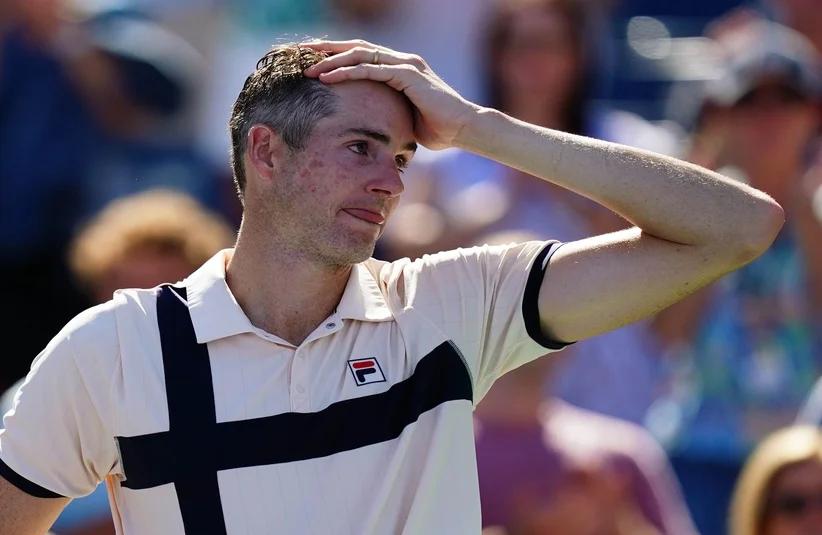
You might wonder why a retired tennis pro is weighing in on international hockey, but Isner has never been one to shy away from calling a spade a spade. When news broke that Russia—a perennial powerhouse in the sport—would be barred from the 2026 tournament, Isner didn’t mince words.
He labeled the ban “performative.” It’s a single word, but it carries a lot of weight. Isner’s critique taps into a frustration that has been bubbling under the surface of the sports world for years now. The argument is simple: Are we punishing the regime, or are we punishing athletes who have spent their entire lives training for a moment that is being stolen from them by politicians?
By calling the move performative, Isner suggests that the ban is less about creating actual change and more about the IOC and IIHF wanting to look like they are doing the right thing, regardless of the cost to the competitive integrity of the Games. It raises the uncomfortable question of whether barring a twenty-something-year-old winger from playing a game in Italy actually impacts military strategy, or if it just creates an asterisk next to whoever wins the gold medal.
A Tournament Without the Titans
Let’s look at this from a purely hockey perspective. The Olympics are supposed to be “best-on-best.” It’s the one time every four years (theoretically) where we see the absolute titans of the sport clash.
Taking Russia out of the equation isn’t like removing a qualifying team that barely scraped by. You are removing a roster that would have been absolutely stacked with elite NHL talent. We’re talking about a tournament without Nikita Kucherov. No Kirill Kaprizov. No Andrei Vasilevskiy between the pipes. And perhaps most notably, no final Olympic swan song for Alex Ovechkin or Evgeni Malkin.
These aren’t just roster spots; these are the faces of the sport. Isner’s point about the ban being performative hits harder when you realize that the product on the ice suffers immensely. Can you truly call yourself the world champion if you didn’t have to go through the Russian machine to get there?
The IOC Stands Its Ground
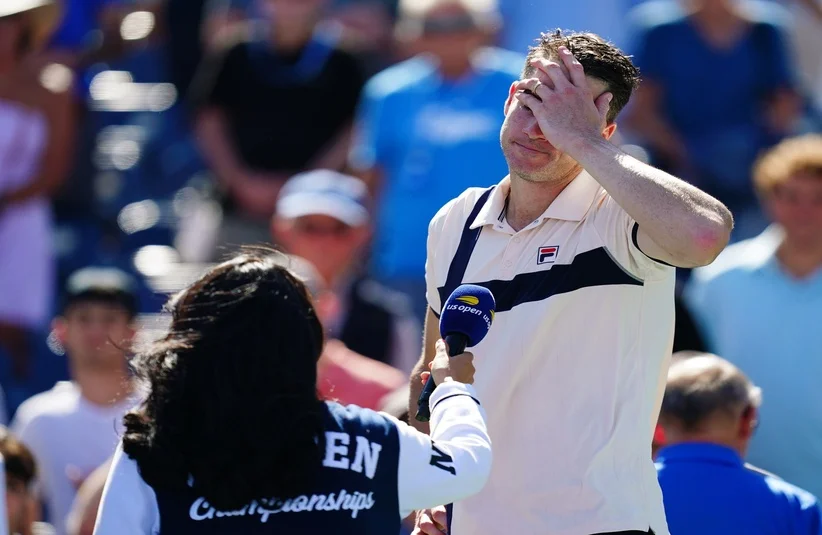
Despite the criticism from figures like Isner, the governing bodies aren’t blinking. The IOC and IIHF have maintained a consistent line since 2022: the safety of the event and the integrity of the competition cannot be guaranteed with Russia and Belarus present. They argue that allowing these nations to compete—even under a neutral flag—would undermine the Olympic values of solidarity with Ukraine.
For the organizers, this isn’t about politics infiltrating sports; it’s about the reality of war making “business as usual” impossible. They are prioritizing the message sent to the global community over the quality of the hockey tournament. It’s a moral stance, and for many fans, it’s the correct one. But that doesn’t make the pill any easier to swallow for those who view the Olympics as a sacred, neutral ground.
FAQ Section
Q: Why is Russia banned from the 2026 Winter Olympics hockey tournament?
A: Due to sanctions tied to the invasion of Ukraine, enforced by the IOC and IIHF.
Q: Who is affected by the ban?
A: Russian and Belarusian athletes, particularly hockey players who would have been medal contenders.
Q: Why is this news important?
A: Russia’s absence reshapes the competitive landscape and highlights the intersection of politics and sports.
Q: What are the next steps?
A: The tournament will proceed with 12 teams, while debates about fairness and political influence continue.
What This Means for the Medal Hunt
With Russia sidelined, the path to the podium changes drastically. The “Big Six” becomes the “Big Five.”
The United States and Canada suddenly have a much clearer road to the gold medal game. Finland, who took home the gold in 2022, won’t have to worry about a Russian counter-attack. The dynamics of the group stages shift entirely.
But the shadow of the ban will linger over every game. Every blowout win against a lower-tier nation that replaced Russia will feel a bit hollow. And if the U.S. or Canada wins gold, the “what if” scenarios will run wild on social media.
Isner may have sparked the latest round of headlines, but he won’t be the last athlete to speak up. As we inch closer to February 2026, the tension between moral posturing and athletic merit is only going to get hotter. For now, the verdict is in: the politics stay, and the Russians stay home.
