
Iga Swiatek vs Naomi Osaka Match Subject to Scheduling Controversy and Sparse Crowd

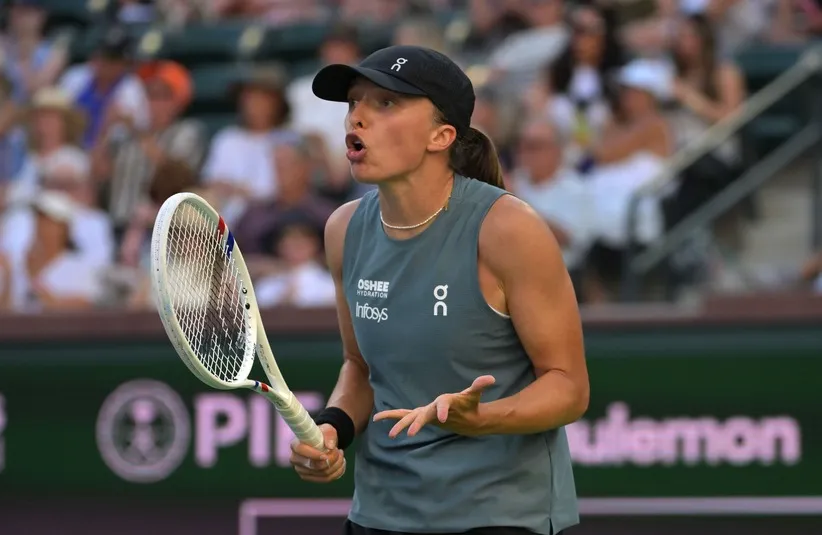
Iga Swiatek cruised past Naomi Osaka 6-2, 6-1 in just 82 minutes on Monday night at the 2026 Italian Open. The Polish star delivered a statement win that showcased her clay-court mastery while sparking fresh debate over how the tournament scheduled one of the sport’s biggest rivalries.
The fourth-round clash pitted two of tennis’s most decorated stars as Swiatek has six Grand Slams and Osaka has four. However, it unfolded on the secondary BNP Paribas Arena rather than the main Campo Centrale, leaving large sections of seats empty even as the event set a new single-day attendance record of over 43,000 fans.
Why the Swiatek-Osaka Matchup Drew Backlash Despite Strong Overall Turnout
This wasn’t just any early-round contest. Swiatek, a three-time Rome champion, entered as the clear favorite after dismantling home favorite Elisabetta Cocciaretto 6-1, 6-0. Osaka, showing real signs of life on clay, had just rolled past Diana Shnaider 6-1, 6-2 and carried the memory of holding a match point against Swiatek in their epic 2024 French Open encounter.
Fans and commentators quickly pointed out the oddity. Italian favorites like Jannik Sinner and Flavio Cobolli occupied prime real estate on center court, while this high-profile women’s matchup landed in the second-largest venue, a noticeable walk from the main action near Stadio Olimpico. Ticket prices starting at €114 didn’t help fill the stands for a late-evening slot that dragged past 7:50 p.m. local time into colder, windier conditions.
Sources Highlight Empty Seats and Tournament Decisions
According to reports, the scheduling choice left many scratching their heads. The BNP Paribas Arena holds over 7,000, but visuals showed noticeable gaps by the time Swiatek and Osaka stepped on court after a lengthy Medvedev match. The tournament touted record ticket sales overall, yet this featured matchup felt underserved.
BBC Sport had previewed the anticipation building around the pair, noting Osaka‘s quip about the draw: “Life is a little cruel. Damn. Sabalenka, now Iga.” She added that these big tests are where she shows up, even if results haven’t always gone her way.
Swiatek’s Clinical Performance and Road To Recovery
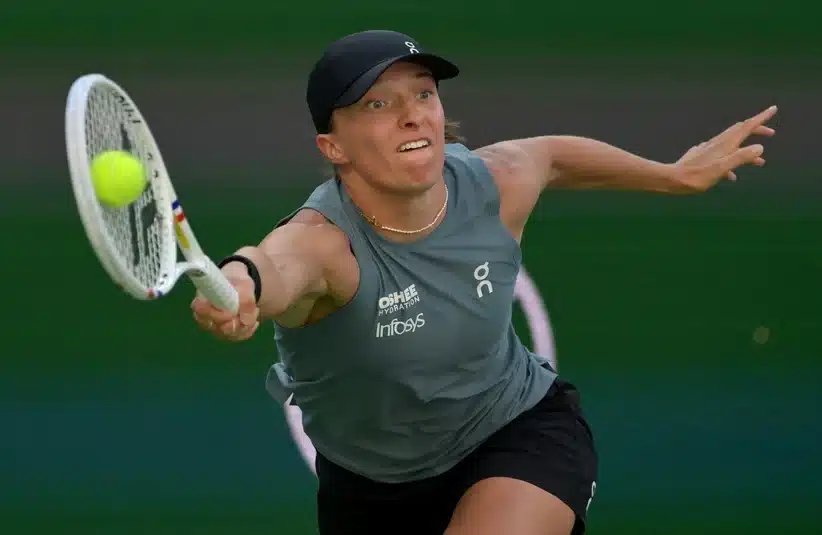
On the court, there was no drama. Swiatek weathered a tight start, then reeled off 10 of the last 11 games with heavy topspin, relentless defense, and sharp serving. Osaka struggled with her first-strike game in the slow night conditions, piling up errors. It was a far cry from their 2024 Roland Garros thriller.
This victory marks a timely boost for the 24-year-old Pole. After splitting with longtime coach Wim Fissette and linking up with Rafael Nadal’s former coach Francisco Roig, Swiatek has been rebuilding. A recent illness-forced retirement in Madrid added uncertainty, but Rome feels right. Roig even tore his Achilles in a lighthearted training bet with her days before the event, yet he’s back on site, navigating on crutches. Swiatek shared the story with a mix of sheepishness and appreciation.
Osaka, meanwhile, continues her clay education. She’s called herself a “baby giraffe” on the surface before, but recent weeks show genuine progress. Losing to Swiatek this way stings, but reaching the fourth round here after strong Madrid showings signals she’s trending upward post-maternity and form dips.
Italian Open Attendance Debates Aren’t New
Tennis followers will remember similar gripes in past years when big names played to half-empty stands in Rome. Swiatek herself has gently called out crowds before, thanking those who showed up while noting room for improvement. Monday’s situation amplified those feelings.
The decision prioritized local Italian storylines on center court, which makes some sense for a home event. But sidelining a matchup between players with 10 combined majors raised eyebrows across social media and tennis outlets. It fed into longer-running talks about how tournaments balance session scheduling, ticket pricing, and fan experience in the lead-up to Roland Garros.
Frequently Asked Questions
1. How many Grand Slams do Iga Swiatek and Naomi Osaka have?
Ans: Swiatek has six and Osaka has four.
2. Who won the match?
Ans: Swiatek won comfortably 6-1, 6-2.
3. What was the controversy about their match?
Ans: Their match was subject to low attendance and a bizarre crowd.
What’s Next For Both Players and the Tournament
Swiatek advances to face in-form fifth seed Jessica Pegula in the quarterfinals, looking to build momentum toward another deep French Open run. A strong Rome title defense (or deep run) could steady her season after recent coaching turbulence. Osaka will regroup and likely head into Paris with more clay confidence than she’s carried in years. Her willingness to embrace tough draws keeps her compelling, even in defeat.
As for the Italian Open, the conversation around scheduling and venue use will linger. With Sinner chasing records on the men’s side and top women like Elena Rybakina and Coco Gauff still in the mix, the tournament has plenty of star power left. But nights like Monday remind everyone that optics matter, especially when two champions step onto a big stage that feels a little too quiet.
