
Coco Gauff Demands Fair Pay: Why Tennis Stars Are Fighting Grand Slam Greed

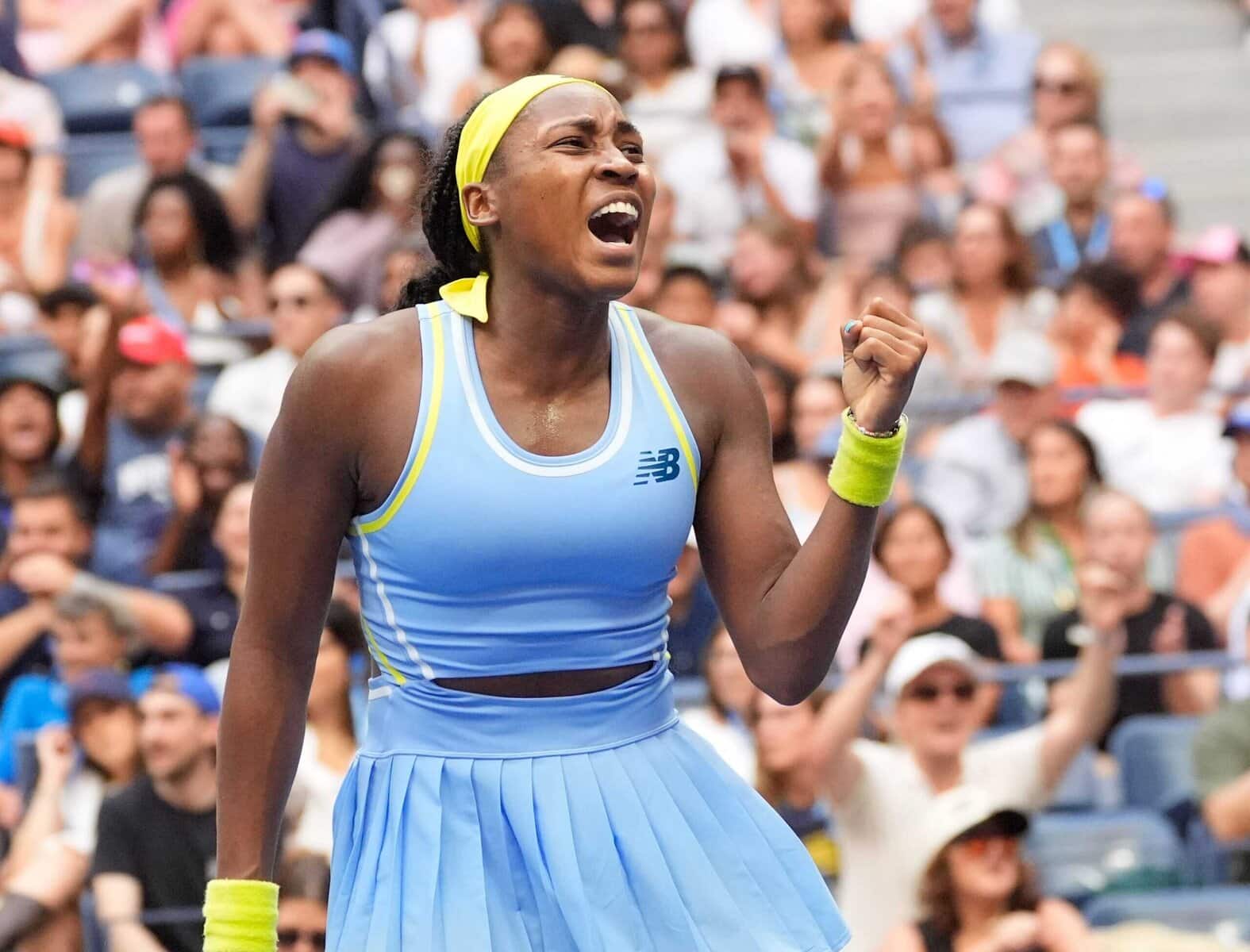
Look, we need to talk about something that’s been brewing in tennis circles, and honestly, it’s about time someone with Coco Gauff’s star power spoke up. The 20-year-old isn’t just swinging for the fences on court anymore – she’s taking aim at the Grand Slam tournament organizers who’ve been living it up while lower-ranked players scrape by on pocket change.
Gauff Leads the Charge Against Tennis’s Pay Gap Problem
After advancing to the China Open semi-finals, Gauff didn’t hold back when discussing the ongoing revenue-sharing battle between elite players and Grand Slam organizers. And frankly, it’s refreshing to see someone actually call out the sport’s financial inequalities instead of tiptoeing around them.
“For the long run of our sport and kind of the whole ecosystem I think that it’s really important,” Gauff stated, and you know what? She’s absolutely right. While Grand Slam tournaments rake in massive profits from ticket sales, broadcasting rights, and sponsorship deals, they’re apparently too stingy to properly compensate the athletes who actually make their events worth watching.
The two-time major champion is part of a group of elite players – notably excluding Novak Djokovic, because of course he’s sitting this one out – who’ve been pushing for what should be basic fairness: a bigger slice of the revenue pie, better benefits, and an actual voice in how these tournaments are run.
The Numbers Don’t Lie: Grand Slams Are Being Cheap
Here’s where things get really frustrating. Twenty top players signed a letter back in March demanding increased prize money and consultation rights. When that apparently fell on deaf ears, they doubled down with a second letter during the summer, specifically targeting the Grand Slams’ refusal to contribute to player welfare funds.
Think about this for a second: ATP and WTA tournaments – which generate significantly less revenue than Grand Slams – contribute tens of millions annually to player welfare benefits. Meanwhile, the four Grand Slams contribute a big fat zero to these funds. That’s not just cheap; it’s insulting.
“Players say the share of revenue generated at Grand Slams is less than at ATP and WTA tournaments, despite bringing in more money,” and honestly, how is that even legal? It’s like being the star of a blockbuster movie but getting paid less than extras in an indie film.
Gauff Gets Real About Tennis’s Hidden Struggle
What really gets me fired up is how Gauff addressed the reality facing lower-ranked players. She’s not just fighting for herself – she’s thinking about the entire tennis ecosystem.
“We’re not talking about just raising the prize money for the champion, but also trickling all the way down,” Gauff explained. “Our 200th best player, our 300th best player is struggling to make ends meet.”
This hits different when you consider that Gauff, at just 20 years old and already worth millions, is using her platform to advocate for players who might never make headlines. She could easily focus on securing bigger paydays for herself, but instead, she’s thinking about the sport’s long-term health.
The Welfare Fund Fight Shows Tennis’s Priorities Are Backwards

The demand for Grand Slams to contribute to player welfare funds – specifically for retirement and maternity benefits – reveals just how backwards this sport’s priorities have become. These tournaments are happy to profit from decades of players’ careers but don’t want to contribute a dime to help them when they’re done playing or starting families.
Gauff mentioned that tournament organizers “have been working with us behind the scenes on finding a solution, but I don’t know when it’s gonna happen.” Translation: they’re stalling, probably hoping the players will get tired of fighting and just accept the status quo.
Why This Fight Matters Beyond Prize Money
What makes Gauff’s stance so compelling is her long-term vision for tennis. “I don’t know if it will happen in my career lifetime where it reaches that, but I want to leave this sport better than I found it,” she said.
That’s leadership right there. Most athletes focus on maximizing their own earnings during their peak years. Gauff is thinking generationally, understanding that sustainable change takes time and consistent pressure.
The fact that she’s willing to potentially ruffle feathers with tournament organizers – you know, the people who ultimately control her earning opportunities – shows real courage. These Grand Slam events need star players like Gauff more than she needs any individual tournament, and she seems to understand that leverage.
The Bottom Line: Change Is Coming, Like It or Not
Here’s the thing about momentum in professional sports: once it starts building, it’s hard to stop. Gauff and her fellow players have already demonstrated they’re organized, persistent, and willing to make their demands public. The Grand Slam organizers can keep dragging their feet, but eventually, they’re going to have to face reality.
Tennis fans should be supporting this fight, too. Better compensation for lower-ranked players means more talent stays in the sport longer. Improved welfare benefits mean players can focus on performing rather than worrying about their financial future. And giving players more say in tournament decisions? That just makes sense.
Gauff’s commitment to leaving tennis “better than I found it” isn’t just admirable – it’s necessary. The sport’s current financial structure is unsustainable, and change is inevitable. The only question is whether the Grand Slam organizers will be part of the solution or continue being part of the problem.
