
“People Shouldn’t Die On The Streets”: Coco Gauff Steps To the Mic Against Donald Trump

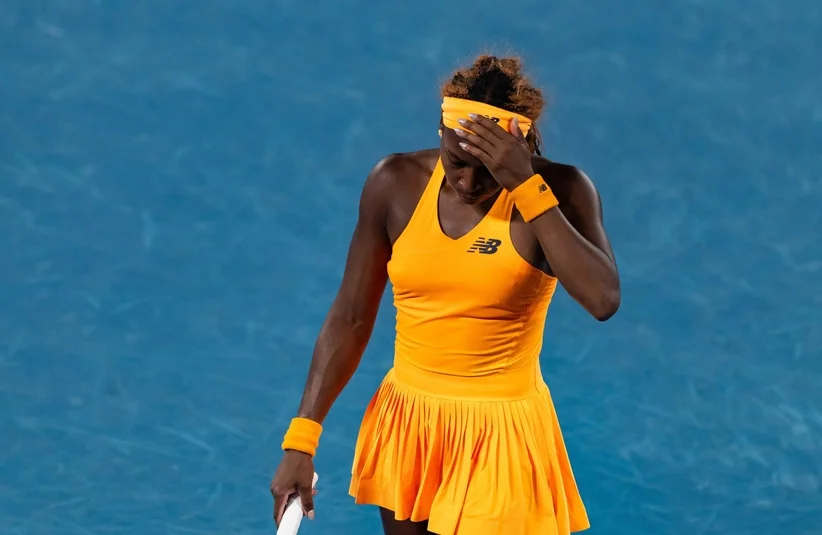
When Coco Gauff steps up to the baseline, you expect power. You expect precision. But lately, the most impactful serves coming from the 21-year-old superstar aren’t happening on the hard courts—they’re happening in the press room.
Gauff has never been one to shy away from tough conversations. From her breakout moments as a teenager, she made it clear she wasn’t just here to play; she was here to be heard. But this week, amidst the glitz of the Dubai Duty Free Tennis Championships, Gauff’s voice carried a different kind of weight. She wasn’t just talking about a bad line call or a grueling tie-break. She was talking about home. She was talking about Minnesota.
The Serve Heard ‘Round The World
It started as a ripple during the Australian Open in Jan. 2026. A simple question about the state of affairs back in the U.S. turned into a moment of candid reflection for the two-time Grand Slam champion. But it was here in Dubai where Gauff truly doubled down, addressing the controversial “Operation Metro Surge” and the tragic deaths of Alex Pretti and Renee Nicole Good during federal enforcement operations in Minnesota.
“I don’t support people dying in the streets just for existing,” Gauff said to reporters, her tone steady but searing. It wasn’t a rehearsed PR statement. It felt raw. It felt real. And for anyone paying attention to the trajectory of Gauff’s career, it felt inevitable. She represents a generation of athletes who refuse to compartmentalize their humanity for the sake of their sport.
More Than Just An Athlete
Critics are already filling up social media timelines, arguing that a tennis player should focus on her forehand, not federal policy. But to ignore Gauff’s perspective is to ignore the reality of the modern athlete.
We’ve seen this movie before. We saw it with LeBron James. We saw it with Megan Rapinoe. But Gauff brings something different to the table. She is the voice of Gen Z. A generation that feels increasingly disconnected from government actions and isn’t afraid to say so. When she speaks about the anxiety of seeing federal operations unfold in American cities, she isn’t speaking from a podium; she’s speaking from the heart of a young woman watching her country struggle.
The Minnesota incidents have sparked a firestorm of debate regarding accountability and transparency in law enforcement. By weighing in, Gauff didn’t just join the conversation; she amplified it to a global audience that might not otherwise find Minnesota on a map.
The Pressure Of the Platform
It would be easier for her to stay quiet. Gauff is currently ranked among the world’s best. The endorsements are flowing, the trophies are stacking up, and the travel schedule is grueling. Why invite the controversy? Why take on the emotional labor of political discourse during an election year?
Because for Gauff, silence doesn’t seem to be an option. This isn’t about being a politician. It’s about using the massive spotlight she’s earned to illuminate corners of society that are often left in the dark. Her comments about Pretti and Good ensure that those names aren’t just footnotes in a local police blotter.
FAQ SECTION
Q: What happened in Minnesota?
A: Federal enforcement operations led to the deaths of Alex Pretti and Renee Nicole Good, sparking controversy.
Q: Who is involved?
A: Coco Gauff, U.S. federal authorities, and the victims of the Minnesota operations.
Q: Why is this news important?
A: It highlights the intersection of sports, politics, and social justice, showing how athletes influence public discourse.
Q: What are the next steps?
A: Continued debate over enforcement policies, possible reforms, and further athlete activism.
What Comes Next For Gauff?
As the tour moves on, the questions won’t stop. The scrutiny on U.S. domestic politics is only going to intensify as the year progresses. And while federal authorities continue to defend their operations, the public discontent that Gauff highlighted is palpable.
For now, Gauff goes back to work. She has matches to win and rankings to climb. But make no mistake: the lines between the court and the community have been blurred. Coco Gauff has proven once again that she can handle the pressure of a match point without breaking a sweat. She’s playing the long game. And right now, she’s winning.
