
Being a professional tennis player is an absolute grind. You’re traveling the globe, living out of a suitcase, and stepping onto a court where you are entirely alone. Now, imagine doing all of that while carrying the heavy expectations of a nation still chasing the ghosts of Steffi Graf and Boris Becker.
That’s the reality for Eva Lys right now. The 22-year-old German tennis prospect recently found herself in the crosshairs of her home country’s media after a disappointing early exit at the Madrid Open.
But instead of giving a generic, PR-approved post-match interview and quietly packing her bags, Lys decided to grab the microphone and fire back. Here is a closer look at what went down in Madrid, why the frustration boiled over, and what it means for the young star’s future on the WTA Tour.
The Madrid Open Fallout: What Exactly Happened?
The clay courts of Madrid can be unforgiving, and unfortunately for Lys, her tournament was cut remarkably short. A first-round elimination is never the goal, especially for a player desperately trying to climb the rankings and cement her status on the main tour.
But the real story didn’t happen between the baselines; it happened in the press. Following her loss, the German media didn’t hold back, serving up a barrage of harsh critiques. Rather than absorbing the blow, Lys went on the offensive.
She publicly called out the local press, accusing them of actively devaluing her hard work. In her eyes, the coverage was relentlessly negative, focusing entirely on her shortcomings while completely ignoring the blood, sweat, and progress she’s made behind the scenes.
It was a raw, unfiltered moment of human emotion. You could practically feel the exhaustion in her words—not just physical fatigue from a grueling match, but the mental exhaustion of feeling like your own hometown crowd is rooting for you to fail.
Living In the Shadow Of German Tennis Legends
To really understand where this tension comes from, you have to look at the landscape of German tennis. This is a country with a rich, championship-laden history. For years, they’ve been searching for the “next big thing” to replicate the golden eras of Graf, Kerber, and Becker.
When you are a promising young talent like Lys, that spotlight is blinding. The media expects greatness, and they expect it yesterday. The problem is that tennis development isn’t linear. Lys has shown brilliant flashes of potential, but like most 22-year-olds on the professional circuit, consistency is the hardest thing to master. The local press, however, doesn’t always have the patience for “development phases.”
The Breaking Point For Lys
When Lys stated that she felt “devalued” by the brutal criticism, it struck a major chord. We often forget that underneath the sponsorships and the fierce competitive drive, these athletes are human beings in their early twenties trying to figure life out.
Lys argued that athletes need constructive backing to thrive, not a newspaper clipping tearing apart their forehand technique just hours after a heartbreaking loss. It’s hard enough to bounce back from a defeat without feeling like your country’s sports writers are actively rooting against your confidence.
Fans and Pundits Take Sides
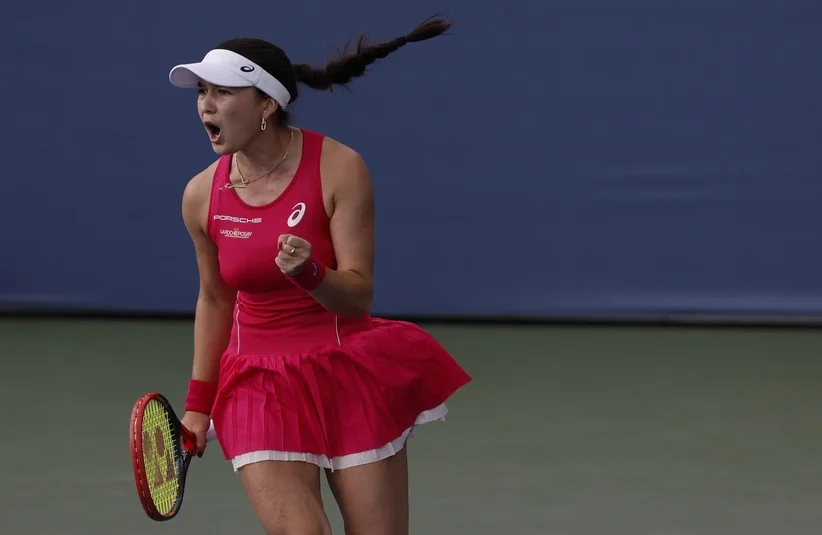
Naturally, the tennis community is split straight down the middle on this one. On one side, you have the old-school sports purists. Their argument? This is the big leagues. If you want to be a champion, you have to develop a thick skin and deal with the heat.
On the other side, a growing wave of modern fans and analysts completely backs Lys. We’ve seen this movie before. Naomi Osaka bravely opened the door to discussions about media obligations and mental health a few years ago. Constant negativity takes a legitimate toll. Many fans are arguing that tearing down a rising player does absolutely nothing to help them actually win tennis matches.
FAQ SECTION
Q: What happened in Eva Lys’s case?
A: She was eliminated in the first round of the Madrid Open and criticized German media for harsh coverage.
Q: Who is involved?
A: Eva Lys, German media outlets, and the wider tennis community.
Q: Why is this news important?
A: It raises questions about athlete treatment, media responsibility, and the balance between critique and support.
What Happens Next On the Court?
So, where do we go from here? The relationship between Lys and the German press is undeniably fractured. The next time she steps into a press conference, the tension in the room will likely be thick enough to cut with a racket string.
But the best revenge in sports is always winning. Lys is expected to regroup and hit the practice courts ahead of her upcoming tournaments. The real question is how she channels this frustration. Will the heavy criticism weigh her down, or will she use it as premium locker-room bulletin board material?
If Lys can take this chip on her shoulder and turn it into aggressive, confident tennis, the same reporters criticizing her today will be the ones writing her redemption story tomorrow. That’s the funny, fickle nature of sports media—and you can bet Lys knows it.
 Don't stop here
Every Score. Every Story. One Home.
Breaking sports, entertainment and news from across the Total Apex network, updated all day.
Get the Full Story →
Don't stop here
Every Score. Every Story. One Home.
Breaking sports, entertainment and news from across the Total Apex network, updated all day.
Get the Full Story →