
Alex Eala’s Unstoppable Rise: The 20-Year-Old Who’s Rewriting Philippine Tennis History

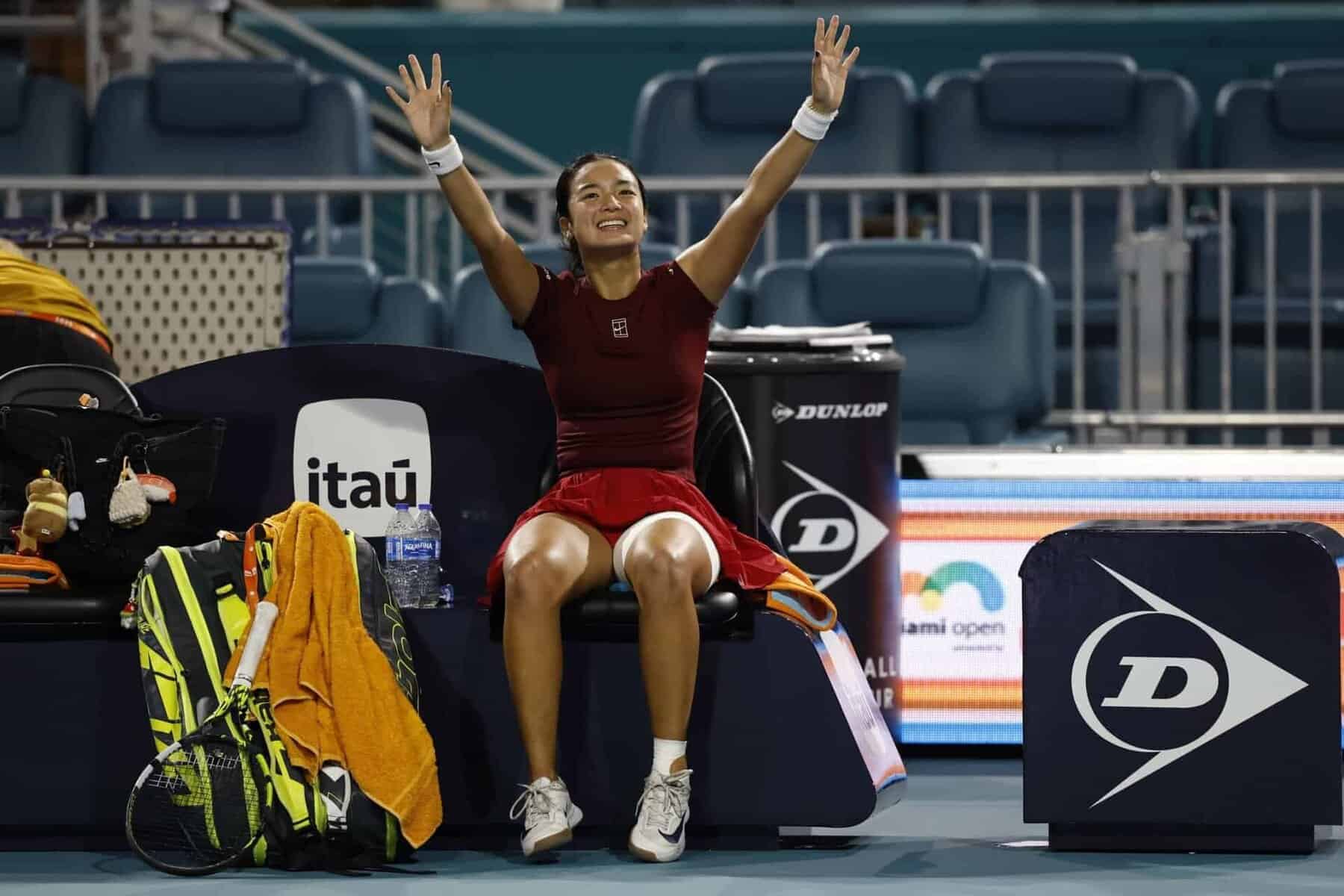
Look, I’ll be the first to admit it—watching tennis rankings can be about as exciting as watching paint dry. But when it comes to Alex Eala’s meteoric climb up the WTA ladder, even the most casual sports fan should sit up and take notice. The 20-year-old Filipino sensation just hit a career-high No. 51 in the world rankings, and honestly? It’s about time the tennis world started paying attention to what this kid has been doing.
The Numbers Don’t Lie: Eala’s Historic Breakthrough
Let’s talk facts here. Eala didn’t just stumble into the top 60—she bulldozed her way through barrier after barrier that no Filipino player had ever crossed in the Open Era. We’re talking about someone who became the first from her nation to win a Grand Slam singles match at the US Open. Not bad for a Tuesday, right?
The rise from relative obscurity to No. 51 in the world isn’t just impressive—it’s borderline ridiculous when you consider the competition she’s facing. This isn’t some feel-good underdog story where everyone gets a participation trophy. This is elite professional tennis, where million-dollar endorsements and Grand Slam dreams hang in the balance with every match.
Miami Magic and the Reality Check That Followed
Remember when Eala made her breakthrough run to the semifinals of the Miami Open? Yeah, that wasn’t a fluke. She took down three Grand Slam champions during that run—champions who probably hadn’t even heard of her name before she started dismantling their games on court. That’s the kind of statement that makes tennis insiders do a double-take and start Googling “Who is Alex Eala?”
But here’s where things get interesting (and slightly frustrating if you’re an Eala fan). Despite reaching her first WTA Tour final at the Eastbourne Open and making history at multiple Grand Slams, the girl has been dealing with a string of early exits lately that would make even the most patient supporter want to throw their racket.
The Struggle is Real: Recent Results Tell a Different Story
Let’s not sugarcoat this—Eala’s recent form has been, well, less than stellar. She’s played just one singles match in each of her last three tournaments. One match. That’s like showing up to a buffet and only eating a dinner roll. She lost to Japan’s Moyuka Uchijima in Wuhan qualifying, fell to Czech Republic’s Tereza Valentova in the Japan Open, and got bounced by USA’s Claire Liu in Guangzhou.
Now, before anyone starts panicking, let’s put this in perspective. This is professional tennis we’re talking about—not your local country club tournament. Even Serena Williams had bad weeks. The difference is, when you’re climbing the rankings like Eala, every loss feels magnified, every missed opportunity stings a little more.
Hong Kong: The Season Finale That Could Define Everything
Enter the Hong Kong Open, where Eala will face Great Britain’s Katie Boulter in what promises to be a fascinating first-round matchup. Boulter, who’s dropped from a career-high No. 23 to No. 79, owns three WTA titles and has made serious noise at Wimbledon and the US Open. This isn’t exactly a gentle warm-up match to ease into the tournament.
The Hong Kong draw reads like a who’s who of women’s tennis: world No. 11 Belinda Bencic, Victoria Mboko, Leylah Fernandez, Sofia Kenin, and Maya Joint. It’s the kind of field that separates the contenders from the pretenders, and Eala finds herself right in the thick of it.
The Hunger That Drives Champions
Here’s what sets Eala apart from the pack—she’s “still hungry,” as she puts it. In a sport where burnout is common and young players often flame out after early success, Eala’s attitude toward 2026 shows the mentality of someone who understands that talent without drive is just wasted potential.
“I’m still hungry and I still want to finish off on a high note,” she told Olympics.com. That’s not the talk of someone satisfied with making history—that’s the voice of a competitor who sees her current success as just the beginning.
What Makes This Rise So Special

Let’s be honest—tennis has always been dominated by certain regions and countries with established infrastructure. For a player from the Philippines to break into the top 60, let alone the top 50, requires not just talent but an almost superhuman level of determination and support.
Eala’s success isn’t just personal—it’s transformational for Philippine tennis and Southeast Asian sports in general. She’s become a symbol of possibility in a region where tennis infrastructure and support systems pale in comparison to traditional tennis powerhouses.
The Road Ahead: Managing Expectations and Building Legacy
The challenge for 2026 isn’t just about maintaining her current ranking—it’s about defending the points she’s accumulated while continuing to climb higher. That’s the cruel mathematics of professional tennis: yesterday’s breakthrough becomes tomorrow’s pressure.
But if there’s one thing we’ve learned about Eala, it’s that she thrives under pressure. Her goal isn’t to put a number on her potential—it’s to be “the best version of myself,” which honestly sounds like the kind of mindset that separates good players from great ones.
As she prepares for Hong Kong and looks toward 2026, one thing is clear: Alex Eala isn’t just representing the Philippines anymore—she’s representing every young player who’s been told their dreams are too big for their circumstances. And frankly, that’s a story worth following, rankings and all.
