
Dubai Tournament Chief Slams Aryna Sabalenka and Iga Swiatek After Shocking Withdrawals

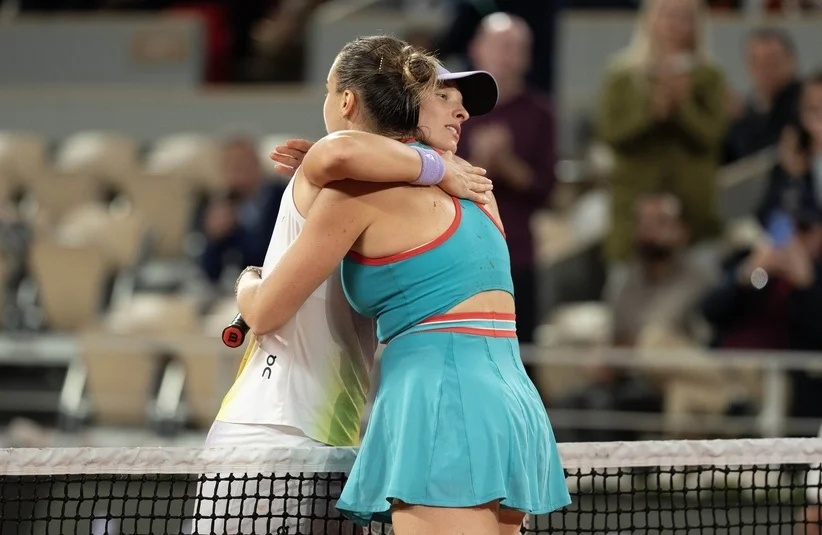
It was set to be the premier showdown of the Middle East swing. The brackets were drawn, the marketing blitz was in full force, and fans in Dubai were ready to see the two best players on the planet square off. But before the first ball could even be struck in anger, the narrative flipped from anticipation to frustration.
In a move that has sent shockwaves through the WTA tour, World No. 1 Iga Swiatek and No. 2 Aryna Sabalenka both pulled the ripcord on their participation in the Dubai Tennis Championships at the eleventh hour.
While player withdrawals are an unfortunate reality of the grinding tennis calendar, the reaction from tournament organizers has been anything but standard. This isn’t just a case of missing stars; it’s turning into a standoff over accountability, scheduling, and what marquee attractions owe to their tournaments.
The 1-2 Punch: Swiatek and Sabalenka Bow Out
For a tournament director, there is no worse nightmare than losing your top two seeds back-to-back just as the gates are opening. Swiatek, fresh off a dominant run in Doha, cited a need to reset. The official line was a change in schedule and concerns over mental readiness. It’s a refrain becoming common in modern sports—protecting the mental battery is just as crucial as protecting the physical one.
Sabalenka’s exit was attributed to a physical issue, though details remain somewhat murky. Reports cited a minor injury or viral illness, but regardless of the specific diagnosis, the result was the same: the Belarusian powerhouse wasn’t taking the court.
Suddenly, a WTA 1000 event that prides itself on elite competition was left without its two biggest headliners. For the fans who bought tickets expecting a clash of titans, it was a massive letdown. For the bracket, it was chaos. But for Tournament Director Salah Tahlak, it was a breaking point.
Show Me the Medical Report: Tahlak Questions the Motives
Usually, when a player withdraws, you get a generic statement of support from the tournament, wishing them a speedy recovery. That is not what happened in Dubai. Tahlak didn’t hide his disappointment.
In fact, he publicly questioned the validity of the withdrawals, particularly aiming his frustration at the timing and the severity of the medical reasons provided. Regarding Sabalenka, Tahlak noted that the tournament doctor assessed the issue as “minor”—hardly the kind of career-threatening injury that typically forces a player out of a mandatory event.
His skepticism regarding Swiatek was equally palpable. The implication was clear: are these players actually unable to play, or are they simply managing their calendars at the expense of the tournament? It’s a bold stance for an organizer to take, but it highlights the immense pressure events face to deliver the stars they advertise.
Why This Matters For Dubai
To understand the frustration, you have to look at the investment. The Dubai Duty Free Tennis Championships isn’t just a stop on the tour; it’s a destination. The organizers have poured millions into infrastructure, five-star player amenities, and global marketing campaigns to cement its status as a top-tier event.
When you build a palace for royalty, you expect the queens of the court to show up. The sudden absence of the world’s top two players is a direct hit to the tournament’s prestige and its bottom line. Broadcast partners want star power. Sponsors want visibility. When Swiatek and Sabalenka stay home, the product on the court loses that “must-watch” global appeal.
The Serena Williams Parallel
This isn’t the first time Tahlak has dealt with disappearing acts. In his comments following the news, he reached back into history, referencing similar situations with Serena Williams years ago. The comparison serves a specific purpose: it illustrates that this is a systemic issue, not a one-off bad luck streak.
The core of Tahlak’s argument is that the current penalty system isn’t working. Fining a top-tier tennis player a few thousand dollars for skipping a tournament is meaningless. These athletes are multimillionaires. A financial slap on the wrist doesn’t deter a late withdrawal if the player decides they would rather rest.
FAQ SECTION
Q: What happened at the Dubai Tennis Championships?
A: World No. 1 Iga Swiatek and No. 2 Aryna Sabalenka withdrew shortly before the event, prompting criticism from the tournament director.
Q: Why did the players withdraw?
A: Swiatek cited scheduling and mental readiness; Sabalenka cited a minor injury.
Q: Why is this news important?
A: Their withdrawals significantly impact the tournament’s competitiveness and raise questions about WTA withdrawal policies.
Q: What are the next steps?
A: Tournament officials plan to discuss stricter rules with the WTA at an upcoming meeting in Rome.
Looking Ahead: Will the Rules Change?
The fallout from Dubai is likely to extend far beyond this week’s matches. Tahlak has made it clear he intends to escalate this. He confirmed that the issue will be a primary topic of discussion at the upcoming tour meetings in Rome.
The proposed solution? Ranking points. The argument is that if money won’t force players to honor their commitments, perhaps the threat to their ranking will. If the WTA were to implement zero-point penalties or deductions for late withdrawals without “major” medical proof, it might force players to think twice before skipping a massive event like Dubai.
It’s a controversial idea. Players will argue that they need autonomy to protect their bodies and prolong their careers in a brutal 11-month season. Organizers will argue that they are selling a product and the customers are being shortchanged.
For now, the tournament in Dubai continues, albeit with a little less star power and a lot more tension behind the scenes. The trophy will still be lifted, but the real fireworks might happen in the boardroom when the tour heads to Rome.
