
“My Toxic Boyfriend”: Why Destanee Aiava Is Quitting Tennis at 25

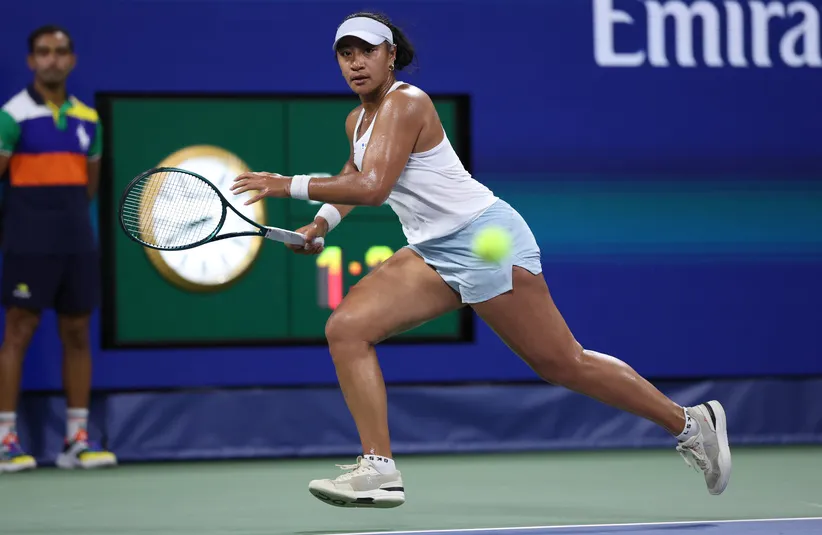
Destanee Aiava delivered a breakup letter that sent shockwaves through the tennis world. She didn’t announce her retirement with a standard press release thanking her sponsors and coaches. Instead, she took to Instagram to sever ties with a sport she explicitly described as “my toxic boyfriend.” Here is why Aiava is hanging up her racquet and what her departure says about the current state of professional tennis.
A Valentine’s Day Breakup
In her open letter, the 25-year-old didn’t mince words. She described a dynamic that had become unsustainable, stating clearly that she was no longer willing to “live in misery.” For fans who have followed her career, the news was jarring. Aiava was once one of Australia’s brightest prospects, a junior standout who broke into the professional ranks with the kind of power and athleticism that usually predicts a decade-long career at the top.
However, behind the baseline, Aiava was fighting a different battle. Her decision to step away later this year isn’t about a lack of talent or physical ability. It is a decision to prioritize her own happiness over a career.
The Grind Behind the Glamour
To the casual observer, the life of a professional tennis player looks like a dream. Especially, with the amount of global travel, decent prize money, and the adoration of fans through the sport of Tennis. But Aiava’s letter pulls back the curtain on the isolation and pressure that defines life on the tour.
Ranking struggles played a part—she had slipped from inside the top 200 to outside the top 300—but the issues ran much deeper than match statistics. Aiava cited the relentless nature of the tour and the criticism that comes with it as major factors in her decision.
The modern professional circuit requires athletes to live out of suitcases for ten months of the year, often alone, defending points and prize money in a high-pressure pressure cooker. For Aiava, that cooker finally exploded.
Calling Out a “Hostile” Culture
Perhaps the most damaging part of Aiava’s statement was her critique of the culture surrounding tennis. She didn’t just say she was tired; she called the environment “hostile.”
Aiava detailed a culture that she felt was racist, misogynistic, and homophobic. She spoke about the pressure to fit a certain “mould” and the alienation that comes when you don’t. This touches on a conversation that has been bubbling under the surface of tennis for years: does the sport do enough to support diversity and protect players who don’t fit the traditional image of a tennis star?
Furthermore, she highlighted the scourge of online trolls. In the era of social media and sports betting, players are frequently subjected to vile abuse after losses. For a young woman trying to find her way in the sport, the constant barrage of digital hate took a heavy toll.
Her letter made it clear that the emotional cost of dealing with this abuse outweighed the benefits of competing, and it’s hard not to see why. Its tough being an athlete, and with all the stress that comes with it, that destroys anyone’s passion.
Life Beyond the Baseline
While her specific next steps remain private, her legacy may well be defined not by the matches she won, but by the powerful statement she made on her way out. By refusing to accept misery as the price of admission to professional sports, she has set a boundary that may inspire other athletes to do the same.
Tennis will move on, as it always does. But if the sport wants to stop losing its young stars to burnout and toxicity, it needs to listen closely to the reasons why Destanee Aiava said goodbye.
