
Carlos Alcaraz’s Injury Nightmare: Why Andy Roddick Is Ringing the Alarm For Wimbledon

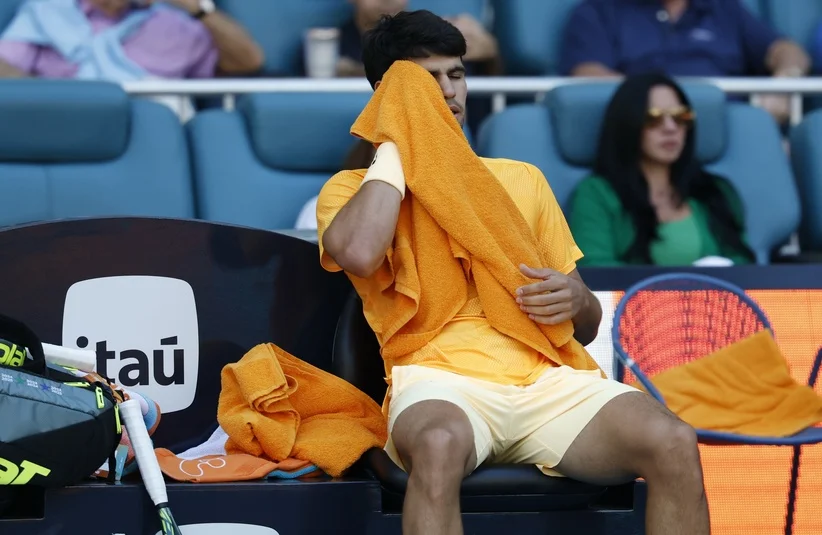
Watching Carlos Alcaraz play tennis is like watching a human highlight reel operating at fast-forward speed. The kid bends physics. He hits forehands that look like they were fired out of a cannon, and he covers the court with the kind of frantic, elastic energy that makes your own knees hurt just watching from the couch.
But that spectacular, violent style of play comes with a heavy price tag. When the 22-year-old phenom officially pulled out of the 2026 French Open due to a lingering injury, a collective groan echoed across the tennis world. The clay courts of Roland Garros were practically built for his brand of kinetic artistry. Yet, instead of sliding into baseline winners in Paris, Alcaraz is stuck in the rehab room.
And if you think the French Open withdrawal is a tough pill to swallow, wait until you hear what tennis legend Andy Roddick has to say about the rapidly approaching grass-court season.
The Paris Heartbreak: What Actually Happened?
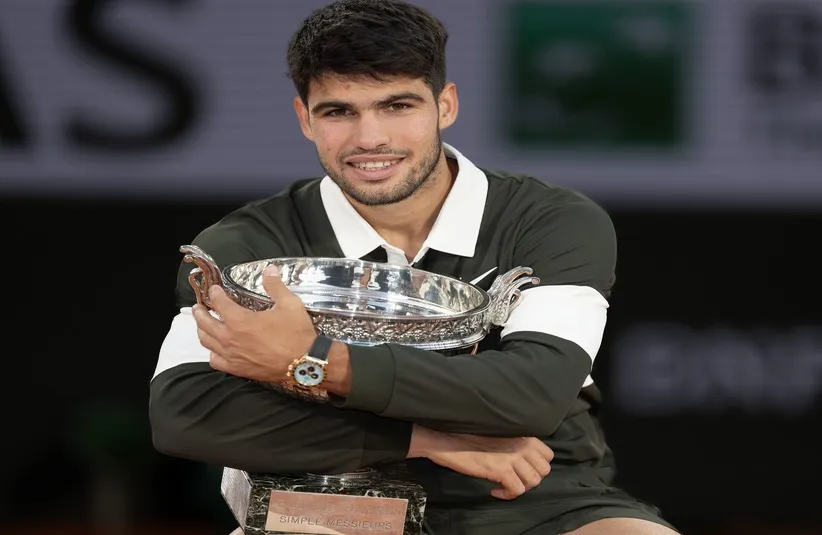
The initial shockwave hit when Alcaraz, currently sitting at World No. 2 and viewed by everyone with a pulse as the undisputed future of men’s tennis, announced he wasn’t operating at full strength. His camp made the agonizing decision to prioritize his long-term health and pull the ripcord on the French Open.
It was a devastating blow. Not just for the tournament, which suddenly saw its draw blown wide open, but for a kid who clearly wears his heart on his sleeve and lives to entertain the crowds. But the immediate question on everyone’s mind quickly pivoted from “Who wins Paris?” to “Can his body hold up for London?”
Andy Roddick Drops the Hard Truth
Enter Andy Roddick. The former U.S. Open champion and current tennis analyst doesn’t mince words, and when it comes to the physical toll of the ATP Tour, he knows exactly what he’s talking about. Roddick spent his entire career swinging out of his shoes and dealing with the inevitable bodily breakdowns that follow.
When Roddick weighed in on the situation, he didn’t sugarcoat it. Roddick expressed serious, palpable concern that this isn’t just a minor speedbump, warning that Wimbledon participation is in genuine jeopardy.
Why should we listen to Roddick? Because he understands the unforgiving geometry of the tennis calendar. The turnaround from the grueling European clay to the slick, low-bouncing grass of Wimbledon is a physiological nightmare for a healthy player. For a guy nursing a compromised body? Roddick knows it’s like trying to run a marathon in quicksand.
A Concerning Pattern Of Breakdowns
Here is the frustrating reality we all have to face: durability is becoming a massive red flag for Alcaraz. We’ve seen this movie before. Muscle strains, physical setbacks, and late-tournament fatigue have repeatedly interrupted his meteoric rise.
In past seasons, he has showcased a Wolverine-like ability to bounce back quickly, but this isn’t a mid-season tune-up in Geneva. This is the crunch time of the sport’s calendar. Missing two of the sport’s crown jewels back-to-back would be a crushing blow to his momentum.
As Roddick pointed out, the modern game demands a physical toll that is borderline inhumane, especially for a player who relies on explosive, fast-twitch muscle movements on every single point.
FAQ SECTION
Q: What happened to Carlos Alcaraz at the French Open?
A: He withdrew due to injury, prioritizing recovery over competition.
Q: Who commented on Alcaraz’s situation?
A: Former U.S. Open champion Andy Roddick expressed concern about the implications for Wimbledon.
Q: Why is this news important?
A: Alcaraz is one of tennis’s brightest stars, and his absence affects both tournaments and broader discussions about player health.
Q: What are the next steps?
A: Alcaraz’s team will monitor his recovery and decide whether he can compete at Wimbledon.
What Happens Next: The Wimbledon Waiting Game
Right now, Alcaraz’s camp is playing their cards incredibly close to the vest. They are preaching caution and recovery, but the silence regarding his Wimbledon status is deafening. Fans are refreshing their social media feeds, desperately hoping for a video of him hitting on a grass practice court.
If he can’t go, the ripple effect across the tour will be massive, much like it currently is in Paris. But more importantly, it will force a very uncomfortable conversation about player health, scheduling, and whether young superstars can actually survive this sport without fundamentally changing how they play.
The medical team is on the clock. Until they give the green light, we are all left holding our breath, hoping that one of the most electric athletes on the planet isn’t forced to spend the summer as a spectator.
