
Angelo Binaghi’s Grand Slam Gamble: Is Italy Ready to Crash the Tennis Party?

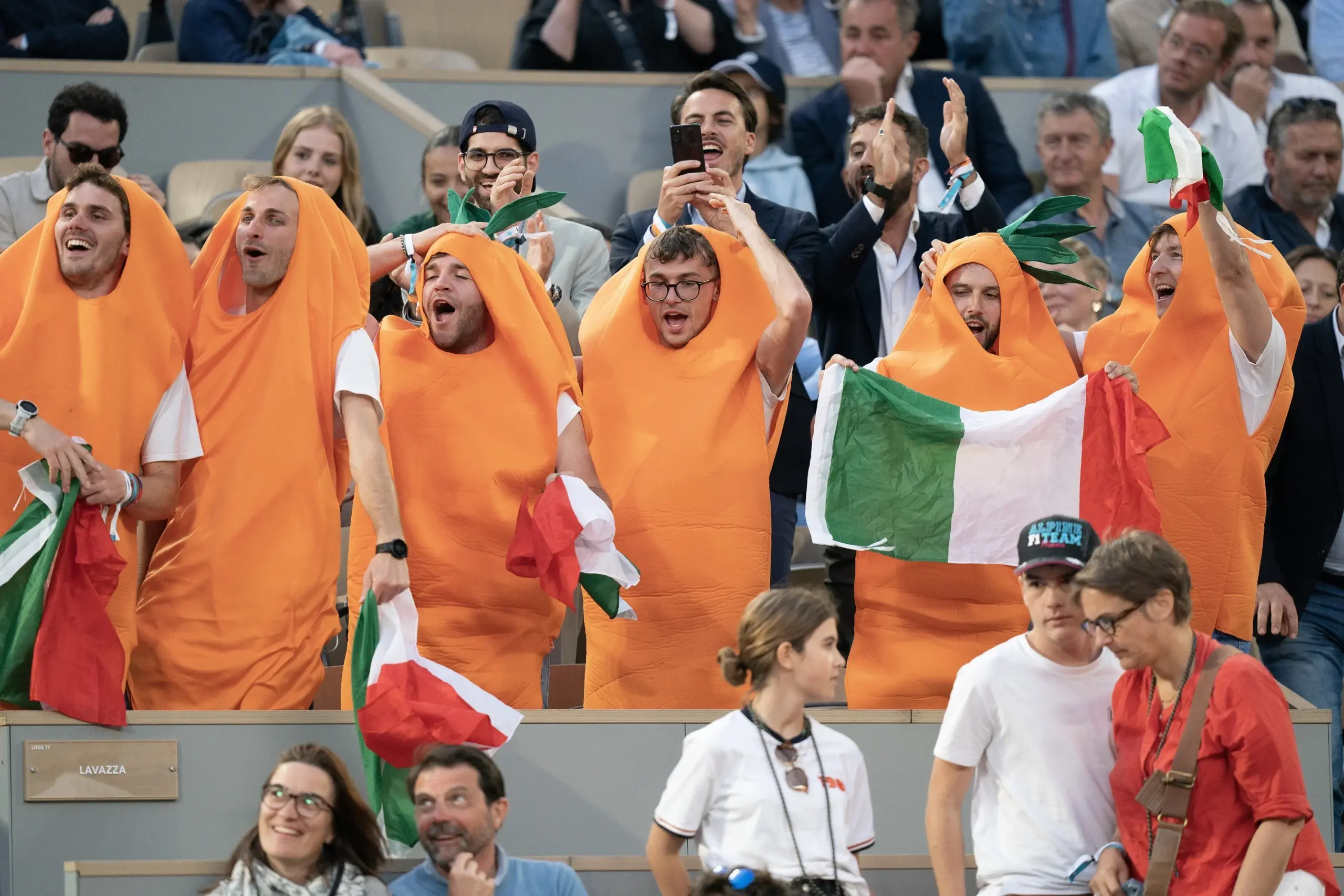
Angelo Binaghi, the head honcho of the Italian Tennis and Padel Federation (FITP), is feeling ambitious. Fresh off the high of Italy’s tennis renaissance, he’s now setting his sights on something huge: a fifth Grand Slam in Rome. It sounds audacious, maybe even a little crazy, but when you’ve got the world’s best player and a couple of shiny team trophies, a little ambition is probably earned. But let’s be real, shaking up a century-old tennis tradition is like trying to convince a cat to enjoy a bath. It’s a tough sell.
Binaghi seems to think the time is ripe to “challenge a monopoly,” and he’s not wrong. The four Grand Slams—Wimbledon, the French Open, the US Open, and the Australian Open—have been the undisputed pillars of tennis for, well, forever. Cracking that exclusive club requires more than just good players and a nice stadium; it demands a seismic shift in the sport’s world order.
But with Jannik Sinner sitting at the top of the rankings and Italy holding both the Davis Cup and Billie Jean King Cup, Binaghi’s question hangs in the air: “When will these situations happen again?” He’s got a point. This is Italy’s golden moment, and if you’re going to make a power play, now’s the time to go all-in.
What’s the Beef with the Sports Decree?
Before we start printing tickets for the “Rome Slam,” there’s a bit of local political drama to sort out. Binaghi recently found himself in a tangle with the Italian government over the new Sports Decree. Speaking on a radio show, he aired some grievances, not with the law itself, but with how it was handled. “We didn’t like the method,” he confessed, suggesting that the government should have been working with Italian tennis to leverage its success for the country’s benefit, not just passing laws from on high.
It’s a classic case of feeling left out of the loop. Binaghi clearly believes Italian tennis is a golden goose right now, and he wants the government to help it lay more golden eggs, not just regulate the coop. He’s optimistic, though, expressing confidence that he’ll “find a solution with the minister” in the coming weeks. It’s a diplomatic answer, but you can feel the slight frustration simmering beneath the surface. He’s basically saying, “Hey, we’re making Italy look great. Work with us, not against us.”
Can Rome Really Host a Fifth Grand Slam?
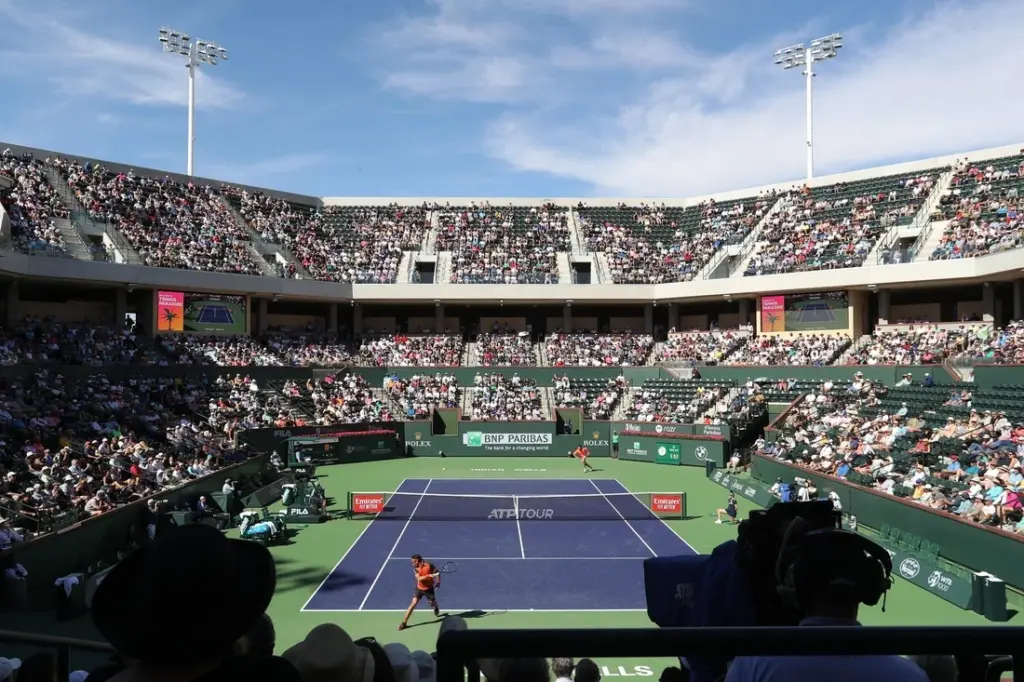
So, back to the billion-dollar question: could Rome actually pull this off? The Internazionali BNL d’Italia, held at the stunning Foro Italico, is already a top-tier ATP Masters 1000 event. It’s a player and fan favorite, often called the most beautiful tournament venue in the world. Upgrading it to Grand Slam status would involve massive logistical and financial hurdles. We’re talking expanded facilities, a two-week schedule, and negotiating with the ATP, WTA, and ITF, who all have a say.
Binaghi knows this is a monumental task. He frames it as breaking a “monopoly that has lasted for many years.” It’s a David vs. Goliath narrative, with Italy playing the plucky underdog against the tennis establishment. But with the sport’s current momentum in the country, the dream isn’t entirely far-fetched. Having the world’s number one player, Jannik Sinner, as your poster boy is a powerful bargaining chip. Add to that the national pride from team victories, and you’ve got a compelling argument.
However, let’s pour a little cold water on this beautiful Italian dream. The tennis calendar is already bursting at the seams. Finding a two-week slot for another Grand Slam without completely wrecking the existing tour schedule is a logistical nightmare. Players already complain about the grueling season. Would they welcome another mandatory, high-stakes event? And would the other Slams just politely make room? Unlikely. They guard their prestige with the ferocity of a Cerberus.
Still, you have to admire the audacity. Angelo Binaghi isn’t just riding the wave of Italian success; he’s trying to turn it into a tsunami that reshapes the entire sport. Whether he can pull it off remains to be seen, but one thing is certain: he’s making the world of tennis pay attention. And in a sport that sometimes feels stuck in its traditions, a little shake-up might be exactly what it needs.
