
Paula Badosa Fires Back: Inside the Emotional Dubai Exit and the Ugly Aftermath

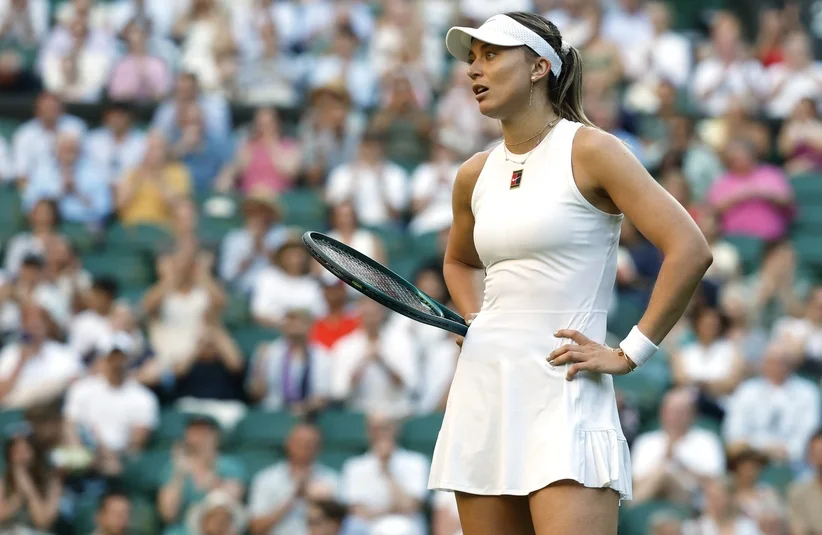
Paula Badosa’s injury backlash after Dubai retirement highlighted the brutal intersection of chronic pain and social media scrutiny. It was supposed to be a step forward. Instead, it became another chapter in a painful saga that is testing the resolve of one of tennis’s brightest talents.
When Badosa walked onto the hard courts in Dubai, things looked promising. Fresh off a convincing opening-round win against Katerina Siniakova, the former World No. 2 looked like she was finding her rhythm.
Against Elina Svitolina in the second round, she came out firing, racing to a commanding 4-1 lead in the first set. Her groundstrokes were heavy, her movement sharp. For a brief window, the Badosa of old was back.
Then, the body betrayed the will. As the set wore on, Badosa’s physical condition visibly deteriorated. The explosive movement vanished. The serve lost its pop. Svitolina, a veteran fighter, sensed the shift and clawed her way back to take the set. Moments later, the match was over. Badosa walked to the net, retiring for the 37th time in her career. While the handshake at the net was respectful, the reaction online was anything but.
The Court of Public Opinion vs. Medical Reality
In the modern sports landscape, a retirement isn’t just a medical decision; it’s an invitation for discourse. Almost immediately after the umpire called time, social media platforms lit up with hot takes. A vocal segment of tennis “fans” and bettors accused Badosa of disrespecting the game, questioning her toughness, and scrutinizing her frequent withdrawals.
The narrative being spun was simple, cruel, and lacked context: She quits too much. However, this backlash ignores the brutal reality of the Spaniard’s situation. Badosa isn’t dealing with a sprained ankle or a pulled muscle that heals in six weeks. She is navigating a chronic back injury that has derailed her career for the better part of two seasons.
In tennis, the back is the engine room. It drives the serve, absorbs the rotation of the forehand, and stabilizes movement. Playing with a compromised back isn’t just painful; it makes competing at the WTA 1000 level physically impossible. The critics saw a player quitting; the medical reality was a body hitting a hard limit.
“Endless Nightmares”: Badosa Breaks Her Silence
Usually, athletes let the noise wash over them. This time, Badosa chose to confront it. Taking to X, she posted a raw, emotional defense of her career and her character. She didn’t offer PR-friendly platitudes. Instead, she offered a glimpse into the mental torture of chronic injury management.
She described the process as “endless nightmares,” painting a picture of an athlete who wakes up every morning unsure if her body will allow her to do her job. It was a stark reminder that behind the ranking points and prize money is a human being desperately trying to salvage her dream.
Badosa emphasized that retiring is never the easy way out. It is the heartbreaking admission that you cannot do the one thing you love most. Her response shifted the conversation from her physical fragility to the emotional resilience required to keep showing up, week after week, knowing it might end in tears.
The Mental Toll Of the Tour
This incident in Dubai shone a spotlight on a growing tension in professional sports: the gap between athlete health and fan expectations. We are seeing a shift in how athletes protect their mental and physical well-being.
But as Badosa’s experience proves, the stigma around “toughness” remains. The online abuse directed at injury-prone players often forgets that no one wants to play more than the athlete herself. Badosa has spent months in rehab, altered her training blocks, and changed her schedule, all in an attempt to get back on court. To accuse a player who battles through chronic pain of “disrespecting the sport” is a fundamental misunderstanding of what it takes to be a professional athlete.
FAQ
Q: Why did Paula Badosa retire in Dubai?
A: She experienced physical issues during her match against Elina Svitolina and could not continue.
Q: What criticism did she respond to?
A: Some online commenters accused her of disrespecting the sport by retiring too often.
Q: What did Badosa say in her statement?
A: She explained the challenges of living with a chronic injury, reaffirmed her commitment to tennis, and condemned the negativity she receives online.
Q: Is she considering retirement?
A: No. She explicitly stated she will not retire and will continue fighting to compete.
What’s Next For Paula Badosa?
Despite the noise and the pain, Badosa isn’t hanging up the racquet. In her statement, she made her intentions crystal clear. She vowed to keep trying “one more time,” even if the odds are stacked against her. The retirement in Dubai knocks her out of contention for now and will likely impact her ranking, but her spirit remains intact.
Her immediate future likely involves more doctors, more scans, and more grueling rehab sessions away from the cameras. The tour moves fast, and Badosa will be left playing catch-up once again.
But if her response to the Dubai backlash proved anything, it’s that Badosa still has plenty of fight left in her. Whether her back will allow her to use it remains the biggest question in women’s tennis.
