
Mirra Andreeva’s Reality Check: The Ugly Side of Tennis Stardom

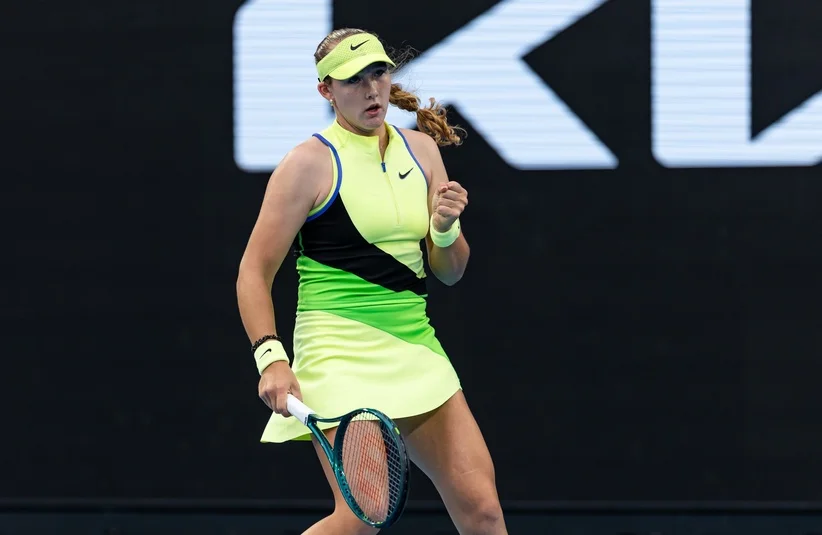
It’s the story we keep hearing, and frankly, it’s one we’re getting tired of writing about. Another bright young talent steps onto the court, gives it their all, falls short, and then opens their phone to a torrent of hate. This time, it’s 17-year-old Mirra Andreeva.
After a tough exit at the Miami Open, the Russian teenager found herself in the crosshairs of online trolls. It wasn’t just disappointment from fans; it was the kind of targeted, personal vitriol that makes you wonder why anyone would want to be famous in the digital age.
If you’ve been following tennis lately, you know Andreeva isn’t just another player. She’s a phenomenon. But her recent experience highlights a massive problem in modern sports: the terrifyingly thin line between being a celebrated prodigy and a target for anonymous abuse.
The Miami Open Meltdown (Online, Not on Court)
Let’s set the scene. It’s March 2025. Andreeva, who has been dazzling audiences with a maturity way beyond her years, heads into the Miami Open with high expectations. She’s young, she’s hungry, and the world is watching.
But tennis is brutal. You have off days. Andreeva’s run ended earlier than she—or anyone else—wanted. In a normal world, she’d pack her bags, analyze the match with her coach, and get ready for the next tournament. Instead, the moment the match ended, the comments section lit up. And not in a good way.
Social media platforms were flooded with abusive messages. We aren’t talking about constructive criticism about her backhand. We’re talking about personal attacks, harsh judgments on her character, and the kind of toxicity that no teenager should have to read. It was a stark reminder that for all the glamour of the WTA Tour, the digital aftermath of a loss can be darker than the defeat itself.
Andreeva Speaks Out: A Teenager’s Perspective
What’s remarkable here isn’t the abuse—sadly, that’s become standard—but how Andreeva is handling it.
She didn’t stay silent, but she didn’t let it consume her either. Addressing the situation, she admitted that she knows the hate is there. Her strategy? Avoidance. She explained that when things get heated or negative, she tries to stay off social media entirely. When she does log on, she makes a conscious effort not to dwell on the nasty comments.
It sounds simple, but think about it. She is 17. Most teenagers live on their phones. Asking a young athlete to completely detach from their digital social life because grown adults can’t control their temper over a tennis match is a heavy ask.
Why Do We Keep Seeing This?
This isn’t an isolated incident involving Andreeva. It’s a systemic issue. We’ve seen it with Emma Raducanu after her US Open win. We’ve heard Coco Gauff talk about the mental toll of the tour. Even the giants of the game, like Novak Djokovic, haven’t been spared.
The problem comes down to a few factors:
- The Betting Culture: A lot of the abuse stems from disgruntled gamblers who lost money on a match. They take their financial frustration out on the player.
- Anonymity: It’s easy to be cruel when you’re hiding behind a faceless avatar.
- The Spotlight: Andreeva rose to fame fast. When you climb that quickly, the scrutiny intensifies. People build you up just to tear you down.
The Mental Health Toll on Young Stars
Sports psychologists have been waving red flags about this for years. The impact of online abuse on athletes—especially minors like Andreeva—can be devastating. It leads to anxiety, burnout, and a loss of confidence that has nothing to do with physical skill.
While fans rallied behind Andreeva, sending waves of support to drown out the noise, the damage of reading even one hateful comment can stick.
It raises a big question for the tennis world: Who is protecting these kids? The WTA and ATP have discussed better moderation tools and safeguards, but the enforcement often feels like a game of whack-a-mole. The trolls are always one step ahead.
What’s Next for Mirra Andreeva?
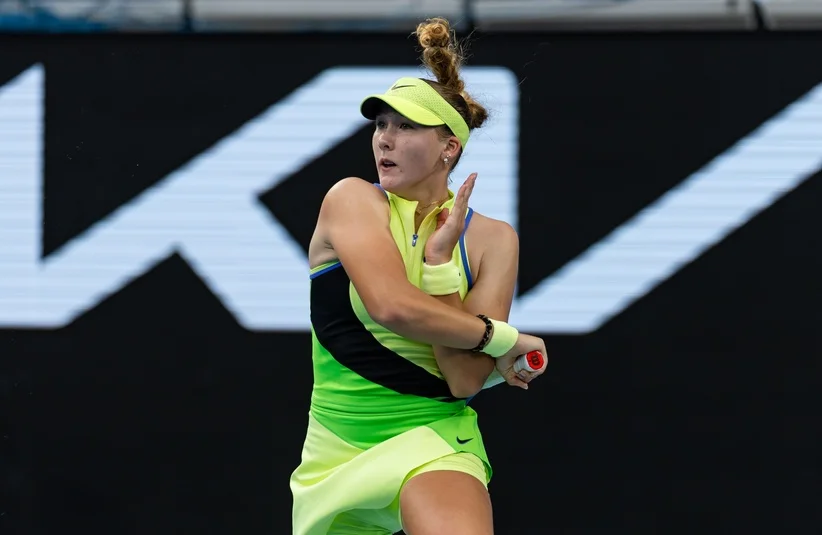
Despite the noise, life on the tour goes on. Andreeva is expected to shake this off and continue her season. If her track record is anything to go by, she’ll bounce back stronger. She has the talent to be a future Grand Slam champion, but navigating the mental minefield of social media will be just as important as perfecting her serve.
For now, the best thing she can do is exactly what she planned: put the phone down, hit the practice courts, and let her racket do the talking.
As for the rest of us? Maybe it’s time to remember that the person on the other side of the screen is just a teenager trying to do her job.
FAQ SECTION
Q: What happened in Miami with Mirra Andreeva?
A: She exited the tournament earlier than expected and was subjected to online abuse afterward.
Q: Who is involved?
A: Mirra Andreeva, social media users who posted abusive comments, and fans who defended her.
Q: Why is this news important?
A: It highlights the growing issue of online toxicity in sports and its impact on athletes’ mental health.
Q: What are the next steps?
A: Andreeva will continue competing, while discussions about athlete protection and social media moderation are expected to intensify.
