
Mira Andreeva Storms Past Diana Shnaider in Adelaide Semifinal Statement

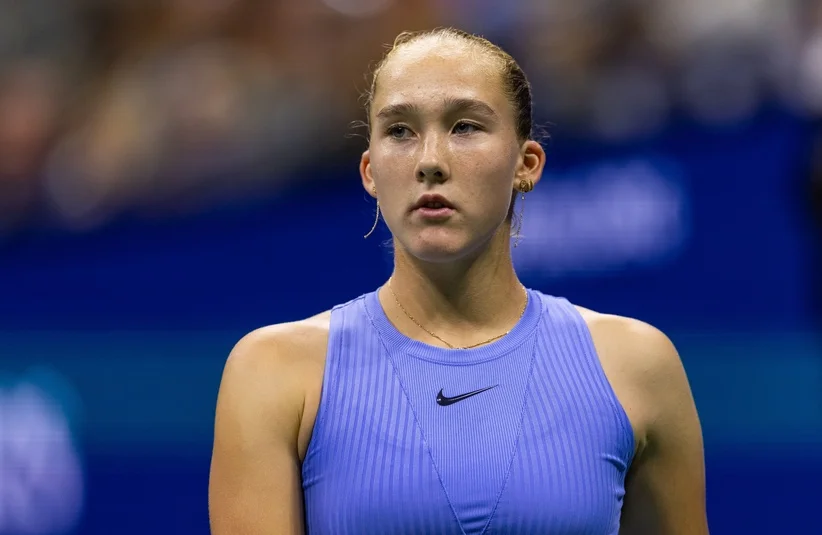
If anyone was still questioning whether the hype around Mirra Andreeva was real, they got their answer in Adelaide. In a quarterfinal clash that felt more like a glimpse into the future of women’s tennis than a standard warm-up match, the 17-year-old phenom didn’t just win; she made a statement.
Facing off against fellow Russian rising star Diana Shnaider, Andreeva displayed a level of tactical maturity that frankly shouldn’t be possible for someone her age. The Adelaide International has always been a great litmus test right before the Australian Open, and if this performance is anything to go by, the tennis world is in for a wild ride this season.
A Battle of the Next Generation
Let’s be honest: when two teenagers from the same country meet deep in a tournament draw, the narrative writes itself. You have the pressure of the “derby,” the battle for national bragging rights, and the desperate need to establish dominance early in a career.
On one side, you had Shnaider, known for her heavy hitting and aggressive baseline game. She’s the kind of player who can hit you off the court if you let her get into a rhythm. On the other side was Andreeva, who has been the talk of the tour since her breakout in 2023.
The match was billed as a blockbuster, and the atmosphere in Adelaide reflected that. The crowd knew they weren’t watching veterans on a farewell tour; they were watching the genesis of a rivalry that could span the next decade.
How Andreeva Dismantled the Power Game
What makes Andreeva so dangerous isn’t just raw power—it’s her tennis IQ. Against a hitter like Shnaider, the temptation is often to try and hit the ball harder, to fight fire with fire. Most teenagers would fall into that trap. Andreeva didn’t.
Instead, she absorbed the pace. She redirected shots. She used Shnaider’s own aggression against her. Watching the match, you could see the frustration building on the other side of the net. Every time Shnaider thought she had hit a winner, the ball came back, often deeper and with better placement.
The straight-sets victory wasn’t just about athletic ability; it was a mental victory. Andreeva broke Shnaider’s serve early, and more importantly, she never let her opponent back into the headspace required to mount a comeback. That kind of composure is usually learned after years of heartbreaking losses, yet Andreeva seems to have come pre-installed with the software of a veteran champion.
The Significance for Russian Tennis
This match highlighted a massive surge in talent coming out of Russia right now. We aren’t just seeing one outlier; we are seeing a wave. Both Andreeva and Shnaider represent a new school of tennis that blends the traditional baseline power the region is known for with incredible athleticism and movement.
While Shnaider will be disappointed with the loss, her run to the quarterfinals in Adelaide is nothing to sneeze at. She proved she belongs on these courts. However, the spotlight right now is firmly fixed on Andreeva, who seems to thrive the brighter that light gets.
Momentum Heading into the Australian Open
We talk a lot about “momentum” in sports, sometimes too much. But in tennis, the week before a Grand Slam is crucial. You want matches, but you don’t want to be exhausted. You want confidence, but you don’t want to peak too early.
By reaching the semifinals, Andreeva has found the sweet spot. She’s getting high-quality match play against top-tier opponents, but she’s winning efficiently enough that she isn’t destroying her body before the main event in Melbourne.
Fans and analysts are already buzzing about her potential draw for the Australian Open. If she carries this form into Melbourne Park, she isn’t just a “dark horse”—she’s a legitimate threat to go deep into the second week.
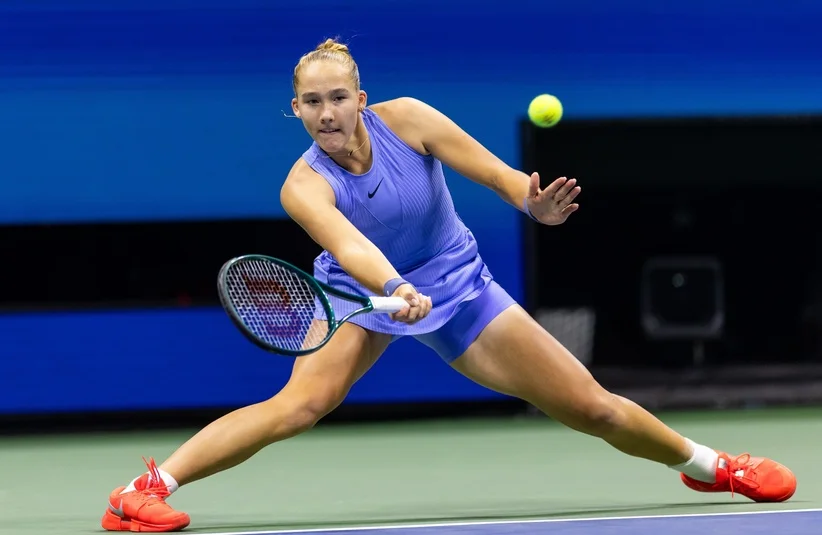
What’s Next for Mirra Andreeva?
The job isn’t done in Adelaide yet. The semifinals await, and the competition will only get stiffer. But if the quarterfinal was any indication, Andreeva is ready for it.
For the rest of the tour, the message is clear: the kids aren’t just “alright”—they’re taking over. And leading the charge is a 17-year-old who plays like she’s been winning titles for a decade.
FAQ SECTION
Q: What happened in the Adelaide International quarterfinal?
A: Mirra Andreeva defeated Diana Shnaider in straight sets to reach the semifinals.
Q: Who is involved?
A: The match featured two rising Russian stars, Mirra Andreeva and Diana Shnaider.
Q: Why is this news important?
A: It highlights the emergence of young talent in women’s tennis and sets the stage for future rivalries.
Q: What are the next steps?
A: Andreeva advances to the semifinals, while Shnaider prepares for upcoming tournaments, including the Australian Open.
