
UEFA Pulls The Plug On Finalissima 2026 And Football Loses Big

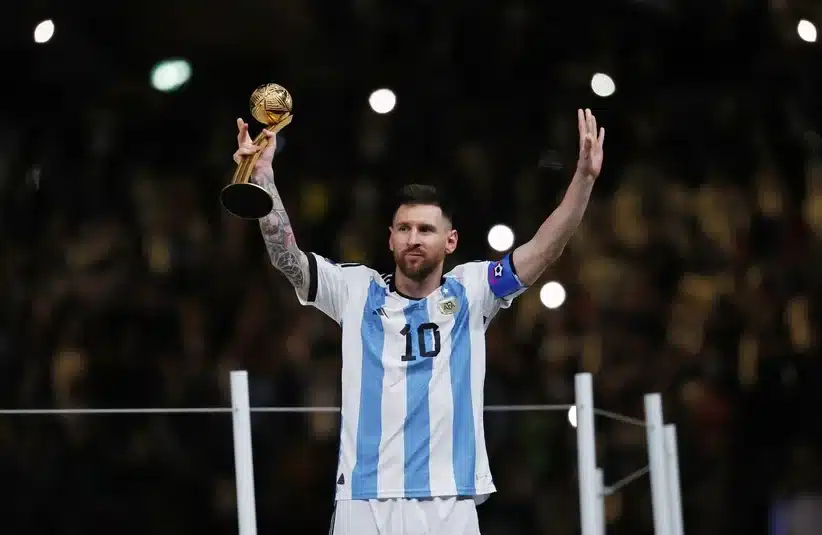
The game everyone wanted to see isn’t happening. UEFA confirmed this week that the Finalissima 2026 between Argentina and Spain has been officially canceled, and the football world is feeling it. No Messi. No Yamal. No showdown. Just silence where one of the most anticipated international fixtures in recent memory was supposed to be. Here’s the full story.
UEFA and CONMEBOL Announce Finalissima 2026 Cancellation
The match was supposed to take place on March 27, 2026, at Lusail Stadium in Doha, Qatar, the same venue that hosted the 2022 FIFA World Cup final. On paper, it was a perfect setting. Argentina is the reigning Copa América champion. Spain is the reigning UEFA Euro champions. A sold-out stadium in the Middle East. Poetic, even.
Then reality hit. Escalating geopolitical tensions in the region including U.S.-Israel military strikes on Iran made Qatar an untenable host. UEFA and CONMEBOL scrambled for alternatives. Madrid was floated.
Buenos Aires was discussed. Neither side could reach an agreement in time, and on March 15, 2026, UEFA made it official: the match was off. No reschedule. No backup plan. Just a canceled fixture that football fans had been circling on their calendars for nearly two years.
What Was at Stake: Messi vs. Yamal
On one side, you had Lionel Messi, 38 years old, playing out what most expect to be the final chapter of an extraordinary international career. Every Argentina appearance at this point feels like borrowed time, a chance to see the greatest player of his generation one more time in a competitive setting
On the other side, you had Lamine Yamal, the teenager who took UEFA Euro 2024 by storm and announced himself as the sport’s next generational talent. Seventeen years old, electric on the ball, and seemingly unbothered by the biggest stages.A direct matchup between those two, a symbolic passing of the torch, if you want to be poetic about it.
This was the kind of thing football produces once in a generation. And now it’s gone. Argentina also had something to defend. They beat Italy at Wembley in the 2022 Finalissima revival and were looking to cement their status as the dominant force in this format. That opportunity has evaporated, too.
UEFA’s Finalissima: A Brief But Meaningful History
For context, the Finalissima isn’t a new idea. The format pitting the UEFA Euro champion against the Copa América champion was first introduced back in 1985. It lay dormant for decades before UEFA and CONMEBOL brought it back in 2022, and the revival was a success by almost every measure.
The 2022 edition had Wembley packed to the rafters. Argentina won convincingly. Fans loved it. Both governing bodies spoke openly about making it a regular fixture. Qatar was selected for 2026, given the country’s track record.
The 2022 World Cup was, whatever your views on how it got there, logistically impressive. But no amount of organizational competence can overcome a region on the edge of armed conflict, and UEFA found that out the hard way.
The Broader Problem UEFA and CONMEBOL Now Face
The cancellation raises some uncomfortable questions that neither governing body has fully answered yet. How do you host a prestige-friendly event, because that’s ultimately what this is, in a world where geopolitical conditions can shift dramatically in a matter of months? Qatar seemed like a safe bet in 2025.
By early 2026, it wasn’t. There was no contingency plan robust enough to absorb that kind of disruption. Fans have also pushed back on what they see as a lack of creative problem-solving. Europe is full of neutral, football-mad cities that could have hosted this match on short notice.
The same goes for South America. The fact that UEFA and CONMEBOL couldn’t align on an alternative, whether it was Madrid, Buenos Aires, London, or São Paulo, speaks to how complicated the relationship between the two bodies actually is when the pressure is on.
What Comes Next for the Finalissima Format
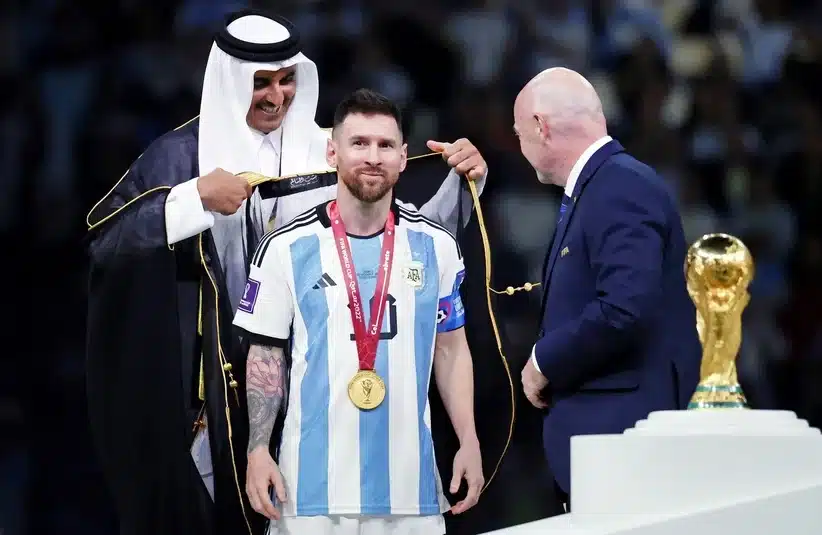
Right now, there’s no scheduled date for a replacement match and no confirmed plans for the next edition of the Finalissima. UEFA and CONMEBOL are expected to revisit the format in the coming months, with early indications suggesting future editions will prioritize European or South American venues places where political instability is less of a variable.
Neutral, football-rich countries like Germany, France, or Brazil seem like the most logical choices going forward. But none of that helps the fans who wanted to see this particular match. And it doesn’t change the fact that Messi’s window for these moments is closing fast.
FAQ
Q: What happened to the Finalissima 2026?
A: It was canceled due to Middle East instability and failure to agree on a new venue.
Q: Who was involved?
A: Spain (Euro 2024 champions) and Argentina (Copa América 2024 champions).
Q: Why is this important?
A: It was set to be a high-profile clash featuring Lionel Messi and Lamine Yamal.
Q: What are the next steps?
A: No rescheduled date has been announced; future editions may be hosted elsewhere.
A Missed Moment Football Won’t Get Back
Some sporting moments have a short shelf life. The specific conditions that made Finalissima 2026 so compelling, Messi in the twilight of his career, Yamal at the very beginning of his, both teams at the peak of their continental powers, won’t exist in quite the same way again. UEFA and CONMEBOL will move forward. The format will likely survive. But the match itself? That one’s gone.
