
Why Tottenham Stars Say Their Relationship With Fans Is ‘Broken’

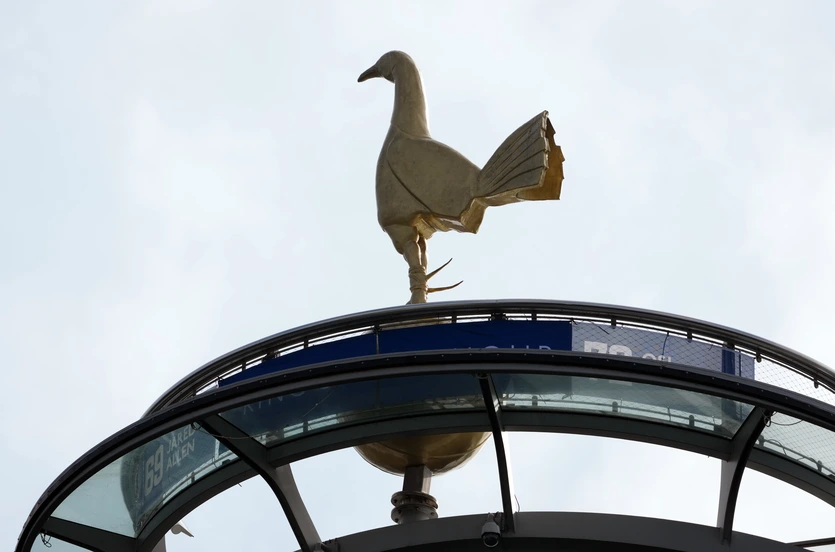
A short, sharp moment at Tottenham after full time, Pedro Porro, visibly furious at team mate Lucas Bergvall for applauding the remaining supporters, popped a lid on a growing split between players and the fanbase.
That single clip has become the latest symptom of a deeper problem players privately labelled a “critical issue” when they met behind closed doors after the game. The row centred on what many players view as unfair treatment of colleagues during matches.
Guglielmo Vicario’s early error against Fulham triggered jeers that lingered through large parts of the evening, and that reaction appears to have hardened a feeling in the dressing room that support has started to feel conditional rather than collective. Manager Thomas Frank publicly defended his players and described the mid-match booing as unacceptable.
Porro Confrontation Sparks Deeper Concern
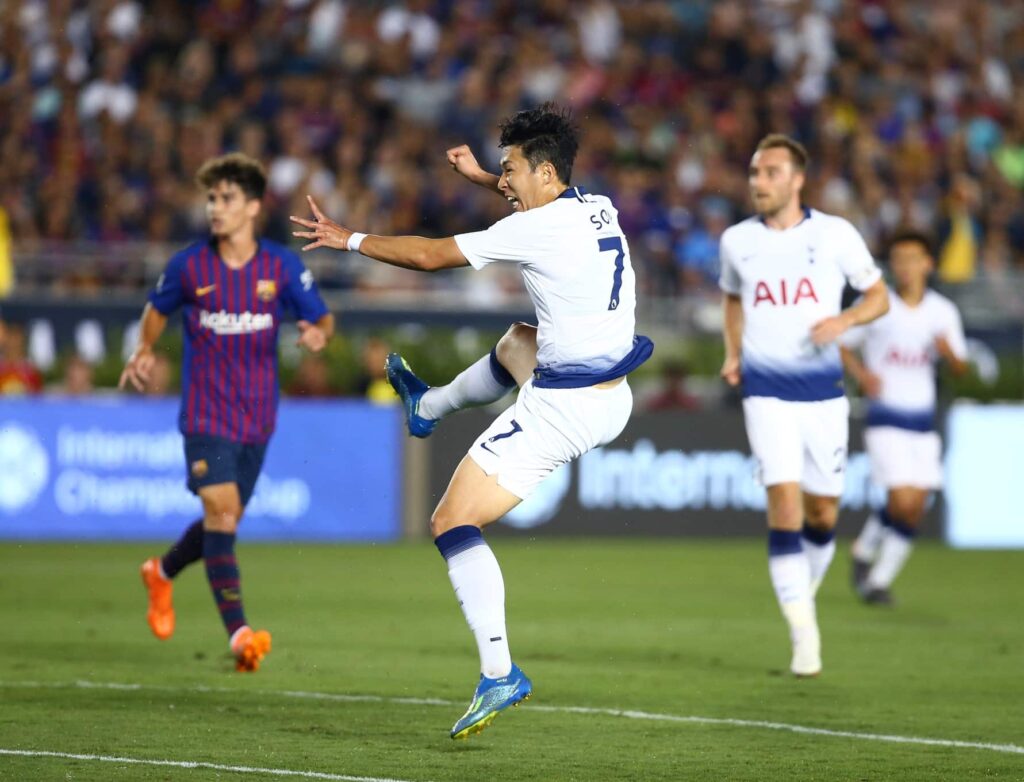
Video footage from the final whistle against Fulham showed Lucas Bergvall making a brief lap of appreciation for supporters still in the ground, while Pedro Porro reacted angrily and walked straight down the tunnel.
Porro later posted on social media, defending his stance and asking for respect for teammates when mistakes happen. The moment suggested the divide is not just noise in the stands but something feeding into dressing room morale.
This incident did not appear in isolation. Earlier in the season, against Chelsea, players such as Micky van de Ven and Djed Spence were involved in similar awkward end-of-match scenarios. When they left the pitch without applauding, they were also visibly unhappy with Thomas Frank.
Those actions were explained afterwards as reactions to sustained hostility. The repetition of this pattern helped push senior figures and a group of players to call a meeting to talk through what they see as a relationship breakdown with sections of the fanbase.
What Players Said And The Team Meeting
Inside the meeting, players reportedly described the feeling as a “critical issue” for the group. The conversation covered how consistent negativity affects performance on the pitch and player welfare off it.
Concerns ranged from in-match booing to online abuse and the psychological toll of feeling unsupported when the team most needs cohesion. Several outlets reported that the group agreed on a collective response: at times, they will walk off together and not perform the ritual clap, a posture designed to underline their frustration while avoiding individual confrontations.
Manager Thomas Frank has attempted to mediate the message. He criticised the booing of Vicario and urged supporters to be patient while emphasizing that criticism is legitimate after a performance but not while players are still competing.
The coach’s stance has been framed as trying to protect player unity and to remind fans that a public campaign against individuals can be counterproductive. The club has not issued a detailed public plan after the team meeting, but sources suggest internal conversations with fan liaison staff and senior players are ongoing.
Why Fan Player Relationship Matters Now
The fragility of the fan player relationship is not purely sentimental. Modern top-level football runs on shared momentum. Home support that presses and energises can swing tight contests.
The opposite is also true. Sustained hostility creates an environment where split focus, anxiety, and risk aversion creep into decision-making. Tottenham’s recent run of form and away from home results highlight how thin margins feel in a congested Premier League table. Players fear that talk of certain individuals being scapegoated on matchday becomes a distraction the squad can ill afford.
There is another layer to this story. Spurs are in a transitional moment on and off the pitch. The ownership change that has followed the Daniel Levy era means expectations are recalibrated across the club.
Fans are demanding quick fixes while the coaching staff insists that building something sustainable takes time. That mismatch between immediate desire and long-term planning is where many flashpoints occur. Players caught in the middle become the visible face of a broader political conversation about standards and patience.
How The Club Can Repair The Fracture
Repairing trust requires action, not only words. The first step is better communication. The club’s fan liaison department must create structured opportunities for supporters and senior players to speak candidly without the pressure of matchday theatre.
Club executives can open controlled forums where expectations are exchanged and mutual responsibilities are agreed. A targeted campaign that discourages targeted abuse while encouraging constructive criticism would set boundaries without muzzling legitimate supporter voices.
Leadership from senior players also matters. Several experienced members of the squad can act as bridges to the stands, publicly acknowledging fan frustration while asking for temperance when specific individuals are targeted.
Visible acts of humility and availability, such as scheduled fan Q&A sessions or player visits to supporter groups, would show a willingness to listen and to share the burden of accountability. That approach will not produce instant results, but it will start the long work of rebuilding trust.
The club must recognise the mental health strain on players at all levels. Internal support systems should be amplified and communicated outward so fans see the club protecting its workforce. Showing that the club treats criticism inside a framework of performance improvement rather than as personal vendettas may shift public perception.
Transparency about processes after errors and clear signals from managers about who is accountable and how improvements will be made will reduce the impulse to single out individuals in the stands.
The Bigger Picture For Tottenham
Tottenham is not the first club to face this dynamic, and it will not be the last. The modern game amplifies grievances, and short attention spans make players easy targets. The response the club chooses now will shape the narrative for months to come. Fans who feel ignored will become louder. Players who feel under siege will pull inward.
The practical solution requires leadership from the board, manager, and players in equal measure, as well as a mature response from supporters. Football thrives when teams and fans feel allied rather than adversaries. Tottenham’s recent scenes are a warning. If the club wants to convert goodwill into resilience and improved results, everyone must accept a shared responsibility.
The Porro Bergvall moment was ugly and avoidable. It is also an opportunity to reset. Getting it right will not be easy. Failing to try will be more expensive.
