
Manchester United: Why Rasmus Hojlund the Worst Striker in Manchester United History

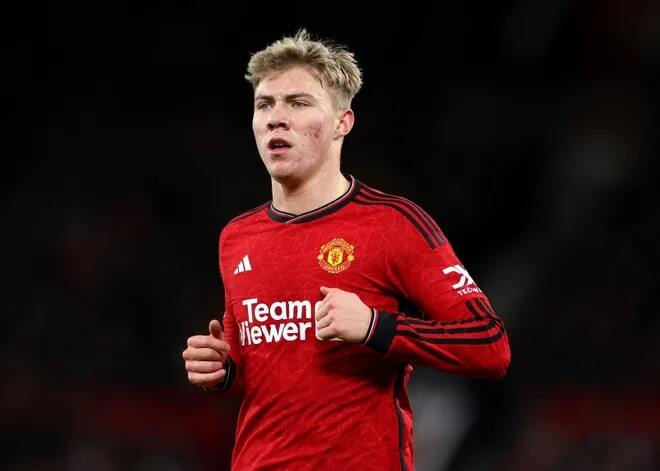
Manchester United welcomed Rasmus Hojlund in the summer of 2023 with a weight of expectation on his shoulders. After a promising spell at Atalanta and a hefty £64 million transfer fee, fans hoped they’d finally found a striker who could lead the line for years. At just 22, he had the raw tools, strength, speed, and a fearless attitude in front of the goal. But nearly two seasons later, things haven’t gone to plan.
Instead of becoming the new face of United’s attack, Hojlund is at the centre of frustration, criticism, and ridicule. A long-standing goal drought, inconsistent form, and some damning stats have led to one of the harshest claims in recent memory, that he might be the worst striker in Manchester United’s Premier League history and could be on his way out this summer. Is that fair? Or are we looking at a young player caught in the storm of a club in transition?
Early Promise, Then a Dip
In his debut campaign, Hojlund showed enough to give fans hope. He ended the season with 16 goals in all competitions, 10 of which came in the Premier League. He wasn’t prolific, but the signs were there; he had the physical presence to unsettle defenders, could run in behind, and wasn’t afraid to take risks. His performances in the Champions League were impressive, netting five goals in six appearances, showing real promise and character.
But then came the second season. And with it, a brutal dip in form. Hojlund has managed just four goals in 31 Premier League appearances this season. Even more worrying is the 21-game goalless streak that’s drained confidence and left fans questioning his ability to lead the line. For a club that once boasted forwards like Van Nistelrooy, Rooney, and even a late-career Zlatan, those numbers don’t cut it.
The Weight of Expectation and a Tactical Misfit

One of the most significant issues facing Hojlund has been the sheer pressure he’s under. Most 22-year-olds are still finding their feet in the professional game. Hojlund, meanwhile, has been thrown straight into one of the most demanding jobs in world football: Manchester United’s central striker. It’s a task even veterans have struggled with.
Insiders at Old Trafford have reportedly acknowledged that expecting him to carry the team’s attacking burden is unfair. It shows his body language, decision-making, and even his first touch all seem weighed down by pressure. Sometimes it’s hard to imagine a young, talented footballer regressing so much in just two years.
The tactical setup under new manager Ruben Amorim hasn’t helped either. Amorim demands more from his striker: strong hold-up play, aerial dominance, and tactical discipline. While Hojlund has the frame for that kind of role, he hasn’t been able to deliver consistently. Despite standing at 1.91m, he’s won just 22% of his aerial duels this season, the lowest among regular Premier League strikers.
That’s a problem when the system relies on you being a target man. The Danish star is often seen wrestling with defenders and, in return, gets bullied and dispossessed nearly 90% of the time. Overall, the gameplay of the 22-year-old is becoming more raw as time progresses.
On top of that, United’s midfield and wingers have been hit-and-miss. Besides Bruno Fernandes’ brilliance, creativity has been in short supply, meaning Hojlund is often starved of quality service. When chances do come, he’s under so much pressure to convert that he snatches at them, further compounding the issue.
Backlash from Fans and Coaching Concerns
Frustration from supporters has been fierce. Social media erupted after a dismal showing in the 2–0 loss to West Ham, where he missed a couple of big chances and lost most of his duels. Some even went as far as to label him the “worst striker of the Premier League era” at United. That might sound extreme, but emotions run high at a club used to excellence, which has been hard to come by over the decade, despite the Red Devils winning trophies here and there.
Even the coaching staff’s patience seems to be wearing thin. Amorim has publicly acknowledged that Hojlund must improve certain aspects of the game. Yet, to his credit, the manager hasn’t thrown him under the bus; he’s continued to back the young Dane and insists he’s committed to helping him find his form.
Is He Really the Worst?
Honestly? No. While Hojlund’s recent numbers are disappointing, calling him the worst striker in United’s modern history is a reach. The club has had plenty of forwards who flopped under the weight of expectation, Radamel Falcao, Alexis Sánchez, Bebe, and so many others, and some barely made it onto the pitch.
Hojlund, at the very least, has shown flashes of genuine quality. His first season, though not spectacular, was promising. His current struggles appear to be as much about confidence and team dysfunction as they are about individual shortcomings. He’s still learning, growing, and adapting to arguably the toughest league in the world. And that matters. Because development isn’t linear, especially for strikers. Even legends like Didier Drogba and Thierry Henry didn’t hit the ground running.
What Comes Next?
There’s talk that United wants to bring in a more experienced striker this summer, and someone like Victor Osimhen has been heavily linked. If that happens, it might be the best thing for Hojlund. He could play with less pressure, rotate more, and grow into his role without being the focal point every game.
With better support, clearer tactics, and less weight on his shoulders, the same Hojlund who bullied Serie A defences at Atalanta before coming to England might still return. However, the opposite could also happen, with Manchester United buying a new marquee striker and letting go of the Danish. The latter is a vast possibility considering they need funds before making big signings in the summer.
Final Thoughts
It’s easy to look at the stats, body language, and pile on Rasmus Hojlund right now. But football careers aren’t defined in two seasons, especially not at 22. His struggles are real, but so is his talent. The criticism may be loud, but the story isn’t over. If United play their cards right, this chapter might end with a redemption arc rather than a transfer out. In a club with a history of heroes and villains, maybe the Danish star still has time to prove he’s neither. He’s just a young striker trying to find his place.
