
PSG’s Revival Isn’t Just About Kylian Mbappe’s Departure

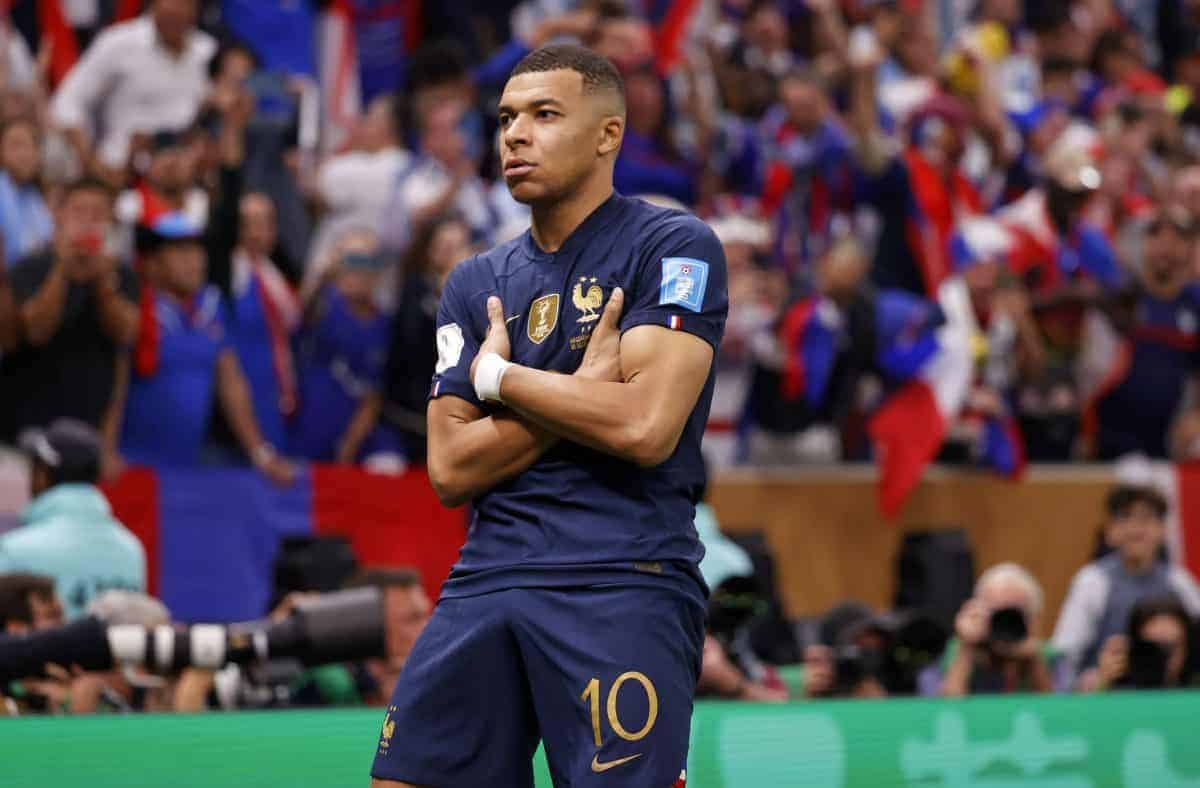
When Kylian Mbappé finally left Paris Saint-Germain (PSG) in the summer of 2024, it felt like the end of an era. Seven seasons. Over 250 goals. Countless iconic moments. A superstar whose face was plastered all over billboards, jerseys, and every inch of the Parc des Princes. The Ligue 1 champions had been built around him for years, tactically, commercially, and emotionally.
But oddly enough, since Mbappé’s exit to Real Madrid, something has shifted in Paris. And not in the way many feared. Rather than crumbling without their talisman, PSG have quietly and impressively rebuilt themselves into a more balanced, arguably more dangerous unit. You could argue that Mbappé’s departure allowed them to evolve.
A Team No Longer Held Hostage by Stardom
Think for a second, in 7 years, PSG reached the UEFA Champions League final once, which they lost to Bayern Munich in 2020. Fast forward to 2024, when the Frenchman departed for Real Madrid to win “titles” and build a legacy. Since his departure, the Parisians are now in contention for a treble, and have one step in the UEFA Champions League final, leading Arsenal 1-0 in the first leg. Meanwhile, Mbappe has the chance to go trophyless in his first season, despite having a record-breaking debut season with the Los Blancos, a coincidence? Maybe, and maybe not.
Under Luis Enrique, PSG no longer resembles a team waiting for Mbappé’s magic to bail them out. There’s no Plan A through Z built around a single player anymore. Instead, there’s structure, purpose, and most importantly, a shared responsibility. Luis Enrique said earlier this season, “I don’t want one player scoring 40 goals. I want six or seven players scoring 10 or 15.”
It’s not just a throwaway line. It’s precisely how PSG are playing now. They press as a unit, attack with intent, and defend with the grit often absent in the star-studded ‘Galáctico’ era. This is no longer a team waiting on moments of individual brilliance, and it’s a side forged in collective effort. They’ve proved by beating one of the most competitive sides in the Champions League, which includes Manchester City, Liverpool, Arsenal, with the second leg yet to come, and Aston Villa.
The Dembélé Redemption Arc
Ousmane Dembélé has become the unexpected heartbeat of the team. Written off by many after years of inconsistency, he’s thriving under Enrique, the man who first brought him to Barcelona. With 33 goals and 12 assists in all competitions this season, he’s been the talismanic figure for PSG.
His performance in the Champions League semi-final against Arsenal, especially that stunning goal after a 26-pass build-up, was a snapshot of PSG’s new identity. His resurgence has been complemented by the arrival of Khvicha Kvaratskhelia in January from Napoli, whose creativity and flair have added a new dimension to PSG’s attack.
Then there’s Desire Doue, the 18-year-old winger who has set the world alight with maturity beyond his years. Quick, brave, and tactically sound, he’s proving to be one of the best youngsters in world football. And don’t forget faces like Bradley Barcola, who adds tons of quality and depth to the ranks. While Mbappé was a guarantee of goals, these players offer something different, a sense of harmony and unpredictability that’s harder to defend against.
A Tactical Reboot
Luis Enrique has crafted a system that no longer depends on one star to shine. The high pressure is organized. The midfield, led by the underrated Vitinha and world-class talent João Neves, followed by the experience of Fabian Ruiz, is winning every second ball and dictating tempo. Defensively, there’s structure rather than chaos, and the fullbacks are now outlets rather than liabilities. Mendes and Hakimi have been pivotal in everything PSG does, starting from the buildup to finishing the attack. They’ve also been rock solid defensively, shutting down world-class players like Mohamed Salah, Morgan Rogers, and Bukayo Saka.
Mbappé’s brilliance often covered up flaws in PSG’s system. Without him, those flaws had to be addressed, and they have been. This isn’t to say the French champions are “better off” without a player like Mbappé. Losing someone of his caliber always hurts, in quality, global pull, and match-winning potential. But in removing the dependency, they’ve grown into a team with more solutions and fewer excuses.
The Off-the-Pitch Consequences
Sure, the departure of Mbappé has hit PSG’s marketability. Shirt sales dropped. Social media numbers slowed. The club’s visibility outside of Europe dipped. But what they lost in star power, they’ve gained in footballing credibility. No longer are they mocked as the flashy, underachieving giants of Europe.
They’re being respected, and in some quarters, even admired, for their team-first approach. With Mbappé gone, there’s also been a shift in dressing room dynamics. By all accounts, the locker room feels more unified, less political. No egos clashing, no favoritism from above. Just a group of players pulling in the same direction.
Final Thoughts
Mbappé’s time at PSG was legendary. No one can deny his impact, greatness, or the joy he brought to fans in Paris. But in his shadow, the Ligue 1 giants often looked like a team built to serve a single superstar at the expense of everything else. The Ligue 1 champions are playing their best football in years, unshackled from that dynamic.
Not because they found someone better than Mbappé, they haven’t. But they finally started acting like a team. In football, as in life, sometimes letting go is the only way to grow, and for PSG, Mbappé’s exit may have been the painful push they needed to become more than just a collection of stars. They’re a football team again.
