
2026 World Cup’s “Pride” Match is a Tone-Deaf Own Goal

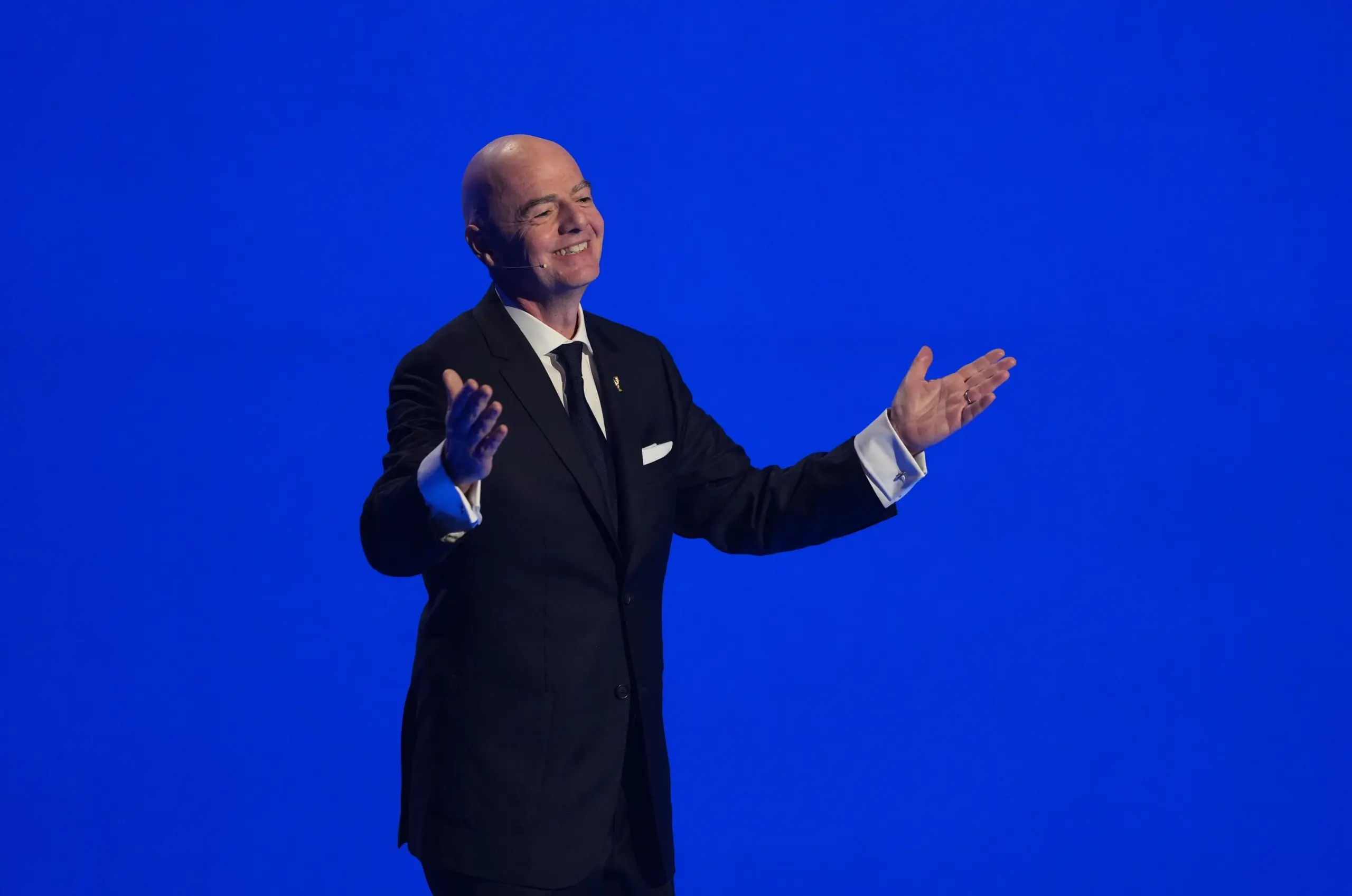
You can’t make this stuff up. In a move that screams “the left hand has no idea what the far-more-problematic right hand is doing,” the 2026 World Cup is set to host a designated “Pride Match”… between Iran and Egypt. Yes, you read that right. Two nations where being gay isn’t just frowned upon but can get you thrown in jail or, in Iran’s case, legally killed. This isn’t just an oversight; it’s a masterclass in performative nonsense.
The Seattle organizing committee, with hearts presumably in the right place but heads clearly in the clouds, planned this celebration of the LGBTQ+ community long before the teams were drawn. Their grand idea? A match at Lumen Field on June 26, 2026, smack in the middle of Seattle’s Pride weekend. They even launched a design contest for artwork celebrating LGBTQ+ people. How lovely. The only problem is the guests of honor at this party are two regimes that actively persecute the very people the event claims to celebrate. It’s like hosting a vegan potluck and making the main dish a suckling pig. The irony is so thick you could cut it with a knife.
FIFA’s Rainbow-Washing Continues
This isn’t FIFA‘s first rodeo when it comes to fumbling LGBTQ+ issues. Remember the 2022 World Cup in Qatar? The whole “OneLove” armband fiasco? FIFA threatened players with yellow cards for daring to wear a simple, multi-colored band in a country where same-sex relationships are illegal. Teams like England and Wales, after making a big show of their intentions, folded like cheap suits when faced with actual consequences. It seems FIFA‘s moral compass spins wildly whenever it’s pointed at a host nation with deep pockets and draconian laws. Their commitment to inclusivity apparently extends only as far as it doesn’t inconvenience anyone with power or money.
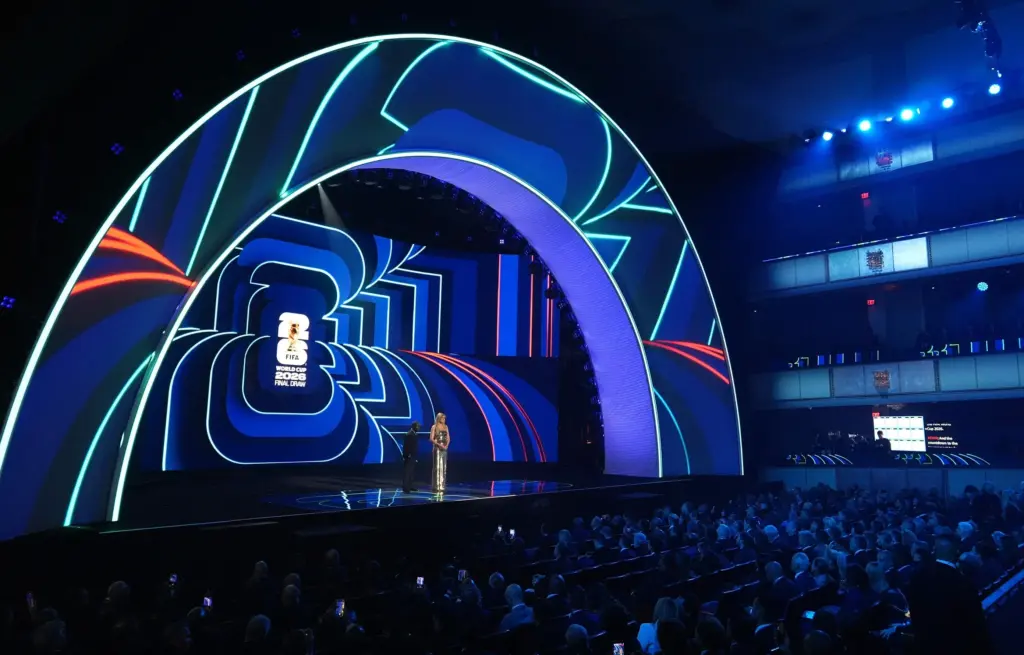
Now, we’re being treated to a sequel. A spokesperson for the Seattle Pride Match Advisory Committee told Outsports that the match will go ahead as planned because “soccer has a unique power to unite people.” Unite them in what, exactly? A shared sense of bewilderment at this organizational train wreck? This statement is a prime example of corporate-speak at its most hollow. Unity and respect are wonderful ideals, but they feel insultingly empty when the centerpiece of your “Pride” event is a match featuring countries where pride can get you executed.
Good Intentions, Terrible Execution
Let’s be clear: the local Seattle organizers probably meant well. They wanted to use the world’s biggest sporting stage to send a positive message. But good intentions pave the road to PR hell. By failing to consider the political realities of the teams that might play, they’ve created a situation that is, at best, profoundly awkward and, at worst, a cruel joke. Instead of a celebration of pride, it feels like a slap in the face to LGBTQ+ fans and allies, especially those of Egyptian and Iranian descent.
What message does this send? That it’s okay to use the rainbow flag as a branding opportunity while ignoring the life-and-death struggles of LGBTQ+ people in the participating countries? It highlights a grotesque disconnect between the sanitized, commercialized version of pride celebrated in the West and the harsh reality faced by millions around the globe. This isn’t just a scheduling mishap; it’s a symptom of a larger problem where gestures of solidarity are divorced from any meaningful action or awareness. It’s a performative act that has backfired spectacularly, turning a would-be moment of pride into a source of ridicule and frustration. As we get closer to 2026, one has to wonder what other brilliant ideas FIFA and its partners have in store for us.
