
Premier League Season Delayed Until August 22 Here’s The Real Reason

The Premier League has confirmed the 2026/27 campaign will begin on Saturday, 22 August 2026, the latest opening day in the competition’s history. The decision follows careful calendar planning around the 2026 FIFA World Cup, which concludes on 19 July 2026 with the final at MetLife Stadium in New Jersey.
The league says this later kick-off gives players a clearer recovery window after what will be an unusually long and intense international tournament, while also allowing 89 days from the end of the current domestic season to the first Premier League match. This is a significant shift from more familiar August starts, and it will shape how clubs manage preseason preparation, transfer business, and the very first weeks of the title race.
What 33 Days Of Recovery Mean For Players
International players who progress deep into the World Cup will have 33 days between the tournament final and the opening weekend of the Premier League. That timeframe is short by modern sports medicine standards when matched against the intensity of a 48-team World Cup that features more knockout rounds and travel across North America.
Teams that rely on multiple international starters must now tailor conditioning plans so returning players can regain match fitness without being rushed into heavy minutes. Coaches will likely re-evaluate early-season rotations and exercise caution with starters returning from international duty.
Sports science departments will be under pressure to balance rapid load rebuilding with injury prevention. The Premier League explicitly referenced player welfare as a key driver of the later start and the structural adjustments to the fixture list.
How Club Schedules And European Dates Will Shift
Domestic scheduling is not happening in isolation. The 2026/27 Premier League season is planned to finish on 30 May 2027, which places the final one week before the UEFA Champions League final on 5 June 2027.
That alignment helps reduce direct fixture clashes with European showpieces, but it also compresses mid-May congestion for clubs still competing in continental knockout rounds. Clubs that expect long European runs must now juggle fewer recovery days during the most decisive phase of the season.
Expect clubs with deep squads to be at an advantage and for managers to treat rotation and cup prioritization as central tactical decisions rather than secondary concerns. Fixture planners have also committed to spacing matches safely over the Christmas and New Year period so no two domestic rounds occur inside a 60-hour window. This is meant to limit the traditional holiday overload while preserving the selling power of Boxing Day.
Players To Watch: 3 Stars Who Face A Different Preseason
Instead of speculative lists filled with names, ignoring current realities, the players most visibly affected are those who are virtually guaranteed to be involved late in the World Cup and who also play central roles for their Premier League clubs.
Erling Haaland, although not really a favourite at the World Cup, remains a Manchester City player and will be monitored closely because his minutes and sharpness are vital to City’s success.
Clubs with marquee players like Cole Palmer at Chelsea, Bukayo Saka and Martin Zubimendi at Arsenal, etc, will need to integrate without disrupting the rhythm of the team’s early-season momentum.
The exact status of individual players will depend on World Cup playing time, injuries, and any summer transfers that complete before preseason programs end. Clubs with fewer World Cup call-ups gain a relative advantage in early weeks because they can run full tactical camps while rivals are still reconditioning key stars.
The knock-on effect for transfer windows is tangible. Teams that sign early can use a longer preseason to bed in new players, while late signings or players who spend much of June and July at international camps will have truncated integration time.
Expect a premium on signings who can slot straight into first-team systems with minimal adaptation. That dynamic will shape how recruitment departments structure medical work permits and early tactical briefs for newcomers.
What Managers Must Do Differently
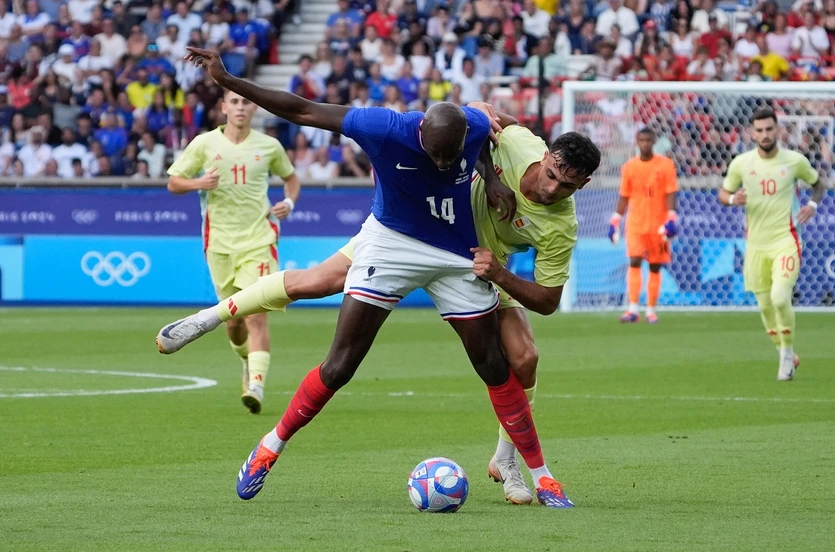
Managers will need to operate with surgical clarity. Preseason plans must be individualized to reflect World Cup participation, return to play guidelines, and club aims. Tactical loading should be conservative for returning starters with minutes managed across the first 4 to 6 matches.
Physical staff should prioritize high-quality training minutes over quantity and monitor load with objective metrics to avoid soft tissue injuries in weeks when matches come thick and fast. Younger or fringe players who avoid major international tournaments will get precious game time and an opportunity to stake claims.
Managers who adapt quickly to a phased approach that blends short windows of intense contact with controlled recovery will likely see the best out of their squads. Expect a boom in short-term rotation strategies with clubs aiming to protect their assets. Fixture congestion in April and May will require heavy reliance on bench depth.
Some coaches might treat the first month of the season as an elongated preseason for returning internationals by limiting those players to cameo roles rather than full 90-minute outings.
Final Thoughts
A 22 August start for the 2026/27 Premier League season is more than a calendar quirk. It is a structural response to a packed international year and a clear signal that player welfare will shape English top-flight planning in the coming era.
The 33 days between the World Cup final and the first weekend of league action are precious and limited. Clubs that plan proactively and manage load intelligently stand to turn that constraint into an advantage. Fans should prepare for a season that feels different from day one, but that promises fresh tactical battles and unexpected early stories that could decide the title race months from now.