Pochettino’s McKennie Snub: A Jaw-Dropping Head-Scratcher That Defies Logic

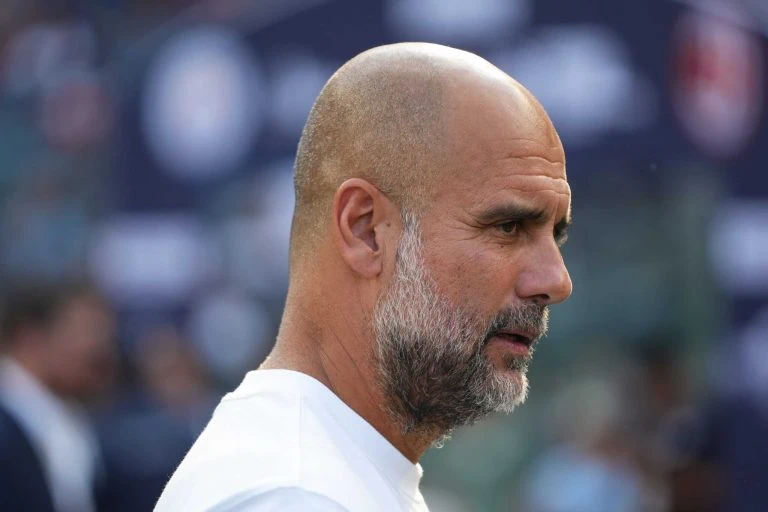
Well, well, well. Just when you thought Mauricio Pochettino couldn’t make USMNT roster decisions any more puzzling, he goes and drops a bombshell that has American soccer fans scratching their heads and reaching for the antacids. The Argentine tactician’s latest roster announcement for September friendlies against South Korea and Japan reads like a fever dream, one where logic took a vacation and common sense got lost in translation.
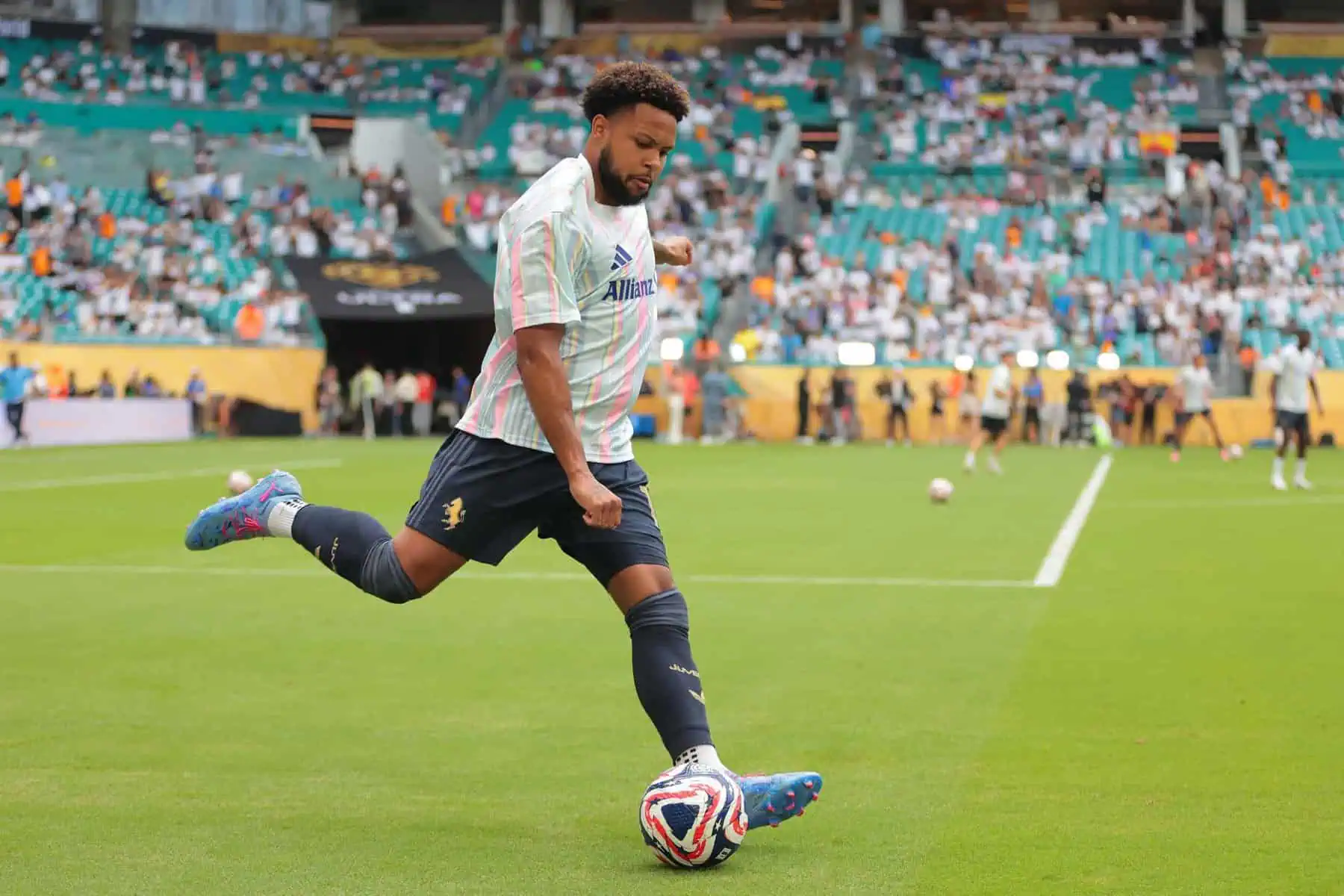
The most glaring omission? Weston McKennie, a player who’s been as reliable as death and taxes for the Stars and Stripes over the past seven years. You know, that same McKennie who’s been a cornerstone of the USMNT midfield since the dark days of missing the 2018 World Cup. But apparently, Pochettino thinks now, nine months before a home World Cup, is the perfect time to play roster roulette with one of America’s most experienced players.
Why McKennie Got the Cold Shoulder

Let’s dive into Pochettino’s explanation, which was about as clear as mud on a rainy day. The manager served up a buffet of contradictory reasoning that would make even the most patient journalist want to bang their head against a wall.
“We already know Weston, it’s not necessary to call him,” Pochettino declared with the confidence of someone who definitely hasn’t been watching McKennie’s career trajectory. The coach then pivoted to suggesting that the Juventus midfielder needed to stay in Turin to “fight for his place” and get “more settled in his club.”
Here’s where things get spicy: Pochettino mentioned his participation in the Club World Cup as a factor in his fatigue levels. Fair enough, right? Wrong. Tim Weah also played in that same tournament with Juventus, yet somehow managed to earn a call-up. Either Weah has discovered the fountain of youth, or Pochettino’s explanations are more inconsistent than a broken GPS.
The reality is that he has appeared in both of Juventus’ opening Serie A matches this season, albeit as a late substitute. Sure, he’s not starting, but since when did bench time at one of Europe’s biggest clubs disqualify you from representing your country? If that were the case, half of international football would cease to exist.
The Pochettino Pattern of Puzzling Picks
This isn’t McKennie’s first rodeo with Poch’s questionable decision-making. The midfielder has only played four times under the Argentine, starting both legs of a Nations League quarterfinal against Jamaica in November and featuring in defeats against Panama and Canada in March. Not exactly a resume that screams “I’m out of favor,” but apparently, four appearances constitute enough data for a comprehensive evaluation.
What makes this even more bewildering is Pochettino’s choice of replacement. Instead of calling up logical alternatives like Lyon’s Tanner Tessmann or Middlesbrough’s Aidan Morris, both players who are lighting it up with their respective clubs, he opted for Columbus Crew’s Sean Zawadzki. Now, Zawadzki might be a fine player, but he’s spent more time at center-back this season than in midfield. It’s like ordering a steak and getting served fish tacos—technically food, but not what you asked for.
The Domino Effect of Questionable Choices
McKennie wasn’t the only victim of Pochettino’s roster Russian roulette. Mark McKenzie, who’s been solid for Toulouse in Ligue 1, got the boot in favor of Vancouver’s Tristan Blackmon and 18-year-old Augsburg prospect Noahkai Banks. Don’t get me wrong, investing in youth is admirable, but there’s a difference between development and throwing darts at a board blindfolded.
The defensive reshuffling continues with Joe Scally, who’s been a consistent performer for Borussia Mönchengladbach, somehow not cutting. Meanwhile, players like Max Arfsten, Nathan Harriel, and Alex Freeman, who were fine during the Gold Cup but hardly world-beaters, retained their spots.
It’s almost as if Pochettino is conducting some sort of social experiment to see how many established players he can exclude before someone stages an intervention.
The Method Behind the Madness
To give Pochettino the benefit of the doubt (and trust me, that’s getting harder by the day), there might be some twisted logic to his approach. The manager has been vocal about wanting more “grit” and “fight” in the team, qualities that were notably absent during the disastrous Nations League campaign in March.
“No one has their place assured,” Pochettino warned, delivering his message with all the subtlety of a sledgehammer. “That is my message for everyone. They have to fight.”
Perhaps this is Pochettino’s version of tough love, a calculated attempt to light a fire under his established players by showing them that past performance doesn’t guarantee future selection. It worked to some extent during the Gold Cup, where a younger, hungrier squad showed more tenacity than their predecessors.
The High-Stakes Gamble
But here’s the rub: the World Cup is less than 10 months away, and every camp is precious real estate in terms of preparation time. Chemistry doesn’t develop overnight, and relationships on the pitch aren’t built through Xbox Live connections.
The USMNT has exactly four more opportunities before they convene for their pre-World Cup camp in May 2026. That’s four chances to figure out formations, partnerships, and the kind of tactical understanding that separates good teams from great ones. With roster selections this erratic, it’s hard to see how any meaningful cohesion can develop.
Pochettino’s approach feels less like calculated risk-taking and more like playing craps with America’s World Cup dreams. Sure, shaking things up can sometimes yield surprising results, but there’s a fine line between being unpredictable and being reckless.
Looking Forward: Time for Clarity
The upcoming friendlies against South Korea and Japan will provide some answers about Poch’s vision. Will his collection of surprise selections gel into something cohesive, or will we see the kind of disjointed performance that characterized the Nations League debacle?
For McKennie, this snub might serve as motivation to force his way back into both Juventus’ starting XI and Pochettino’s plans. The midfielder has never been one to back down from a challenge, and his track record suggests he’ll respond to this slight with improved performances.
As for Pochettino, he’s walking a tightrope between innovation and chaos. His “no one is safe” approach might ultimately benefit American soccer, but only if it’s backed up by results. Right now, it just looks like change for the sake of change—and that’s rarely a recipe for success at the highest level.
The clock is ticking toward 2026, and American fans deserve better than cryptic explanations and head-scratching roster decisions. It’s time for Pochettino to show that his method has substance behind the madness.