
Andre Onana Demands a New Deal and Ruben Amorim Lost Patience: Inside Manchester United’s Goalkeeper Meltdown

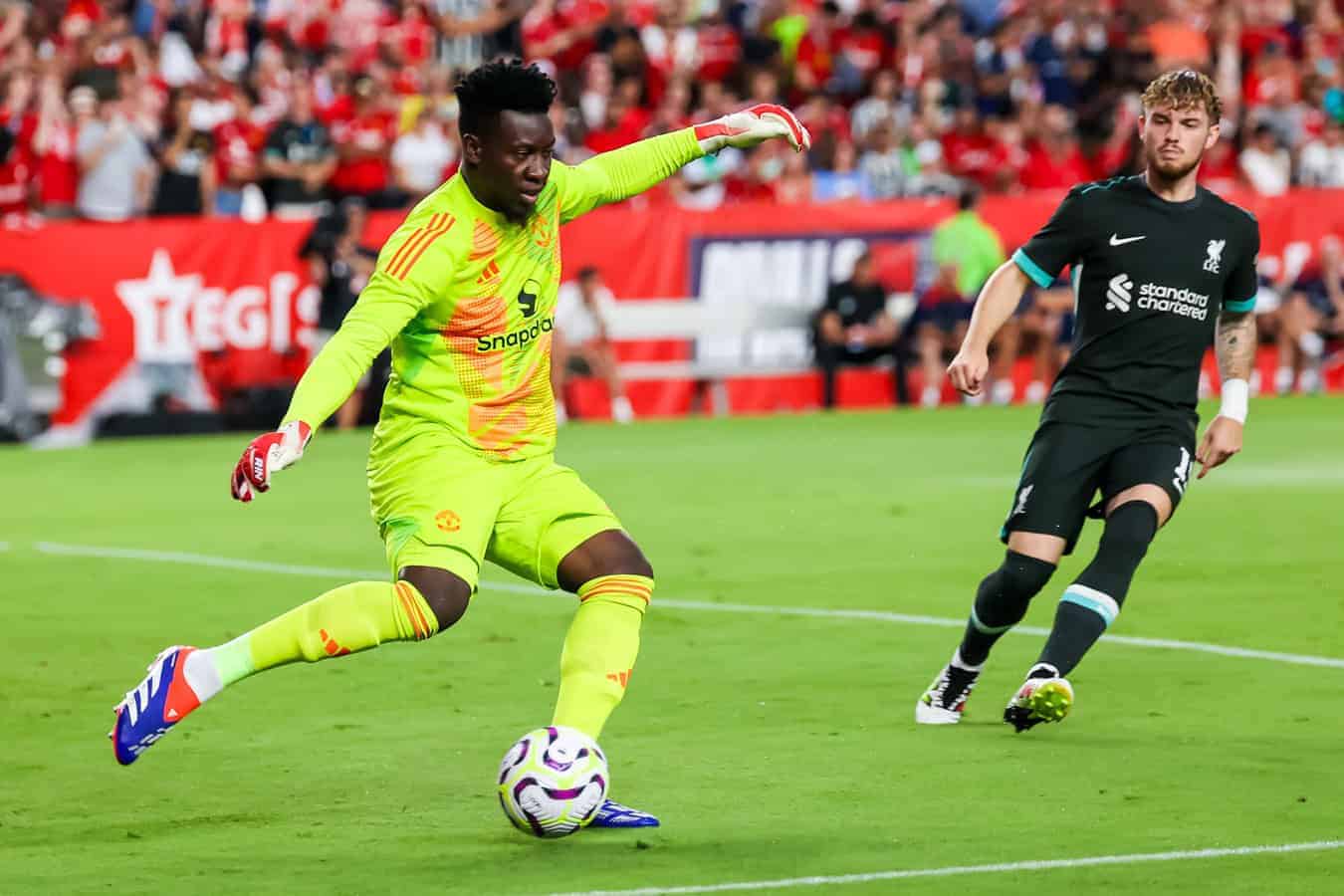
Manchester United’s return to the season felt like a soap opera rather than a pre-match calm. André Onana arriving at Carrington asking for a fresh contract, made an already tense goalkeeper situation combustible. Reports emerged this week that Onana wanted new terms after his pay was reduced following United’s missing out on Champions League revenue. That request reportedly did not land well with manager Rubén Amorim, who has been ruthless about standards during a chaotic summer.
What Actually Happened This Summer
Onana’s current spell at Old Trafford has been bumpy from the start. High-profile errors and inconsistent form cost him confidence and patience inside the club. Media outlets tracked a sequence of events that turned routine preseason chatter into full-blown headlines. Those reports say Onana arrived wanting a contract boost after facing a standard 25 per cent reduction in pay that kicked in across the squad because United failed to reach the Champions League.
That clause has been referenced in multiple financial and transfer discussions about the club this year and it explains why salary arguments have this level of urgency.
Preseason and the opening fixtures did not help. Manager Amorim has rotated goalkeepers and experimented with options, with Altay Bayindir starting key matches while Onana recovered from a hamstring issue. Both keepers showing inconsistency and errors just 3 games into the season emphasised how quickly United want to get in the market and address this situation.
The wider goalkeeper picture became urgent enough that United were linked with targets as a backup and potential replacement, with the club weighing short-term cover against long-term planning.
Manchester United contacted Royal Antwerp’s Senne Lammens as they looked to strengthen the group. They got their hands on their man just a few hours before the transfer window closed. This activity highlighted one simple reality: the club’s hierarchy saw goalkeeper stability as a pressing need.
Why the 25% Clause Matters More Than Fans Realise
Manchester United operates at a scale where Champions League qualification is not only prestige but a critical balance sheet item. Contracts that include large performance-related triggers or conditional pay scales are increasingly common at big clubs.
Reports from financial and industry journalism indicate that the club had prearranged mechanisms to reduce wage exposure when European revenue falls short.
This means players who had factored earnings on a Champions League assumption faced a sudden reality check at the start of the summer. Therefore, Onana’s reported stance about wanting new contract terms reads as a reaction to a structural shift in wages rather than simple greed. The optics of demanding a new deal while performances were under the microscope provided fuel for management frustration.
A player asking for improved terms after a reduction creates a tricky negotiation. The club must balance locker room unity, financial prudence, and message discipline. If a high-profile name presses for adjustments, that can ripple through dressing room expectations and future contract talks for younger players.
From the boardroom to the training ground, contract noise is disruptive when a team is mid-turnover and under pressure to get results. Onana’s request was poorly timed, given that the team was rebuilding under a manager who demands cohesion first.
Amorim’s Reaction And The Managerial Logic
Rubén Amorim is a manager known for clarity and a firm hand. He walked into one of world football’s most scrutinised jobs and immediately faced elevated expectations. That profile makes him sensitive to perceived entitlement and to any action that could fracture the dressing room. Reports indicate Amorim did not receive Onana’s contract demand kindly. Management instincts in that scenario typically favour maintaining authority and setting a precedent that no individual is above the collective.
Since then, the manager’s decision-making has suggested prioritizing reliability and group discipline over preserving a headline name at all costs.
On the pitch, the repercussions have been practical. Onana has been dropped from squads at times since last season to date after costly errors in European competition, and that sequence of mistakes gave Amorim ammunition to consider alternatives. The manager’s stated intentions around selection have emphasised form and what is best for the team rather than sentiment.
That stance led to Altay Bayindir starting Premier League games in the new season, and this eventually led to the club signing the 21-year-old Lammens. The Red Devils were also linked with Aston Villa’s Emi Martinez, as the World Cup winner agreed personal terms with the club. However, United opted for the 21-year-old instead.
So Where Does Onana Go From Here?

Onana’s reputation as a sweeper keeper with excellent distribution is not in doubt, and there are many managers who value his ball play and leadership traits. Those strengths have to be balanced against a record of high-impact errors and a credibility gap with supporters.
For Onana, the options are clear. He can rebuild trust by accepting management decisions, performing in training, and seizing opportunities when selected. Alternatively a transfer to a club that is willing to gamble on his peak potential may surface, with interest reportedly coming from different leagues, however, the interest could delay until winter as the summer transfer window had its last say on 1st of September.
Final Thoughts
This summer drama involving André Onana and Rubén Amorim reveals a club in transition where football decisions and financial architecture collide. The headline about a player asking for a fresh deal exposed deeper dynamics at Old Trafford, a place where reputation, revenues, and results are constantly negotiating for space.
Onana’s future will depend on how quickly he can restore confidence and whether the club opts for patient rehabilitation or a change of scenery. Both choices carry risk. The manager’s intolerance to anything that undermines the dressing room suggests one clear lesson, which is that at Manchester United, collective priorities currently trump individual bargaining.
