
Morocco Threatens FIFA Lawsuit Over Senegal’s AFCON Final Protest

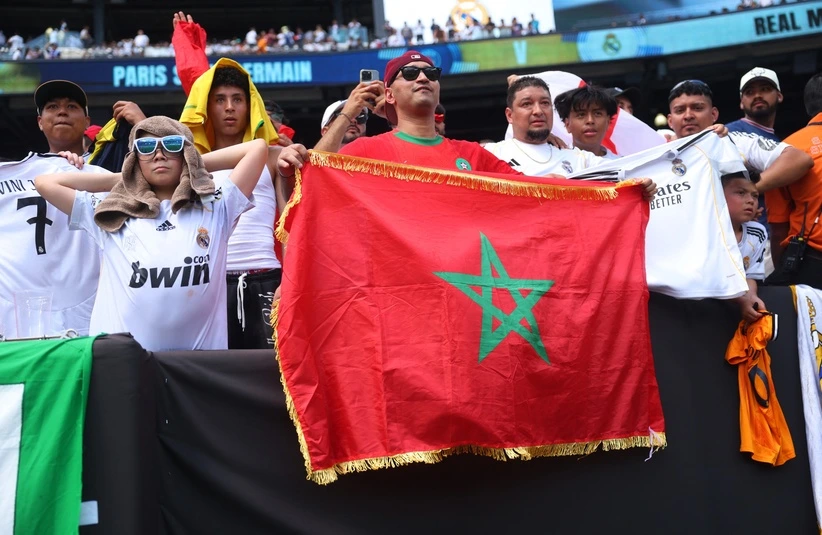
The Africa Cup of Nations final between Senegal and Morocco was supposed to be a celebration of continental football excellence. Instead it became one of the most contentious matches in African football history. Senegal lifted the trophy with a dramatic 1‑0 extra‑time victory over host nation Morocco.
That result may not be the last word. The Royal Moroccan Football Federation has announced intentions to pursue legal action with both the Confederation of African Football (CAF) and FIFA. They argued that Senegal’s mid‑match walk‑off had a “significant impact on the course of the match” and undermined the integrity of the final.
This episode has triggered heated debate throughout the football world. FIFA President Gianni Infantino publicly condemned the scenes, labeling them “unacceptable,” and CAF has launched disciplinary proceedings. With fans, pundits, and officials all weighing in, the ramifications of the final are likely to play out long after the final whistle in Rabat.
How The AFCON Final Descended Into Chaos
The match was finely poised when, late in normal time, referee Jean‑Jacques Ndala awarded Morocco a penalty after a VAR review ruled that Senegal’s El Hadji Malick Diouf had fouled Real Madrid’s Brahim Díaz in the box. Deep into stoppage time, this decision sparked outrage among the Senegalese players and coaching staff, who felt the award was unjust.
In a shocking moment, head coach Pape Thiaw instructed his players to leave the pitch in protest, leading to an extended halt in play. The disruption lasted around 15‑17 minutes, leaving the world’s audience bewildered and fans in the stadium unsure whether the match would resume. During this break, tensions continued to simmer both on the field and in the stands.
Eventually, influenced in part by Captain Sadio Mané’s pleas to return, the Senegal team came back to complete the match. Morocco’s Brahim Díaz stepped up for the penalty but mis‑executed a Panenka attempt that was comfortably saved by Senegal goalkeeper Edouard Mendy. Extra time followed, and Pape Gueye’s superb strike secured the title for Senegal.
Yet controversy lingered long after the result. Many within the Moroccan camp felt the interruption had sapped the momentum and focus of their side. They argued that the period of disruption directly influenced both the psychological state of the players and the ultimate outcome. It is this belief that has prompted the federation’s decision to pursue formal legal recourse.
What Morocco’s Legal Complaint Entails
The Royal Moroccan Football Federation’s statement made one thing clear: they feel Senegal’s actions were not just a protest but a breach of the spirit of fair play. According to the federation, Senegal’s departure from the pitch disrupted the normal rhythm of the game and materially affected the match outcome.
Their planned legal action will be addressed through CAF and FIFA’s established disciplinary and legal frameworks. Morocco intends to argue that the walk‑off violated principles of competition and conduct outlined in both bodies’ regulations. While CAF’s disciplinary code does allow for investigations and sanctions in cases of match disruption, the legal threshold for overturning results or imposing sanctions that alter competitive outcomes is extremely high.
Experts note that because Senegal returned and completed the match, CAF may classify the incident as misconduct rather than a refusal to play, potentially limiting the scope of punishments. The Moroccan federation’s complaint also underscores broader concerns about consistency in officiating and the interpretation of VAR decisions. They maintain that the penalty award was correctly decided but that Senegal’s extreme reaction unjustly skewed the competitive balance. This legal challenge could set a precedent in how football’s governing bodies handle protests and walk‑offs in the future.
FIFA And CAF’s Response
FIFA President Gianni Infantino entered the fray with unusually strong comments for an administrative leader. He condemned the Senegal team’s walk‑off and parts of the crowd unrest as “unacceptable,” calling for respect for match officials and the rules of the game.
Infantino emphasized that leaving the pitch in protest is antithetical to football’s core values and stressed that discipline must be upheld. CAF has also confirmed it will review footage and take appropriate action against those found responsible for unacceptable behavior.
Their approach appears to focus on individual and team conduct rather than challenging the final result itself. Early indications suggest fines, suspensions, or other disciplinary measures could be levied against players, coaching staff, and possibly match officials if negligence is found.
In addition to official bodies, notable figures from the footballing world have spoken out. Supporters of the game criticized the episode for setting a dangerous precedent, suggesting that if teams can disrupt high‑stakes matches without severe consequences, similar incidents could emerge elsewhere. Others argue that the emotional intensity of a major international final, particularly one marked by perceived officiating errors, makes this a unique situation.
Broader Implications For African And Global Football
The fallout from this final goes beyond legal filings and disciplinary hearings. For African football, the incident casts a spotlight on the continent’s officiating standards, VAR implementation, and crisis management protocols in marquee games.
Morocco coach Walid Regragui openly expressed concern that the chaotic climax damaged the global reputation of African football. It suggested that the spectacle overshadowed what had otherwise been a high‑quality tournament.
Fans and commentators worldwide have debated the legitimacy of Senegal’s protest. Some argue the walk‑off was a justified reaction to a perceived injustice, while others view it as a reckless act that tarnished the sport. Online discourse shows polarized views on whether the rules should be stricter about walk‑offs, and whether leaving the field should trigger automatic forfeiture or even heavier penalties.
This controversy also has implications for players involved. Senegal’s decision to resume play likely avoided the match being declared abandoned, which would have resulted in a Morocco victory and potentially other sanctions.
Key figures like former Liverpool and Chelsea players Sadio Mané and Edouard Mendy now find their heroic moments forever wrapped in debate. Meanwhile, Moroccan players such as Brahim Díaz must deal with the emotional aftermath of a rare high‑pressure penalty miss in a final overspill.
Conclusion
The 2025 Africa Cup of Nations final will be remembered as one of the most dramatic and controversial chapters in modern football.
Senegal’s walk‑off, Morocco’s legal challenge, and FIFA’s stern rebukes have all combined to create a narrative that could reshape discipline, officiating, and protest protocols in global football.
At its heart lies a philosophical question: when passion spills over into protest, where should the line be drawn between emotion and rule?
With legal proceedings now underway and CAF disciplinary actions pending, the football world will be watching closely as this saga unfolds.
