
Why Manchester United’s Financial Slide Is Real And How Liverpool Just Became England’s Richest Club

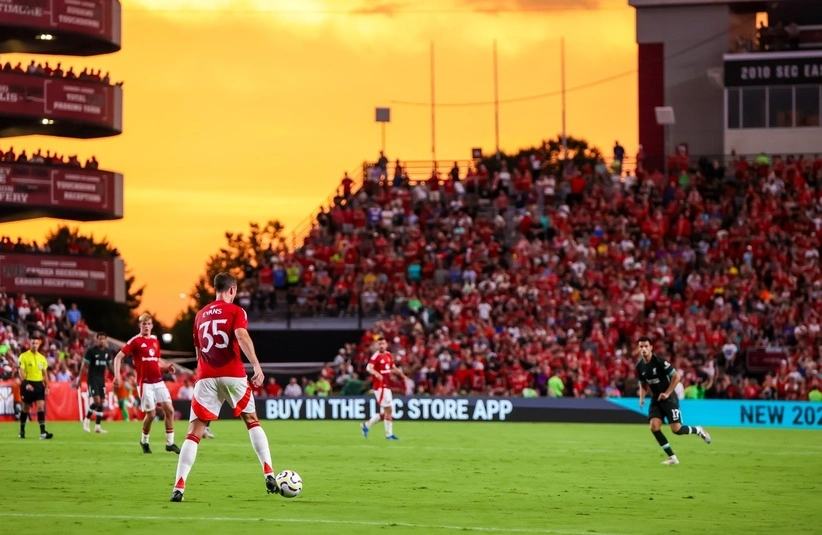
For years, Manchester United falling down the Deloitte Football Money League felt impossible. United were football’s commercial gold standard, the club everyone else chased financially even when results dipped on the pitch. That era is officially over.
The 2026 Deloitte Football Money League, covering revenues from the 2024/25 season, confirms a moment that would have sounded unthinkable not long ago. Manchester United have dropped to eighth place, their lowest position ever, while Liverpool have become the highest-earning English club for the first time in history.
Manchester City and Arsenal have also moved above United, pushing them further down a table they once dominated. This is not a one-season anomaly. It is the result of years of football decisions finally catching up with the balance sheet.
Liverpool’s Rise To The Summit Of English Football Revenue
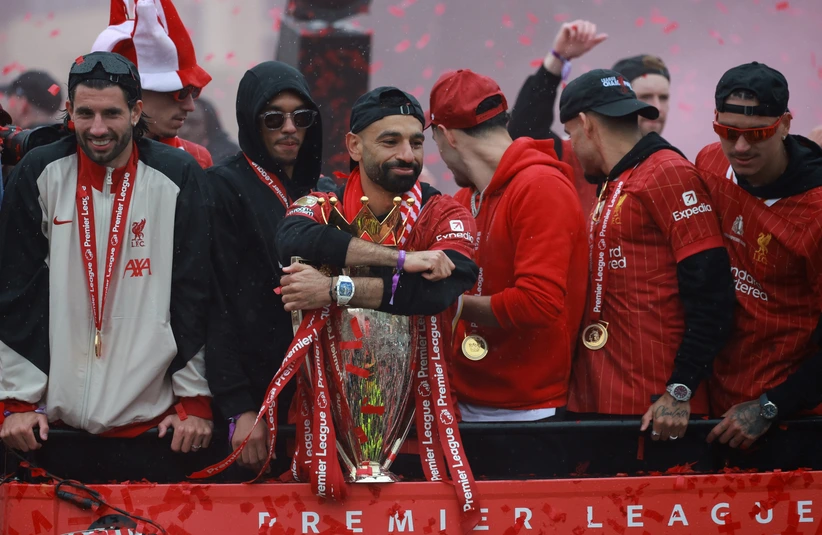
Liverpool topping the English revenue chart is not an accident and it did not happen overnight. The club recorded revenues of around €836.1 million, placing them fifth overall globally and ahead of every Premier League rival.
The foundation of that growth remains success on the pitch. Liverpool’s Premier League title win and Champions League qualification under Arne Slot in the 2024/25 season fed directly into broadcast income and commercial appeal. Champions League football still acts as a financial accelerant, and Liverpool extracted maximum value from it.
What separates Liverpool from many rivals is how carefully that success has been built around long-term planning rather than short bursts of spending. The club’s commercial strategy has evolved significantly over the past few seasons.
Anfield has become more than a football stadium, hosting concerts and large-scale events that drive non-matchday revenue. Matchday income has grown not just through ticket prices but through experience-driven upgrades that attract fans year-round.
Liverpool’s commercial partnerships have also matured. Instead of chasing volume, the club focused on global brand alignment, allowing sponsorship deals to grow in value alongside sporting success. The result is a revenue model that feels sustainable rather than inflated.
There is also symbolism in Liverpool overtaking Manchester United financially. For decades, United’s global reach dwarfed Liverpool’s despite fluctuating football fortunes. That gap has closed, and in some markets, Liverpool’s brand has become more culturally relevant to younger audiences. Financial dominance now reflects that reality.
The Startling Decline Of Manchester United’s Financial Fortunes
Manchester United once set the rules of football economics. They topped the Deloitte Money League 10 times, using commercial muscle to stay financially elite even when trophies slowed down. That cushion has finally disappeared. United generated around €793.1 million in revenue, leaving them eighth in the rankings.
The biggest hit came from broadcasting income, which dropped sharply following a disastrous domestic campaign. A 15th-place Premier League finish, combined with no Champions League football, stripped United of one of its most reliable revenue streams.
Broadcast revenue fell from roughly €258 million to €206 million, a gap that highlights just how expensive underperformance has become in the modern game. European absence hurts more than pride. It drains money quickly and quietly.
The domestic cup exists only to compound the damage. Fewer home fixtures meant fewer matchday opportunities, and Old Trafford’s famous gates could not make up the difference alone. Matchday revenue dropped as a result, something that would have been unthinkable during United’s peak years.
Commercially, United remain powerful, but momentum has stalled. Sponsors want exposure at the highest level, particularly in the Champions League. Global appeal still exists, but commercial partners increasingly value relevance and success over legacy alone. United’s brand strength has masked sporting decline for years. The Money League suggests that the shield is wearing thin.
How Other Premier League Clubs Are Surging Ahead
Manchester United’s fall looks even starker when viewed alongside domestic rivals. Manchester City and Arsenal now both earn more revenue than United, sitting sixth and seventh respectively. City’s position reflects consistency. Even in a season that did not reach previous peaks, their sustained presence in elite competitions keeps commercial and broadcast income high.
Arsenal’s rise is more revealing. A club that spent years rebuilding has used Champions League qualification, youth-driven narratives, and smart commercial alignment to push past United financially. Tottenham and Chelsea remain close behind, underlining how competitive the Premier League’s financial ecosystem has become.
United no longer operates in a league of its own off the pitch. Perhaps the most telling detail from this year’s rankings is that no English club appears in the global top four. Real Madrid leads with over €1.16 billion in revenue, followed by Barcelona, Bayern Munich, and Paris Saint-Germain.
European giants outside England are maximising stadium redevelopment, global tours, and international competitions such as the expanded Club World Cup. The Premier League remains wealthy, but dominance is no longer guaranteed.
What This Means For Manchester United’s Future
Manchester United’s Money League slide is not terminal, but it is a warning that cannot be ignored. Football success still drives everything. Regular Champions League qualification remains the single biggest lever for revenue growth.
Squad planning, recruitment efficiency, and long-term sporting identity now matter financially as much as competitively. Commercial innovation must also evolve. Liverpool’s ability to turn Anfield into a year-round destination shows how clubs can expand income without overburdening fans.
United’s infrastructure offers similar potential if modernised with intent rather than nostalgia. Brand power alone no longer guarantees financial leadership. United’s global following remains vast, but relevance must be renewed continuously through results, connection, and credibility on the pitch.
For supporters, this moment feels uncomfortable because it removes a long-held safety net. United were supposed to be financially untouchable. That myth has finally been broken. Liverpool’s rise reflects a club that aligned football, business, and identity. United’s decline reflects years of misalignment finally surfacing in cold numbers. The Money League does not lie. Revenues follow relevance, and relevance follows results. Manchester United can climb again, but only if reinvention replaces reputation.
